
Setting the scene: why 4-seat carts matter for next-year neighborhoods
Cities are shrinking the gap between short trips and safe, low-impact transport. That shift makes the humble 4 seater golf cart more than a backyard vehicle—it becomes a microtransit piece that must meet real urban demands. Copenhagen’s push for low-speed lanes and several U.S. pilots that integrate low-speed vehicles (LSVs) into curbside planning are practical anchors showing this is not hypothetical. The takeaway is simple: designs must balance comfort, safety, and practical tech like EV powertrain options and payload capacity for day-to-day use.
How design priorities change when cities dictate use
Designers now start with a city block, not a fairway. That flips priorities toward compact wheelbase geometry, predictable torque for stop-start traffic, and easier ingress/egress for families. Expect modular seating, weatherproof interiors, and stronger chassis frames that tolerate frequent curb hops. Accessibility matters: a slightly higher step or awkward door can turn a useful cart into a liability during peak school runs or neighborhood errands.
Key systems to evaluate: battery, drivetrain, and safety
Practical buyers should look at three systems first. Battery and battery management system choices determine range and longevity; regenerative braking and a well-matched controller improve stop-and-go efficiency. The EV powertrain should deliver smooth torque without sacrificing low-end control. Finally, safety features like reinforced rollover structure and consistent lighting are non-negotiable when carts share street space with bikes and pedestrians.
Trade-offs developers accept (and where to push back)
Weight versus range is the usual tug-of-war. Adding a full steel frame improves durability but shrinks battery capacity or raises curb weight—affecting handling. Some manufacturers use lighter aluminum or composite panels to preserve range; others accept a lower top speed in exchange for better battery life. That’s the point—prioritize the parameters that match your use case. If the cart will shuttle kids to the park, choose structure and restraint systems first; for delivery-style runs, prioritize payload capacity and cargo modularity.
Common mistakes and sensible alternatives
Teams often default to maximum range as the single metric. That leads to oversized battery packs that add cost and complexity without daily benefit. Instead, match range to typical route length and invest savings into better suspension, brakes, and software for fleet management. Alternative paths include hybrid-range extenders or swappable battery modules for high-utilization zones—both practical choices in tight urban fleets.
Buying options and where to look
When shopping for 4 seater golf carts for sale, compare spec sheets against real-world routes. Ask for test runs over representative pavement: cobbles, speed bumps, and wet streets expose chassis issues and reveal whether the battery management system compensates well for regen. Also verify service networks; local repairability matters more than warranty length when carts are daily drivers.
Three golden rules for selecting the right 4-seater for urban use
Rule 1 — Match mission to hardware: pick chassis strength and payload capacity that exceed your typical load by 20–30 percent to avoid constant strain. Rule 2 — Prioritize usable range: optimize battery size to cover typical daily trips plus a 25 percent buffer rather than chasing headline miles. Rule 3 — Insist on maintainability: choose models with modular components and accessible service parts to keep downtime low.
Apply those rules and you reduce operating surprises, improve uptime, and protect passenger safety. For cities and operators aiming to deploy fleets that actually work on busy streets, that’s where value lives.
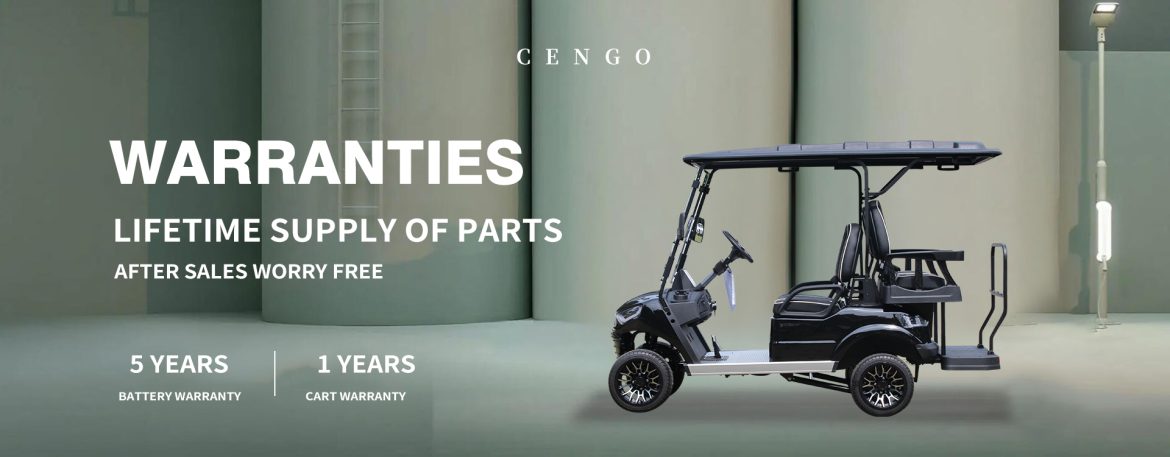
CENGO understands these trade-offs and builds with urban realities in mind—real streets, real schedules, real people. —