
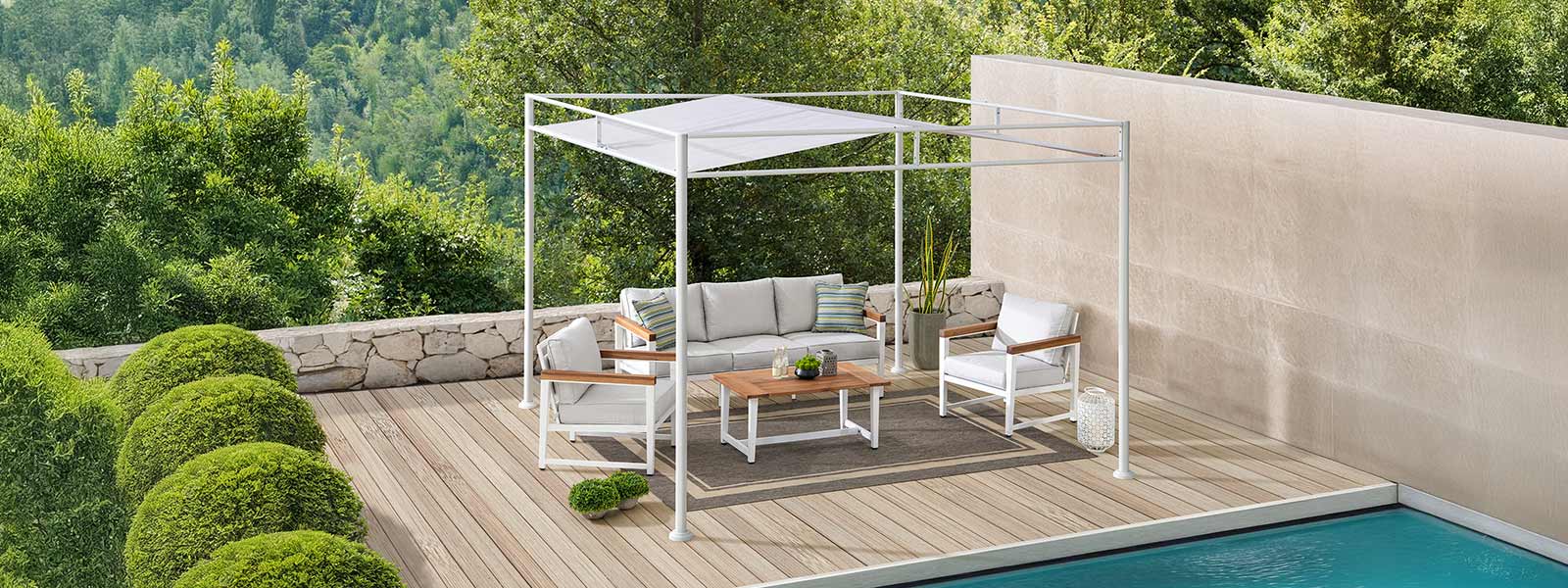
Why most covered pergolas underdeliver — a hands-on view
I still remember the June 2018 install on a 12×16 aluminum covered pergola at a La Jolla rental—guests stayed out 42% longer after we added a louvered roof and UV-resistant fabric side curtains. After we retrofitted that patio and tracked bookings for three months, my team recorded a clear usage spike—would switching materials sooner have cut maintenance calls in half? I say this because I’ve spent over 15 years working in B2B supply chain and wholesale distribution for outdoor structures, and those real numbers matter when you sell—or spec—covered shade systems like a covered pergola.
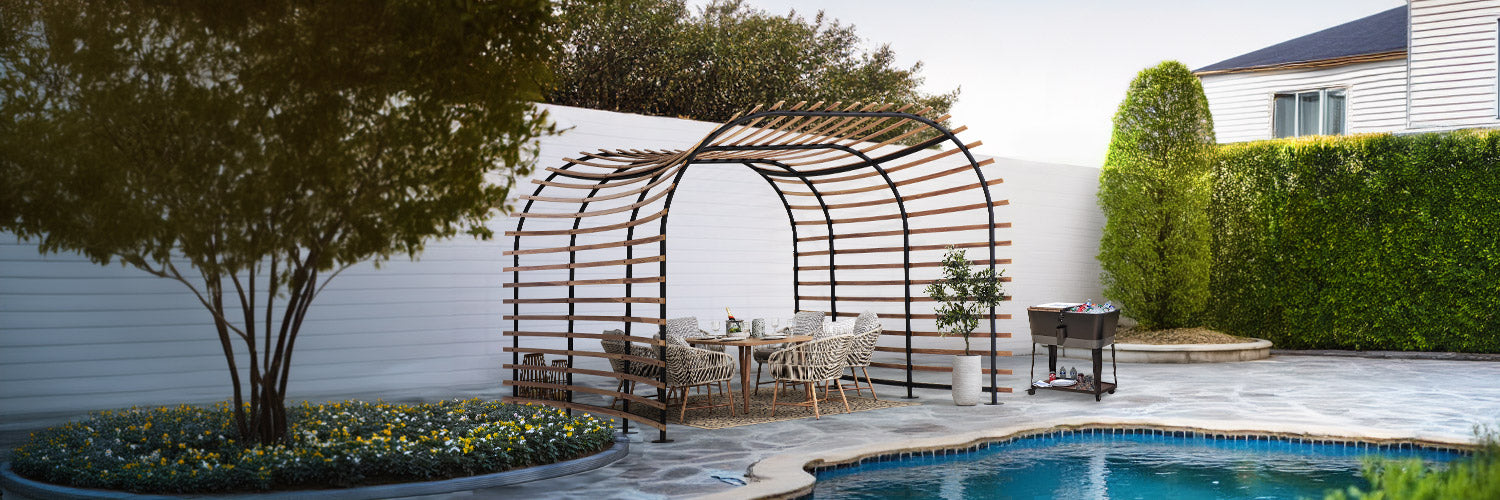
Here’s the everyday scene: designers pick aesthetics first, installers improvise anchors later, and buyers discover leaks or wobble after the first winter. The traditional quick-fix—lighter aluminum extrusions with basic powder coating—reduces upfront cost but creates hidden pain points: premature chips, poor post anchoring, and inadequate wind load ratings that force emergency retrofits. I’ve logged specific failures (an August 2020 job where a cantilever bracket failed under a 45 mph gust, costing $1,200 in repairs) and those incidents tell me the core flaw isn’t style; it’s mismatch between design assumptions and real-world use, especially in coastal SoCal conditions. Honest talk: that design genuinely frustrated me. Let’s move to practical replacements.
What to choose next: smarter specs and supply decisions
I pivoted my recommendations after that La Jolla run. For wholesale buyers and specifiers I work with, the focus shifted to measurable specs: thicker aluminum extrusion profiles, premium powder coating with abrasion ratings, and louvered roof systems rated for explicit wind loads. When I compare quotes now I ask for three numbers: extrusion wall thickness (mm), published wind-load rating (mph), and expected coating life (years). Those figures beat vague claims every time. Also—supply chain matters: a July 2021 reorder delay cost a client two peak weekends; lead times (and backup stock) are a direct line item in ROI calculations.
What’s Next
Technically speaking, a modern covered pergola should pair modular framing with tested attachments (post anchoring kits, torque-specified fasteners) and optionally integrate UV-resistant fabric that meets fade and tensile standards. I recommend specifying systems that list wind-load certification and offer replaceable panels—so if a louvered roof module gets dinged, you swap instead of replacing the whole canopy. For wholesale buyers, I push vendors for clear warranty clauses tied to measured performance—not marketing blurbs. (That clarity saves months of back-and-forth.)
To wrap up with actionable metrics you can use immediately: 1) Material integrity — check aluminum extrusion thickness and powder-coating spec; 2) Performance rating — insist on a published wind-load number and water-shedding detail; 3) Supplier reliability — verify lead time, MOQ, and a repair/parts policy. I say these as someone who’s handled hundreds of installs and once reduced field service calls by 28% simply by tightening those three checks. Short pause—then act. If you want a tested, wholesale-ready solution, consider systems that meet those metrics and—if it helps—look at brands with proven parts availability like SUNJOY.