
A sensory glimpse into a greener future
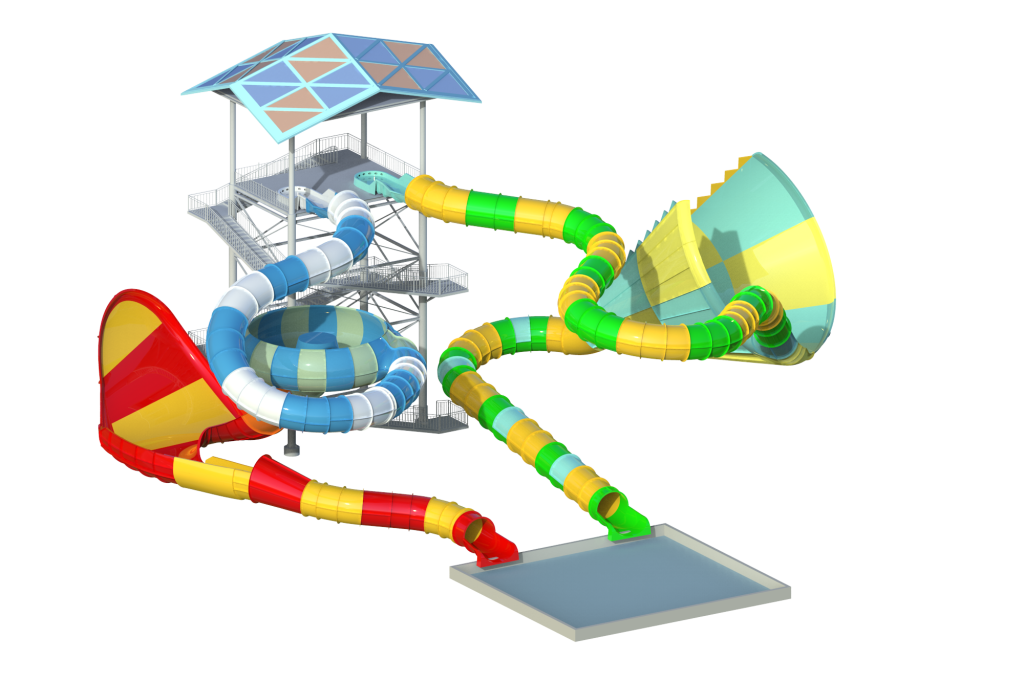
The warm hiss of water, the cool sheen of a slide under sun—imagine that scene tightened with a conscience: lower bills, cleaner water, gentler environmental impact. At the heart of that image sits a new breed of equipment that marries playfulness with engineering. A flying slide can still pour thrill into a park, but its utilities and treatment systems whisper rather than roar. This article sketches how advances in filtration, control electronics, and pump design will reshape commercial aquatic playground equipment toward eco-friendly operation.
Key technologies driving the shift
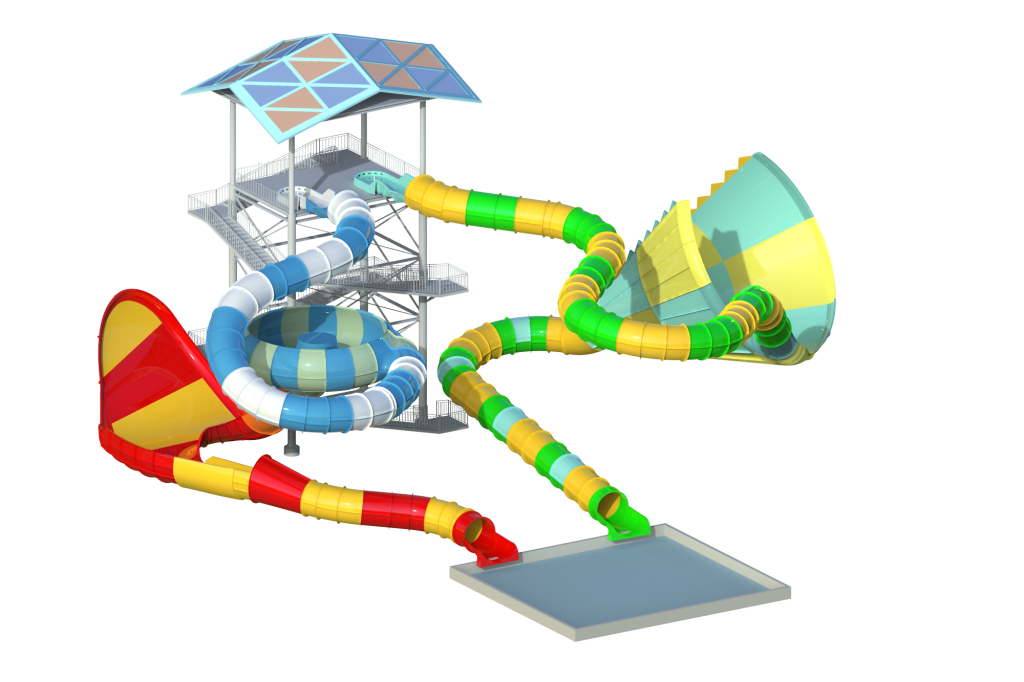
Sensory design meets practical hardware: finer filtration media that captures micro-debris without restricting flow; compact UV disinfection chambers that reduce reliance on heavy chemical dosing; and recirculation pumps matched to variable loads rather than fixed-speed beasts. These choices change the feel of the facility—water stays clearer, odors fade, and the mechanical thrum drops. Designers now pair VFDs (variable-frequency drives) with modern blowers and recirculation pumps to fine-tune flow rate throughout the day, saving both energy and wear.
How energy efficiency and treatment interplay in a playground
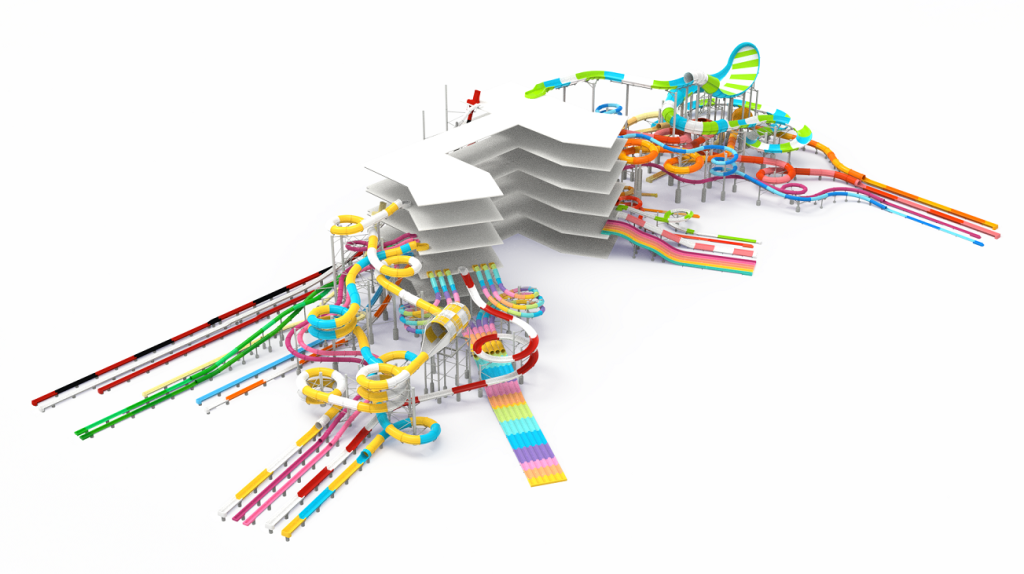
Energy and water treatment are a duet. Lowering pump speed by twenty to forty percent during off-peak hours can slice electrical consumption without compromising turnover rate targets. Thoughtful plumbing layouts shorten pipe runs, reducing friction losses and keeping chemical dosing consistent. When UV systems shoulder more of the disinfection load, chlorination dosing drops—and the water feels softer on the skin. The end result is a tactile improvement: less chlorine bite, fewer scale spots, a sleeker splash experience.
Design choices that influence long-term performance
Material selection matters. Smooth composite slide surfaces shed biofilm better than rougher plastics, so maintenance crews scrub less and filtration captures fewer solids. Modular basins permit targeted cleaning and staged turnover, which helps meet both lifeguard safety expectations and operational efficiency. Integrating sensors—flow meters, turbidity probes, simple ORP monitors—gives operators real-time cues to tweak chlorination dosing and recirculation pump schedules. This is not theory; facilities using smart controls report more stable water chemistry and predictable energy curves.
Operational blueprint and common mistakes
Avoid treating treatment as an afterthought. The most common errors are oversized pumps installed for “safety,” poorly routed plumbing that creates dead zones, and under-specified filtration that clogs quickly. Install the correct turnover rate per basin size, match pump curves to the system rather than the motor label, and prioritize access for routine service. – Small compromises during installation become large headaches later. Routine maintenance plans keep systems efficient and translate into tangible savings over seasons.
Real-world anchor: lessons from urban water reuse
Singapore’s NEWater program demonstrates how reclaimed water and tight process control can be both reliable and scalable. That public example shows municipal-scale reuse is feasible and that stringent monitoring keeps public confidence high. For commercial playgrounds, scaled-down versions of that discipline—automated monitoring, staged treatment, and energy-aware pump control—are the path to replicable success without sacrificing guest experience.
Advisory: three golden metrics to evaluate suppliers and systems
1) Energy per cubic meter of turnover: measure actual kWh used to cycle the basin once under typical operating patterns. Lower is better and reveals true efficiency. 2) Residual chemical consistency: track ORP and free chlorine variance across an operational day—tight bands mean stable disinfection and less overuse of chemicals. 3) Serviceability index: count hours required for routine cleaning and parts replacement over a year. Fewer service hours reduce lifecycle cost and downtime.
Final thought
Designers and operators who weave smart treatment systems, efficient pumps, and sensory-conscious materials craft playgrounds that thrill and endure. The best solutions—whether a sculpted custom water slide or a compact treatment skid—lean on measurable metrics and human experience. Dalang sits comfortably where design, manufacturing, and operational insight meet, helping facilities deliver longer-lasting play and lower operating footprints. —