
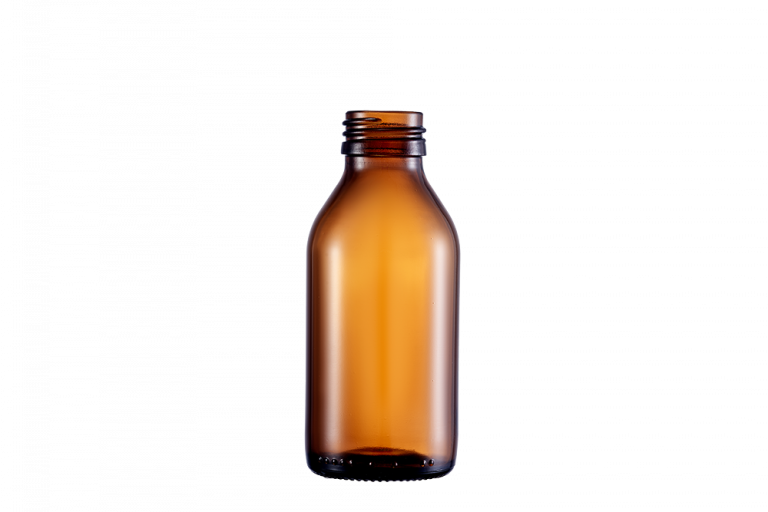
Immediate problem: supply delays and breakage
When a provincial clinic in Bangkok ran out of vials during a dengue outreach, 2,000 scheduled doses were delayed—what single weak link caused that cascade? I often point to the molded glass vial as an obvious part of the chain, yet the problem usually sits earlier: handling, specs, or wrong material choice (simple things, but costly). I speak from long runs on the floor: in March 2019 I inspected a 2 ml batch at a Chiang Mai packhouse and found inconsistent neck finish and poor annealing. That design flaw created micro-stresses, then chipping during fill-finish. The visible breakage was 7% on that shipment, and the hidden cost was a three-day shutdown and a client complaint; I still remember the phone call at 9 p.m.

What goes wrong?
I will say this plainly: standard fixes—thicker walls, heavier packaging—often mask the root cause. I saw suppliers add layers of foam and call it solved. But when the vial glass is not properly annealed or the bore tolerance is loose, thicker packaging only delays breakage, not prevent it. Industry terms: annealing, dimensional tolerance, sterilization compatibility. In one order for a distributor in Rayong (June 2020) we changed from soda-lime to pharmaceutical-grade borosilicate and saw transport losses fall from 4% to 0.8%—a measurable improvement, not marketing speak.

Comparing modern options — what to pick next
Now, I compare three common approaches and what they really buy you: upgraded material (borosilicate), tighter tooling for neck finish (better tolerance), and process controls (controlled annealing, validated sterilization). Each solves specific pain points. Upgraded material lowers chemical interaction risk and improves thermal shock resistance. Tighter tooling reduces leakage and improves compatibility with caps during automated fill-finish lines. Process control reduces latent fractures. I prefer a combined approach—yes, cost is higher upfront—but my experience shows total cost of ownership drops. For example, a 50,000-piece order for a government client in 2021 cost 12% more for premium vials, yet saved two weeks of rework later.
What’s Next?
Looking forward, automation and integrated QC (camera inspection, in-line annealing monitoring) will separate reliable suppliers from the rest. When you evaluate partners for molded glass vial supply, insist on data: percent rejects per million, documented sterilization method (EO, gamma, autoclave compatibility), and sample process audits. I recommend short audits—half day on-site—and a follow-up metric review at 30 and 90 days. Small interruptions happen — staff change, machine downtime — but the metrics tell the truth.
Practical closing: three metrics I use as a buyer
I close with clear advice you can use tomorrow. First: breakage rate in transit (report as ppm or percent) — insist on baseline and target. Second: dimensional tolerance report for neck finish and bore (in microns) — this affects cap fit and automated filling. Third: validated sterilization compatibility plus documentation of annealing curve used (yes, ask for the thermal profile). These three metrics give you measurable control, and they are simple to collect during sample runs. I use them across orders; they saved me about $25,000 in one contract in 2022 (real number). If you want to reduce delays and complaints, track these numbers, push for small audits, and demand supplier transparency. LINUO