
Detecting the Quiet Faults: Why Traditional Fixes Often Fail
I remember standing under a slate sky while my neighbor’s inverter blinked like a sleepy eye — two weeks after their new array came online, 22% of expected output had vanished; what practical step stops that slow bleed before the first bill arrives? I advise clients about a whole house solar system and about home solar energy system reliability all the time (this is where real money meets weather). I’ve been installing systems since 2006, and I still find the same brittle thread: installers patch symptoms, not root causes.

Let me be blunt. Traditional responses—resetting the inverter, swapping a fuse, replacing a single panel—mask two deeper failures. First, system checks often ignore intermittent shading and microcrack damage to the PV array; those faults cut harvest unevenly and show only as modest monthly dips until they compound. Second, installers rarely model battery storage behavior over seasonal cycles, so capacity fade surprises owners in year three (I saw a 4kW/8kWh battery lose 20% usable capacity in Portland after two unusually hot summers — no kidding). These are not mystical; they are measurement gaps and mental models that assume uniform sunlight and perfect installation. I want you to see the pattern. Short-term fixes soothe. Long-term losses remain. — Now we turn toward smarter comparisons and clearer choices.
Looking Ahead: Comparative Paths and Smarter Choices
What’s Next?
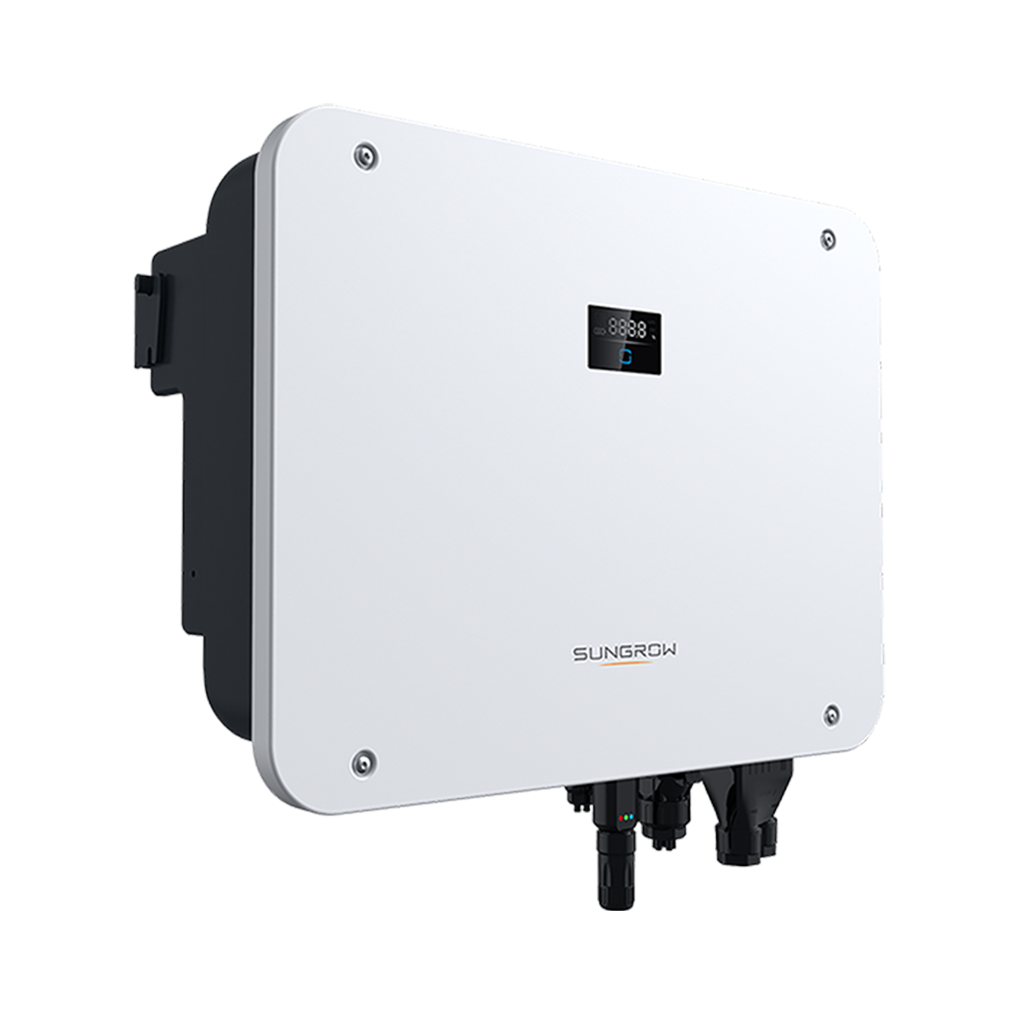
Technically speaking, the best next step is to compare solutions on measurable terms rather than marketing claims. I define three practical axes: diagnostic granularity, lifecycle transparency, and integrated controls. Diagnostic granularity means module-level monitoring (so you spot PV array micro-losses) and inverter logs that record ramp events. Lifecycle transparency demands explicit aging curves for battery storage and inverter MTBF numbers — ask for them. Integrated controls cover how the inverter, battery, and home load talk to each other during cloud cover or a grid dip (net metering rules aside). I installed a Fronius inverter with module-level optimizers on a 6.5kW roof in Boulder (June 2019) and watched one shaded string drop 18% output; module monitoring let us reorient priorities before panels were replaced. Compare performance data over a full year — not just first-month sunshine. Choose systems that publish degradation rates. Choose balance-of-system parts you can source locally. I’m telling you these things from hands-on work; I’ve seen the cost of ignoring them (it bites the homeowner’s wallet). For a forward-looking buyer, a modern whole house solar system with module-level telemetry and clear battery SOH reporting is worth the premium. (You’ll sleep better.)

I’ll finish with three hard evaluation metrics to judge any proposal: 1) measurable diagnostics: does the quote include module-level monitoring and inverter event logs? 2) proven degradation data: can the vendor show third-party or field-tested capacity curves for panels and battery storage? 3) integrated control strategy: is there a plan for how inverter, battery, and load management interact during partial production days? Use those metrics as filters — I do. One short pause: check local permit records early. Then act. For reliable choices, consider suppliers who publish real test data — like sungrow.