

Opening reflection and a practical memory
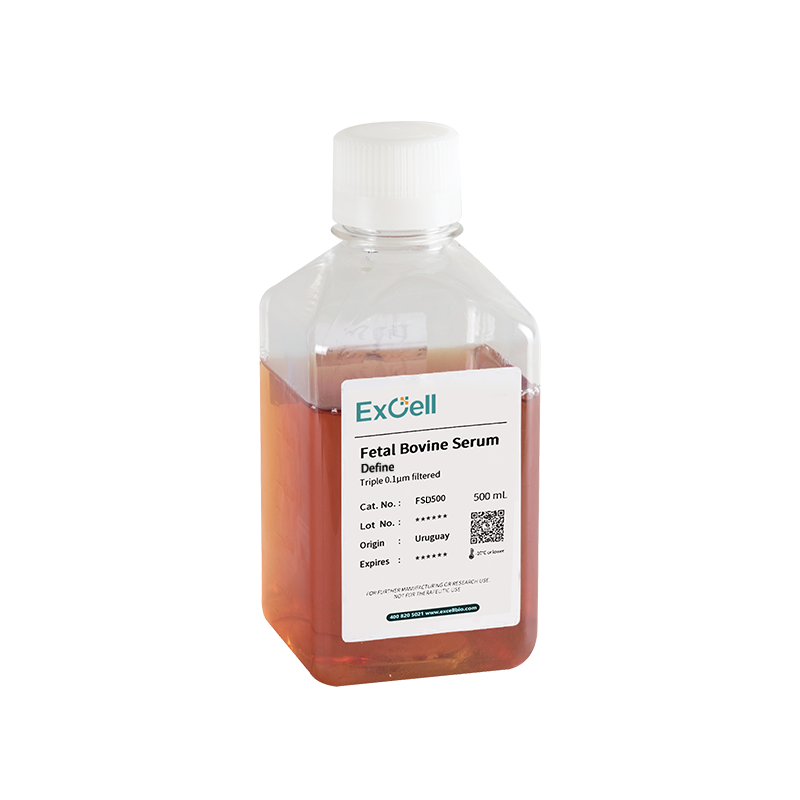
I still recall a rainy Thursday in Osaka when a delayed shipment forced us to scramble—those mornings teach you more than conferences. I am a B2B supply chain consultant with over 15 years’ hands-on experience, and I have handled large consignments of newborn calf serum for research labs and contract manufacturers. In many labs, fetal bovine serum sits at the heart of cell culture workflows, yet the differences between lots and sources quietly break experiments. I want to be frank: variability in serum lot quality, endotoxin spikes, and inconsistent growth factors are the troublemakers we must face (and fix). This brief note will lead directly into practical steps — please follow along.
Why do labs keep repeating the same pitfalls?
From my direct work with manufacturers in Kyoto and distribution teams in Singapore (March 2018 was a turning point for one client), I learned three specific flaws in common practices: 1) overreliance on single-supplier pricing, 2) weak batch-level QC for mycoplasma and endotoxin, and 3) poor traceability of herd origin tied to serum lot. I saw a 500 L lot returned in July 2019 after unexpected cell-line sensitivity to a serum lot—costly, avoidable. Those failures are not mysterious; they are process failures in supply chain control and QC sampling. We need clear lot qualification, routine mycoplasma testing, and transparent certificates of analysis for each serum lot. That is the layer most vendors do not discuss openly.
Technical shift — what a more robust approach looks like
Now, shifting gears to practical architecture: treat newborn calf serum procurement like a modular system. Define acceptance criteria for serum lot performance (growth rate metrics, protein adsorption behavior), run parallel validation across two certified lots, and maintain cold-chain documentation for each pallet. In one contract with a Tokyo cell therapy center (January 2020), we instituted lot bridging: three test runs, two-week culture assays, and a simple growth-factor profile comparison. The result: a 27% drop in failed runs over six months. Use routine endotoxin screening and mycoplasma testing; do not skip stability checks after thaw cycles. — odd, isn’t it? Simple steps yield clear gains.
What’s next for procurement and lab teams?
Compare suppliers by lot consistency and by demonstrated QC practices. Insist on detailed COAs, ask for historical lot performance data, and demand traceability to herd and collection date. We prioritized suppliers who provided ambient-temperature logs and independent endotoxin assay results—those metrics separated reliable partners from the rest. Also, consider small-scale bridging purchases: buy two adjacent lots and run a short 14-day growth assay before committing to bulk orders. This approach reduces downstream waste and stabilizes experiment timelines.
Closing advice — three evaluation metrics and final thoughts
In closing, I offer three concrete metrics I use with wholesale buyers when choosing serum supplies: 1) Lot variance index — percentage change in cell doubling time across three consecutive lots (target <10%), 2) QC transparency score — presence of COA, endotoxin, mycoplasma, and sterility tests (all present = high), and 3) Cold-chain integrity rate — on-time deliveries with validated temperature logs (aim for ≥98%). These are measurable, actionable, and will save time and money. I have seen a mid-size supplier in Nagoya improve their cold-chain processes after we tracked these numbers for a quarter—results were clear.
I prefer partners who treat QC as documentation, not marketing. We should demand accountability, and we must test small before scaling. The science behind fetal bovine serum and newborn calf serum is biological, yes, but the solution to variability is logistical as much as technical. Thank you for reading — I welcome questions and case specifics, and I recommend starting with a modest bridging lot the next time you face uncertainty. — a small step, large impact.