
Introduction: Keys, Codes, and the City Doorway Problem
You’re juggling takeout on the stoop, bag handles cutting into your fingers, and the door decides to play stubborn. Classic. A lot of folks now ask for the best smart locks for home, because the old brass key story keeps wasting time and patience. Recent reports show double-digit growth in smart entry, and more homes are moving to app access, PINs, and biometrics. But numbers don’t tell you how it feels at 11 p.m. when your phone’s dead and the buzzer’s broken—yeah, we’ve all been there (no cap). Here’s the question: what should you measure to know if a lock is actually worth it, day to day, not just on a spec sheet?
Think reliability over hype. Think security that stays tough even if Wi‑Fi dips. And think about how it plays with your routine across seasons, guests, and surprise deliveries. We’re about to compare what matters—and what’s just noise. Let’s get into it.

Part 2: Hidden Frictions at the Front Door
What breaks down in daily use?
The front door is where tech meets weather, rush, and real life. Many shoppers search for the best smart lock for front door and end up with a device that shines in demos but drags in real use. Look, it’s simpler than you think: friction hides in small moments. Auto-lock waits too long; then it locks too fast. A BLE stack drops for a second and your phone handshake fails. A fingerprint sensor balks at cold fingers. The deadbolt actuator meets a slightly warped door and loses torque—funny how that works, right?
The traditional patch is “just use Wi‑Fi,” but that brings battery drain and latency. Plus, a noisy network can delay commands at the worst time. User pain points pile up: confusing guest codes, clunky housings that pinch your grip, and OTA firmware updates that run while you’re trying to leave for work. Security isn’t just AES‑256 encryption on paper; it’s also how credentials are stored when offline, and whether fallback modes are actually usable. What you want is smooth door alignment, strong motor control, and a battery management system that doesn’t quit in a cold snap. Different rhythm, same truth—daily reliability beats flashy features every time.
Part 3: Comparative Insight—What’s Next and What to Weigh
What’s Next
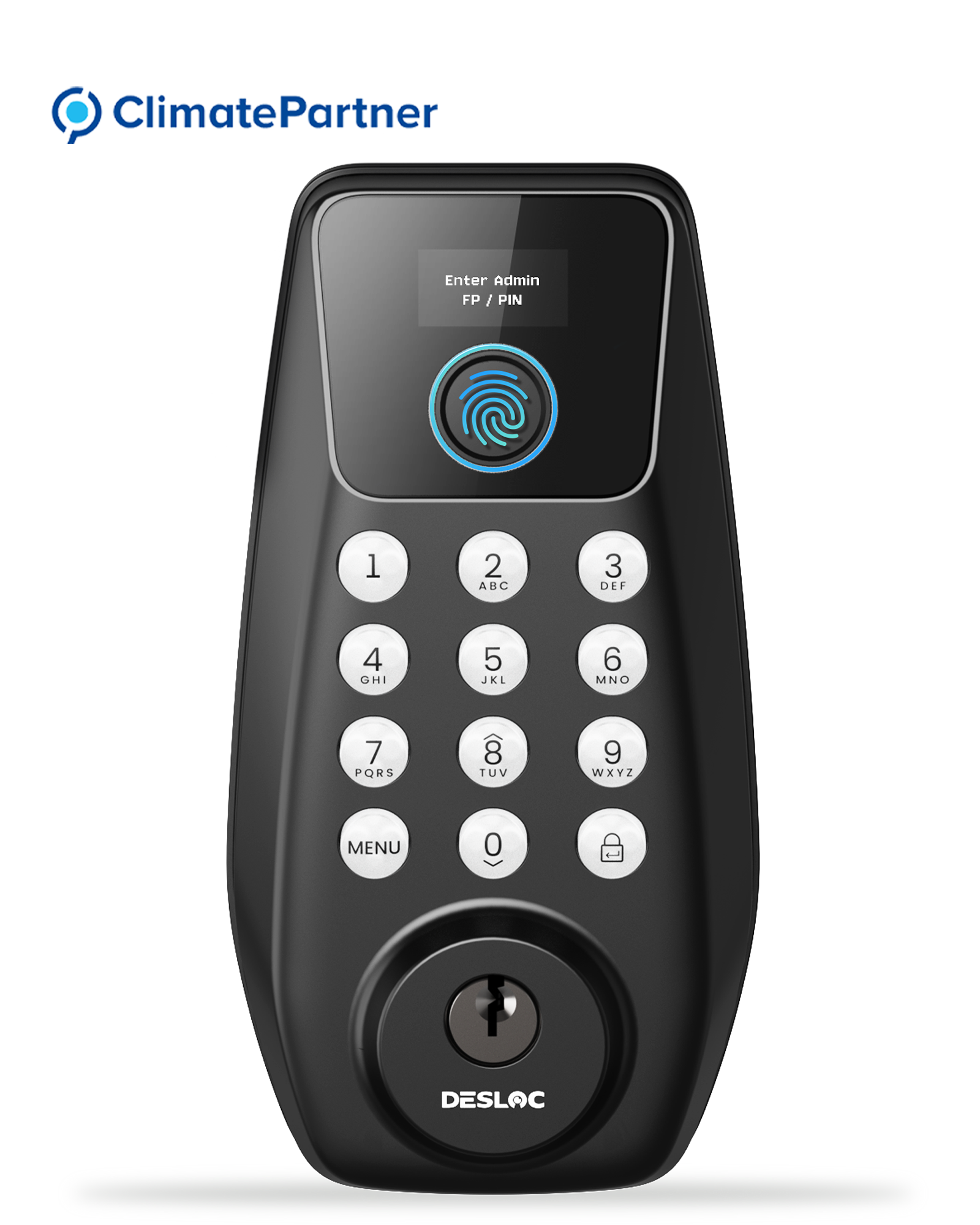
Forward-looking smart entry moves from single gadgets to tight systems—door, lock, app, and home network in sync. New technology principles aim to cut lag and failure points: local processing acts like tiny edge computing nodes inside the lock, keeping access fast even when the router hiccups. Thread/Matter mesh reduces Wi‑Fi drama, while modern power converters and smarter sleep states stretch battery life. Integrated designs, like a best smart door lock with handle, solve a basic snag: two separate parts (latch plus add‑on) can misalign under daily use. One coordinated handle-lock unit reduces play, improves ergonomics, and keeps the actuator’s torque in the sweet spot—less strain, more consistency.
Compared to older “bolt-on” kits, these newer systems prioritize repeatable performance over novelty. Think sealed housings with better IP ratings, stable firmware with predictable OTA windows, and credential flows that work offline without weakening security. From Part 2, we learned that micro-frictions—not big failures—ruin trust. This next wave targets those frictions with mesh reliability, smarter motor control, and simpler guest access (codes that expire by schedule, not by luck). Different vibe, same goal: doors that open when you need them and lock tight when you don’t—no shade, just facts. Here’s a quick way to choose well: 1) Reliability under chaos: test for misaligned doors, low batteries, and offline unlock modes; 2) Security model: look for strong encryption, local credential protection, and clear audit logs; 3) Lifecycle support: proven OTA cadence, parts availability, and integration with standards you actually use. That’s the backbone of value you can measure and feel. For a grounded place to start, check the engineering forward brands doing this right, like DESLOC.