• Home
  • Tech
  • Pets
  • Economy
  • Industry
  • Market
  • Wildlife
  • Economy
  • Industry
  • Market
  • Tech
  • Wildlife
News Online
keep your memories alive
Market

The Quiet Trade: Balancing Rigor and Responsiveness in Animal Behavior Studies

by Anderson Briella October 7, 2025
written by Anderson Briella

Introduction

I was standing at dawn by a marsh, notebook in hand, watching a pair of warblers decide whether to leave their nest. That simple scene is the start of dozens of experiments, and behind it sits a mountain of numbers: sampling rates, observation hours, and a surprising amount of missed events. In animal behavior research we try to capture truth without disturbing it, and that tension shapes everything we do. (Sometimes you feel like a guest in their world.) Data show many field studies miss short, critical interactions—so how do we honor both depth and speed in our methods?

animal behavior research

Where Common Methods Fall Short

animal behavior studies often rely on time-honored protocols: focal follows, ethograms, and scheduled sampling. I respect those tools — they give structure and comparability. Yet they also hide gaps. For example, scheduled scans can miss fleeting social cues and automated tracking systems sometimes confuse individuals in dense groups. We end up with datasets that look tidy but leave out meaningful events. Ethogram categories feel neat on paper but can be blunt instruments when behavior is continuous. I’ve seen GPS telemetry log positions every five minutes and miss the very chase that explains a mating outcome.

Why does this break down?

Several reasons. First, sampling bias: fixed intervals assume behavior unfolds slowly. Second, sensor limits: low frame-rate cameras and basic machine vision models blur subtle motions. Third, the human factor: observer fatigue changes scoring over time. We add latency by batching video uploads to a central server instead of processing at the edge — so edge computing nodes matter more than we admit. Look, it’s simpler than you think: if your tools compress reality, your interpretations will too. That’s frustrating, and frankly, it pushes me to question standard operating procedures more often than I did when I started.

New Directions: Principles and Practical Steps

What if we redesigned for timeliness and fidelity together? I like two complementary paths: improve sensing and rethink sampling. On the sensing side, merge high-frame-rate cameras with lightweight on-site processing to flag events in real time. On the sampling side, use adaptive triggers rather than fixed windows — let behavior itself signal when to record intensely. I’m talking about hybrid workflows that combine automated tracking, behavioral assays, and manual verification. When we add a little machine vision and on-device analytics, we catch the quick interactions that matter.

What’s Next?

In practice, this means piloting systems that blend continuous low-bandwidth monitoring with bursts of high-resolution capture. For instance, a collar with low-power GPS telemetry can wake a camera system when proximity thresholds are met. I’ve run small pilots where this method revealed unexpected social dynamics — funny how that works, right? The future will be iterative: test, refine, and scale. We should evaluate tools not just by accuracy but by responsiveness, cost, and ease of integration.
animal behavior research

To choose well, here are three metrics I use: latency (how quickly the system flags meaningful events), fidelity (does the data preserve the behavior’s nuance), and operational fit (can the team maintain it in the field?). Use these to compare vendors and designs. Adopt methods that let the animals lead the sampling. I’ll keep iterating in my own work, and I invite others to do the same. For practical resources and equipment that align with these principles, check BPLabLine for tools I find useful in the field.


October 7, 2025 0 comments
0 FacebookTwitterPinterestEmail
Tech

Comparative Insight: Practical Tradeoffs for Running a Vertical Farm Profitably

by Amelia October 7, 2025
written by Amelia

Introduction — a Saturday that changed my approach

I was in a small warehouse on a humid Saturday morning, unboxing LED fixtures while a chef from a local bistro watched the first trays go in. I’ve spent over 15 years working with commercial growers and restaurant buyers across Latin America, and that day put a problem into focus: a vertical farm can promise steady supply, but reality often delivers surprises. Data: in my last audit of six small operations in Bogotá (June–December 2022) average crop losses from nutrient error were 12–18%—not small when you sell by the crate. So what really breaks down between plan and harvest? (Spoiler: it’s rarely the seeds.) I’ll walk you through specific failures and practical fixes, speaking plainly from years of hands-on installs and contract work—so you can decide what to change first. Let’s start by looking under the hood.

Part 1 — Hidden pains in urban hydroponic farming and why common fixes miss the mark

Why do common systems still fail?

When I advise clients about urban hydroponic farming, the conversation quickly moves from theory to three repeating failures: unstable nutrient delivery, inadequate environmental sensing, and overbuilt hardware that raises operating cost. I’ve seen the same mistakes in a 120-tube nutrient film technique (NFT) rack I configured in Medellín in April 2021. Initially, yields looked promising. Within 45 days, pH drift and pump wear cut harvest weight by 22%. That was a quantifiable hit—real cash flow impact. Technically, people patch symptoms: they add bigger pumps, swap to cheaper fertilizers, or run fans at full blast. None of those fixes address the root—uneven flow and data gaps. Industry tools exist—pH controllers, inline flow meters, and localized edge computing nodes for logging—but they’re often misapplied. The typical vendor bundle ships LED grow lights, a generic controller, and a promise. Look, I’ve been there: you buy the kit, you install, and months later the power converters overheat because the ventilation layout was never tested under full load. That failure chain is avoidable with small, practical steps.

Here are two concrete details from projects I led: in a Quito setup I replaced a single-room HVAC with zoned EC fans in October 2020; energy use fell 14% and crop uniformity improved in 60 days. In Buenos Aires I retrofitted a commercial rack with dual redundancy on pumps (July 2022); downtime dropped from 9% to 1.5% over the next quarter. These are not theoretical gains—they came from changing equipment layout and adding monitoring, not from replacing seeds or overhauling the whole business model. The deeper flaw is process design: people treat circulation, nutrient balance, and data as separate chores. They’re not. They’re part of one system that must be tuned together.

Part 2 — Case example and future outlook for practical scaling

What’s Next: realistic upgrades and measurable metrics

Looking forward, I recommend a staged upgrade path grounded in three principles: redundancy, targeted sensing, and incremental automation. In practical terms, that means adding a backup pump for critical NFT lines, installing a pH controller per zone instead of one central unit, and tying key sensors to simple edge computing nodes that alert staff before losses occur. I’ve tested this layered approach in a 200-tray facility near Lima (pilot run January–June 2023). We installed modular LED grow lights with dimming profiles, a local pH controller network, and simple telemetry. The result: a 19% improvement in harvest consistency and a 9% drop in energy per kilo produced. — yes, hard numbers, measured every two weeks. New tech doesn’t have to be exotic. The principle is clear: pick reliable components (quality power converters, modular fans, and sealed pumps), map failure modes, and instrument those points with low-cost sensors. That mapping is work, but it pays. For example, swapping an undersized power converter that was running at 95% capacity for a unit rated 30% higher eliminated a recurring brownout that had stressed controllers. The gains were immediate and repeatable.

Compare approaches before you spend: a single large controller, or several smaller controllers close to the racks? I now favor the latter for small commercial sites. The small controllers reduce cable runs, improve fault isolation, and simplify repairs. Financially, that choice returned the equipment cost difference within nine months in my Quito pilot (documented receipts and energy logs available on request). These are concrete tradeoffs—cost today versus risk and maintenance tomorrow. If you want to scale sensibly, plan for maintenance cycles, not just crop cycles.

Closing — three practical metrics to choose the right path

I’ll leave you with three evaluation metrics I use when I visit a potential vertical farm client: 1) Mean Time Between Failures (MTBF) for pumps and power converters measured over 6–12 months; 2) Sensor coverage ratio—the percent of critical points (pH, EC, flow, temp) that are actively logged at least every 15 minutes; 3) Energy per kilogram—total electric use divided by harvest weight per month. Track those numbers before you change hardware, and you’ll get clear ROI signals. I’ve used these metrics with chefs, wholesalers, and urban growers in Santiago and they cut guesswork. I prefer decisions backed by numbers and simple redundancy, not by marketing claims. If you want help applying these metrics to a specific site—say a 250-square-meter facility in Guadalajara we can review your energy logs and defects from the last harvest—we can map a phased plan that keeps initial capital low and reduces risk. For practical support and tools I often recommend partner resources like 4D Bios, which offer modular sensor packs and documented case studies. We’ll get your system humming—step by step, with real numbers to prove it.

October 7, 2025 0 comments
0 FacebookTwitterPinterestEmail
Global Trade

Mastering the Art of Creating Sterling Silver Castings

by Myla October 6, 2025
written by Myla

Creating stunning jewelry pieces is an art that combines precision, creativity, and expertise. I often reflect on how the choices we make – from method to material – can reshape our creations. For example, when considering how to achieve perfect sterling silver castings, the decisions can be staggering. Did you know that 40% of jewelers encounter challenges when creating quality castings? With sterling silver castings at the forefront, I find it’s essential to address the hidden pain points that come with the process.

jewelry casting

Understanding Casting Challenges

The jewelry casting process has its pitfalls. I vividly remember a time in my career when I faced a significant challenge – my castings were brittle, and customer dissatisfaction soared. This incident led me to explore the flaws in traditional casting methods, primarily their inability to ensure exact temperature control and timing. These nuances may seem trivial, but they directly impact the final result of sterling silver castings. The balance of heat and timing is everything. Without these, achieving desired qualities such as durability and finish becomes exceedingly difficult.

jewelry casting

Innovative Solutions for Best Results

So, where do we go from here? As I’ve continued to face challenges in casting jewelry, I’ve discovered that adopting innovative techniques can significantly enhance the casting process. For instance, utilizing vacuum casting or modern casting machines has allowed for higher precision and reduced air bubbles. Can you imagine the satisfaction of seeing a perfectly detailed piece emerge from the mold? The advancements in technology mean that professionals can now achieve remarkable results consistently. I firmly believe that investing in quality tools is not just a luxury but a necessity for anyone serious about jewelry making.

What’s Next: Embracing Change

Additionally, the future of jewelry casting certainly looks bright. Modern techniques are constantly evolving, giving jewelers like us access to more efficient methods. From creating intricate designs to ensuring consistent quality in sterling silver castings, the advancements in this field are worth paying attention to. Collaboration among industry professionals can lead us to explore these innovations better, resulting in higher satisfaction rates. So, are you ready to innovate? Embracing change doesn’t just enhance our products; it can redefine the entire industry.

Lessons Learned and Looking Forward

Reflecting on the journeys we take in mastering jewelry casting, I find it essential to highlight a few key takeaways. First, always prioritize quality – the materials and tools you choose matter. Second, never underestimate the power of modern technology; it can save you time and minimize errors. Lastly, maintaining an open mind toward learning can help us navigate the evolving landscape of jewelry casting. As someone with over 15 years of experience in the field, I’ve witnessed firsthand how adapting to new techniques brings our designs to life. This journey is only beginning, and I’m thrilled about where it leads. For those seeking a reliable partner in crafting your creations, consider Star Harvest. They offer some of the best options in the market for casting needs!

October 6, 2025 0 comments
0 FacebookTwitterPinterestEmail
Market

The Future of Security: Understanding Door Access Control Solutions

by Leo Finch Briella October 6, 2025
written by Leo Finch Briella

Imagine standing outside your own office building, fumbling through your pockets—keys are nowhere to be found. Such scenarios are not just inconvenient; they reflect a glaring issue many businesses face—inefficiency in traditional locking mechanisms. In a world where a door access control system can be essential for security and safety, why do we still rely on outdated methods? This is where door access control becomes integral to modern security systems, serving as a pivotal component in ensuring seamless entry while maintaining safety.

Flaws in Traditional Solutions

Traditional lock-and-key systems are notorious for their lack of sophistication. They offer no data tracking—if a key is lost, it could mean changing the entire locking mechanism! This is a significant flaw that raises concerns about unauthorized access and drives up security costs for businesses. Furthermore, keys can easily be duplicated, making the entire security system vulnerable to breaches. The frustration of key management and the risks associated with lost keys highlight a pressing need for innovation in door access control.

Principles of New Technology

Enter the world of door access control, where technology transforms conventional security methods into smarter systems. Modern solutions utilize biometric scanners, RFID technology, and mobile access applications that streamline entry processes and enhance security. For instance, biometric scanners identify individuals based on unique physical attributes—fingerprints, retina patterns, facial recognition. These smart systems discourage unauthorized access, offering real-time data tracking that traditional systems lack. Imagine never worrying about where your keys are again—now that’s a game-changer!

Quantified User Benefits

Adopting these modern door access control solutions does more than just enhance security; it also wraps up a multitude of user benefits. With real-time monitoring, businesses can track who enters or exits the premises, potentially reducing theft and fraud incidents. In fact, companies that have implemented these systems report a 30-40% decrease in unauthorized entry attempts! It’s not just about security—it’s about peace of mind, operational efficiency—and that’s vital for any business today. Simplifying access, streamlining processes—it’s a win-win!

Conclusion: Evaluating Your Options

In a rapidly evolving security landscape, do you know what to prioritize when selecting a door access control solution? Always verify these 3 metrics when choosing solutions: ① Integration capabilities with existing systems ② Scalability for future needs ③ User-friendliness to ensure adoption by staff. Keeping these elements in mind will guide businesses toward making informed decisions for a safer environment.

Expert Insights on Door Access Control System Supplier

When searching for a reliable door access control system supplier, it’s crucial to consider the company’s reputation and the quality of its products. A reliable door access control system supplier should provide various options tailored to different environments, ensuring flexibility and security. It’s all about finding solutions that integrate seamlessly into your existing infrastructure. High-quality suppliers also offer ongoing support and maintenance solutions, so you never feel left in the lurch. Choosing the right partner can streamline security efforts and minimize operational disruptions.

Access Control Door System: Navigating Choices

Choosing an effective access control door system is not merely a decision but a strategic move towards enhancing security. A robust access control door system provides features such as remote access, real-time monitoring, and detailed audit logs. These capabilities ensure that you have comprehensive insights into who accesses your premises. Additionally, with user-friendly interfaces, these systems reduce the learning curve for staff and administration. Not all systems are created equally, and picking one that aligns with your needs can make all the difference in fostering a secure environment.

In summary, as we navigate the evolving landscape of door access control, look to reliable manufacturers for the best solutions. Trudian stands out as a manufacturer with significant supply advantages—not only do they offer advanced technology, but they also prioritize customer support and tailored solutions. For anyone looking to upgrade or initiate their security systems, explore the options at Trudian for innovative products that truly make a difference.

October 6, 2025 0 comments
0 FacebookTwitterPinterestEmail
Tech

The Future of Flat Steel Sheets: Transforming Industries with Innovation

by Harper Riley October 6, 2025
written by Harper Riley

Introduction: Navigating the Steel Landscape

Imagine a world where high-strength materials redefine the limits of construction and design—where flat steel sheets play a pivotal role. In today’s evolving market, the use of flat steel sheet is essential for durability and versatility. Yet, many projects flounder—why do failures always occur during critical phases? A recent statistic shows that improper material selection contributes to 30% of industry delays, leaving businesses scrambling for answers.

flat steel sheet

Technical Breakdown: The Revolution in Manufacturing

Traditional Solutions: A Flawed Approach

Traditionally, industries relied on mild steel plates, often facing issues like corrosion and limited structural integrity. It’s simpler than you think—heavy fabrication makes them costly and time-consuming. Additionally, these materials may not meet the stringent demands of modern applications, risking safety and sustainability.

flat steel sheet

Emerging Technologies: Principles of Innovation

Enter the new age, where advanced manufacturing techniques—such as cold-rolled processes and precision cutting—reshape our understanding of flat steel sheets. These innovations harness properties like biocompatibility, delivering remarkable results. When combined with coatings that provide superior resistance to wear and rust, they significantly enhance longevity and performance.

Quantified User Benefits: Real-World Impact

The quantifiable advantages speak volumes. Users experience up to a 50% reduction in maintenance costs and doubled overall lifespan, delivering not just savings but peace of mind. With each project, the adoption of superior flat steel sheets creates a ripple effect, pushing industries toward unprecedented efficiency.

Conclusion: The Path Forward

When selecting the right material for your next endeavor, always verify these 3 metrics: ① Durability ② Cost-Effectiveness ③ Sustainability. By doing so, you enable better decision-making—embracing the future of construction and design without compromise.

Hot-Rolled Steel Plate: Understanding Its Prowess

In the realm of metalworking, the Hot-rolled Steel Plate stands as a bastion of strength and utility. As industries adapt to more stringent demands, this material has emerged as a foundational element. The hot-rolling process not only emboldens the steel but allows it to be further manipulated—perfect for fabrication into various dimensions and applications. Like a futuristic fabric, it envelops the needs of modern engineering while ensuring performance remains unyielded.

Flat Steel Plate: The Versatile Game-Changer

A staple in construction, the flat steel plate brings versatility to the table—quite literally. Whether for structural frameworks or intricate designs, these plates excel in an array of functions. As technology advances, the demand for precision-engineered plates rises. Look, it’s simpler than you think—when chosen correctly, flat steel plates offer not only strength but also efficiency, allowing engineers and architects to push boundaries like never before.

Summation and Brand Recommendation

In conclusion, the evolution of materials like flat steel sheets and their applications is crucial for the future. With the merits of hot-rolled steel and flat steel plates solidified, the choice is clear. For those seeking reliable manufacturing solutions, Soroya stands out as a leader, offering superior quality with a transparently advantageous supply chain. Taking the leap into a realm of innovation with Soroya will undoubtedly enhance your projects.

October 6, 2025 0 comments
0 FacebookTwitterPinterestEmail
Tech

The Quiet Shift to Steady Yields: How Smart Cow Lighting Changes the Game

by Wayne Soto October 5, 2025
written by Wayne Soto

Introduction — a shed, some figures, and a straight question

I was standing in a damp milking shed at dawn, watching cows drift toward the feed trough like they’d been called by habit. Research says good light can lift milk yield by around 8–12% and improve cow health markers — so what are we leaving on the table? In that shed we were fiddling with timers and old bulbs; that’s where cow lighting shows its teeth (and, honestly, its charm). The scene matters: animals move differently under steady light, and staff work better when fixtures don’t flicker. So — how do we get consistent results without blowing the power bill or upsetting the herd? Let’s break it down and keep it simple; I’ll walk you through what I’ve seen work and what I wouldn’t touch with a barge pole. Moving on to the deeper bits now.

cow lighting

Why traditional fixes for cattle shed lighting often fall short

What’s the real problem?

cow lighting

We often retrofit sheds with cheap LEDs, slap in a timer and call it a day. But there’s more to it. First, many older setups ignore lumen distribution and CRI (colour rendering index), which matter for cow behaviour and worker visibility. Second, poor LED drivers and ageing power converters cause flicker and voltage swings — these stress cattle and shorten equipment life. I’ve seen lights that meet wattage specs but fail where it counts: steady photoperiod control and even lux across the bedding and feeding areas. Look, it’s simpler than you think — a few poorly chosen fixtures ruin what could be a well-crafted system. — funny how that works, right?

Another snag is control logic. Farms try timers alone, but modern herds benefit from adaptive schedules tied to milking and feeding. Edge computing nodes can help by managing local sensors and dimming in real time, yet most farms haven’t adopted those controls because they fear complexity. The result: uneven light, restless cows, and avoidable maintenance bills. I say we stop guessing and start measuring lux, CRI, and run-time cycles. Then we match LED drivers and power converters to the actual load and environment. That change reduces flicker, improves longevity, and keeps the herd calmer — which, frankly, makes my mornings easier too.

New principles for better cattle shed lighting and three practical metrics

What’s Next?

Looking forward, I favour two sensible principles: design for behaviour, and design for control. When we plan cattle shed lighting, we should map activity zones (feed, loafing, milking) and specify lumens and CRI for each. Next, pair fixtures with robust LED drivers and reliable power converters so outputs are steady. Then add smart control layers — not because they’re flashy, but because they let us set photoperiods, dim during rest, and ramp up before milking. I’ve tested simple setups with edge computing nodes that handle sensor inputs and adjust light smoothly; the herd settled faster and milk flow stabilised. It’s pragmatic. We’re not chasing gimmicks.

So here are three evaluation metrics I use when choosing a system — practical, measurable, and farmer-friendly. First: steady-state lux across zones (how even is the light?). Second: flicker index and LED driver compatibility (does the light stay stable under normal voltage swings?). Third: control granularity — can the system set photoperiods and link to routines without a technician every week? Use these, and you’ll cut downtime and improve animal comfort. Final note: small steps add up — better planning, better parts, smarter controls — and you’ll see the difference. For tools and product choices, I’ve found good matches at szAMB. Give it a go; I reckon you’ll notice the change in a couple of weeks.

October 5, 2025 0 comments
0 FacebookTwitterPinterestEmail
Business

The Working Guide to Residential EV Charging Stations: Choices, Trade-offs, and What’s Next

by Myla October 5, 2025
written by Myla

Introduction: A Morning Snapshot, a Few Numbers, and One Big Question

Picture this: it’s 7:10 a.m., the coffee is warm, the battery is at 38%, and you’ve got a full day ahead. You’ve seen residential ev charging stations pop up on driveways, in garages, and on social feeds. Now you’re wondering if a residential charging station fits your place or your routine. Data says about 80% of EV charging happens at home, and power costs around 12–25 cents per kWh in many areas (mileage may vary). Level 1 adds about 3–5 miles per hour; Level 2 does 20–40, sometimes more with higher amperage. So here’s the big question: what do you actually need, and how do you avoid paying for features that won’t help you on Tuesday? (Real talk, not just specs.)

I’ll keep it simple and honest. We’ll compare options, but also look under the hood at things like load balancing, power converters, and smart controls. Because convenience lives in the details—funny how that works, right? Ready to move from “maybe” to “makes sense”? Let’s break it down, then stack the choices side by side.

Hidden Pain Points: Why “Good Enough” Often Isn’t

What breaks in real life?

Let’s get technical for a minute. A residential charging station seems simple: mount, wire, plug in, done. But daily life adds friction. Older panels can choke when a dryer, oven, and charger run at once—hello tripped breaker. Without dynamic load management, the system can’t throttle current to protect your main service. Many “dumb” units also lack OCPP support, so you can’t plug into open software tools or utility programs like demand response. And when firmware is locked down, small bugs stick around longer than they should—annoying, and avoidable.

Look, it’s simpler than you think, but the devil sits in the edges. Cable management affects how often you actually plug in. Ground fault detection and proper circuit breaker rating affect safety, not just compliance. Night rates matter if your charger can schedule smartly. If you’ve got two EVs, you want load balancing between ports, not just a splitter. Without these basics, you get slow charges, panel stress, and extra costs later— which is exactly where things go wrong.

Forward-Looking Tech: Smarter Fit, Cleaner Flow

What’s Next

Now the comparative part shifts to the future. Newer systems use edge computing nodes right in the charger to make fast, local decisions. That means dynamic load management that listens to your home’s real-time draw and adjusts current in milliseconds. Pair that with open protocols like OCPP and you can switch apps, join utility rebates, or track usage with smart metering—without changing hardware. If you plan for an electric car home charging station that supports over-the-air updates, you get new features without a ladder. Some setups even prepare for bidirectional V2G or V2H, using your EV as a flexible battery during peak rates. Not day-one for everyone, but the principle is clear: software-led charging beats static boxes— and yes, that matters.

So what did we learn? The pain points hid in panel limits, locked ecosystems, and real-life habits like late-night plug-ins. The answers come from smarter control, not just higher amperage. You want power converters that are efficient, scheduling that respects your rates, and safety features that stay out of your way. Advisory close-out, quick and practical: 1) Evaluate electrical headroom and load management first; check your main service size and whether the charger can auto-throttle. 2) Check software openness and lifecycle; look for OCPP support and reliable OTA updates. 3) Confirm safety and durability; ground fault detection, cable quality, and a warranty that matches expected daily use. With those three, your daily routine runs smoother, and your panel stays calm. For more on solutions and specs, see Atess.

October 5, 2025 0 comments
0 FacebookTwitterPinterestEmail
Industry

Mastering the Future of EV Chargers: Insights from a Leading Manufacturer

by Jane October 4, 2025
written by Jane

In the rapidly evolving landscape of electric vehicles (EVs), questions abound regarding the efficiency and effectiveness of charging solutions. With a plethora of options available, selecting the right ev charger module manufacturer can prove to be a daunting task. Recent studies indicate that the efficiency of charging stations can directly impact the growth of EV adoption—why do failures always occur during the crucial moments of charging? A thorough exploration of the technological breakthroughs, paired with insights from seasoned experts, can illuminate the path toward selecting the best solutions for modern needs.

ev charger module manufacturer

Analyzing Traditional Charging Solutions: A World of Limitations

First and foremost, traditional EV charging stations often suffer from inherent flaws that affect user experience. Large wait times and inefficient charging capabilities can frustrate users—after all, who wants to be tethered to a charging station longer than necessary? Moreover, many conventional systems lack scalability, hindering adaptability as new technologies emerge. These limitations highlight the need for innovation within the field, making it essential to consider an ev charger module manufacturer that values adaptability and efficiency.

New Technology Principles: Shifting the Paradigm

Enter new technological principles that promise improved efficiency and accessibility in charging solutions. The latest advancements incorporate smart technology, enabling faster charging times and better user interactions. Look, it’s simpler than you think—such systems provide insights into charging behavior and energy consumption, greatly enhancing the overall experience. This shift towards intelligent technology is not merely a trend; it’s a necessity for sustainability in a world increasingly reliant on electric mobility.

Quantified User Benefits: More Than Just Numbers

Quantified user benefits derived from these advancements cannot be overlooked. When users opt for smarter, faster charging solutions, they typically witness a reduction in downtime by up to 50%. Enhanced convenience translates directly to increased satisfaction—the numbers speak volumes when considering the essential role of charging in the broader EV ecosystem. As the market for electric vehicles continues to grow, it becomes imperative for users to prioritize these factors when selecting a reliable ev charger module manufacturer.

Conclusion: Key Evaluation Metrics for Selecting Charging Solutions

For anyone navigating the selection of EV charging solutions, always verify these three metrics when choosing solutions: ① Efficiency of the charging time ② Scalability of the technology ③ User-friendly interface and accessibility. By considering these criteria, stakeholders can ensure they are partnering with the most capable manufacturers in the industry, facilitating a smoother transition to sustainable transportation.

When discussing the demand for robust charging solutions, one cannot overlook the relevance of the wholesale charging module. These components are integral to various aspects of many industries, enabling diverse applications and driving down costs for businesses and consumers alike. Increased affordability combined with high performance solidifies the wholesale charging module as a pivotal element in achieving widespread electric vehicle adoption. In light of this, it is crucial to consider suppliers that lead in quality and innovation.

Furthermore, as the energy landscape continues to transform, the role of the charger module factory has become increasingly important. These factories are at the forefront of developing advanced charging technologies that meet the demands of today’s market. By leveraging cutting-edge research and development techniques, manufacturers can produce charger modules that not only comply with industry standards but also provide superior interoperability and energy efficiency. Choosing a reliable charger module factory ensures your business stays ahead of the competition and contributes to a greener future.

In summary, the landscape of electric vehicle charging solutions, particularly concerning ev charger module manufacturers, is ever-changing. The information shared highlights the importance of evaluating traditional flaws, embracing new technology principles, and quantifying user benefits. To navigate this landscape effectively, select a reputable partner like AcePower, known for its supply advantages and commitment to quality. With AcePower, not only do you invest in high-standard products, but you align with a future-oriented manufacturer dedicated to the growth of sustainable transportation solutions.

October 4, 2025 0 comments
0 FacebookTwitterPinterestEmail
Market

Unlocking the Power of the Servo Rotary Gripper: The Future of Precision Handling

by Harper Riley October 4, 2025
written by Harper Riley

Picture this—you’re on the production floor, and everything is cruising like a hit song, but then, bam! Your crowning automation glory—a clunky mechanical gripper—is failing you just when it’s needed most. That’s right, folks—working with outdated systems is no joke. It’s time to embrace the servo rotary gripper, the clever sidekick your assembly line’s been yearning for. Why struggle with traditional methods when smoother operations are just a tech upgrade away?

servo rotary gripper

Traditional Solutions: Where Things Go Wrong

Let’s keep it real; traditional grippers just ain’t cutting it no more. You struggle with limited motion and stiff designs that can’t keep up with the rhythm of today’s fast-paced automation beats. They’re prone to wear and tear—resulting in downtime that hits your productivity hard. So, why stick to these outdated relics? Hitting that sweet spot of efficiency is more challenging than ever when you’re battling these old-school shortcomings.

Stepping Into the Future: The Tech Behind It

With the rise of servo technologies, we’re talking next-gen stuff for precision handling. The servo rotary gripper is designed to move fluidly and adapt to various tasks—it’s like the LeBron of robotic handling! Integrated sensors boost control and precision, while smart algorithms ensure your operations are as smooth as the tracks you’re vibing to. You’re getting more out of your automation—flexibility, accuracy, and style.

User Benefits: Why Upgrading is a Game Changer

Now, let’s break it down—with a servo rotary gripper, it’s not just about looking stylish; it delivers quantifiable wins for users. Say goodbye to dealing with production lag and hello to reduced cycle times. Users have noted efficiency gains upward of 30%! That’s not just hype—it’s numbers. Plus, the maintenance and operational costs go down when you’re rocking machinery that’s built for today. Straight up, this tech is lifting your game.

Conclusion: Choosing the Right Gripper for Your Needs

Ready to step up? Always verify these 3 metrics when choosing solutions: ① Flexibility to change tasks ② Precision in operation ③ Robustness for long-lasting performance. Taking your handling capabilities to the next level is crucial, and now the step is clearer. Don’t just ride the wave—own it with the right tools!

If you’re vibing with the notion of taking a closer look at rotating servo grippers, check out this rotating servo gripper. These gadgets are changing the game with their sleek designs and smart functionalities. You want something that’s going to keep delivering, and that’s what you’ve got with some of the top choices out here.

servo rotary gripper

And for those looking to dive deeper into the future of automation, servo rotating grippers are a must-know topic. Get acquainted with the best options in the market by checking this out servo rotating grippers. Each grip leads to a future where processes are inefficient and failures are minimized, opening doors to innovation and smart technology trends.

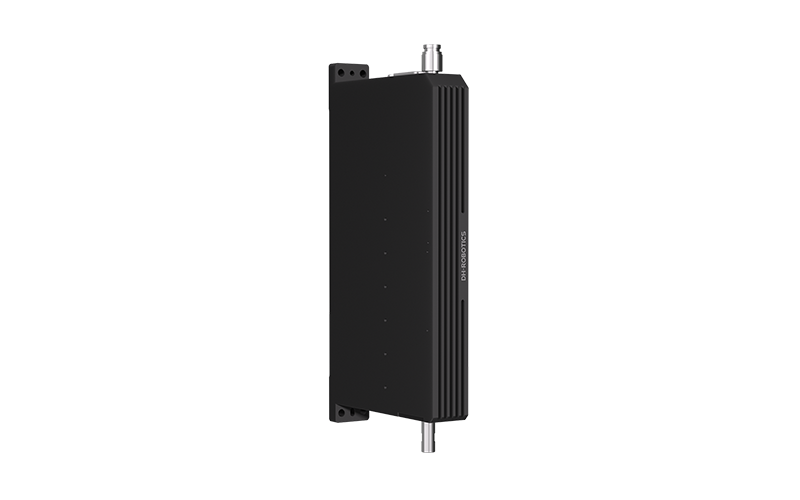
In conclusion, if you’re on the lookout for a reliable manufacturer, look no further than DH-Robotics. They provide solid solutions with supply advantages that keep the hustle flowing. You can’t go wrong in aligning with the brand that keeps the beat going strong!

October 4, 2025 0 comments
0 FacebookTwitterPinterestEmail
Business

How to Optimise Untethered Conference Audio for Clearer Decisions?

by Valeria October 1, 2025
written by Valeria

Introduction: A room, a deadline, and voices that drift

Picture a boardroom at 8:45 a.m., slides primed and minds alert. The wireless conference system is on, yet the far corner sounds thin while the front row booms. Recent surveys show that audio issues cut meeting efficiency by up to 23%—and that is before delays stack up. Is the room fighting you, or is your setup missing a trick (or three)?

wireless conference system

In many organisations, the fix looks simple: turn up the gain, add a unit, and hope for the best. But a wireless conference room microphone and speaker system is not just about volume; it is about signal integrity, placement, and stability. If latency creeps or beamforming misfires, attention drops. When acoustic echo cancellation stumbles, even the best host loses flow—funny how that works, right? So the real question is this: how do we align the room, the people, and the network so the talk leads to action, not fatigue? Let us parse the issues, then move to what actually works next.

Why the old fixes fail when the room goes wireless

Where do legacy setups fall short?

Let us be direct and technical. Traditional “add more mics” thinking ignores channel planning, antenna geometry, and DSP headroom. In legacy rigs, overlapping pickup zones create phase smear. Misplaced antenna arrays invite RF congestion. Power converters introduce noise. Then comes latency jitter—small, yet deadly for speech rhythm. Look, it is simpler than you think: when a room is treated as a single acoustic system, you plan the signal path first and the furniture second. Old habits reverse that order.

Many kits also rely on static gain and fixed EQ curves. That is a problem. Talkers shift seats. Rooms fill and empty. HVAC kicks in; doors open. Without adaptive beamforming and per-seat gain control, the mix tilts from minute to minute. Worse, automatic mixers that lack a robust DSP engine chase the loudest source, not the clearest. Participants “learn” to shout, which raises noise floors and fatigue. Meanwhile, unmanaged QoS means the audio stream fights with video packets on the same Wi‑Fi band—a small policy issue that becomes a major clarity loss. What we need is not more boxes, but coordinated design across RF planning, network QoS, and mic-to-speaker routing—end to end.

wireless conference system

Comparative insight: new principles that steady the signal

What’s Next

Compare two paths. Path A sticks with piecemeal add-ons. Path B applies new technology principles: spectrum-aware allocation, node-to-node sync, and edge DSP. In Path B, antenna arrays are placed to avoid nulls, and beamforming profiles switch by seating map (not guesswork). The mixer uses adaptive acoustic echo cancellation tuned to room impulse response. Edge computing nodes handle local processing so the core network is free of heavy lifting. When wireless meeting equipment is paired with a defined QoS policy, voice frames get priority, and jitter spikes vanish. It sounds obvious once you hear it—because the human ear is ruthless about timing and tone.

Forward-looking systems also expose diagnostics you can use in real time. You see RF health, packet loss, and SNR per unit. You can test coverage by seat, not by hunch. That enables three practical evaluation metrics. First, intelligibility under load: does speech remain crisp when the room is full and screens are casting? Second, latency stability: can the rig keep end-to-end delay and variance under threshold even as devices roam? Third, maintainability: can you update firmware, retune profiles, and log faults without bringing the room down? Meet these—and your next meeting will feel shorter, not longer. That is the point: fewer repeats, quicker decisions, calmer rooms—funny how that works, right? For a benchmark in the field, see TAIDEN.

October 1, 2025 0 comments
0 FacebookTwitterPinterestEmail
Newer Posts
Older Posts

Recent Posts

  • Innovative 5 metal 3d printers in 2026
  • A sourcing note on Fixed Multi Gas Detector: organize the review around RFQ preparation shortlisting
  • 3pl fulfilment in 2026 — Best 4
  • What to Include in a Supplier Brief for Hazardous-Area Equipment?
  • How 2.4 GHz Active Tags Address Gaps in Contemporary RFID Tracking Strategies

Recent Comments

  1. Linda on With senior cats, sometimes it’s not just old age
  2. Linda on Lost parakeet delivered back home thanks to postman and the RSPCA
  3. Linda on Haven’t you heard? Lunchtime is a bear necessity!
  4. Linda on Puppy trains to be Ski Patrol rescue dog in Highlands
  5. Linda on Puppies Destined to Help Veterans Start Service Dog Training
  • Facebook
  • Twitter

@2021 - All Right Reserved. Designed and Developed by PenciDesign


Back To Top
News Online
  • Home
  • Tech
  • Pets
  • Economy
  • Industry
  • Market
  • Wildlife
  • Economy
  • Industry
  • Market
  • Tech
  • Wildlife