• Home
  • Tech
  • Pets
  • Economy
  • Industry
  • Market
  • Wildlife
  • Economy
  • Industry
  • Market
  • Tech
  • Wildlife
News Online
keep your memories alive
Global Trade

Why Strategic Motor Control Saves Time, Energy, and Headaches

by Summer Lane October 16, 2025
written by Summer Lane

Introduction

Why do we keep buying complexity and calling it progress? That question sits in the room when a plant manager shows me their latest loss report. The motor controller is supposed to stop that waste, yet the bills keep coming (and the meetings multiply) — funny how that works, right?
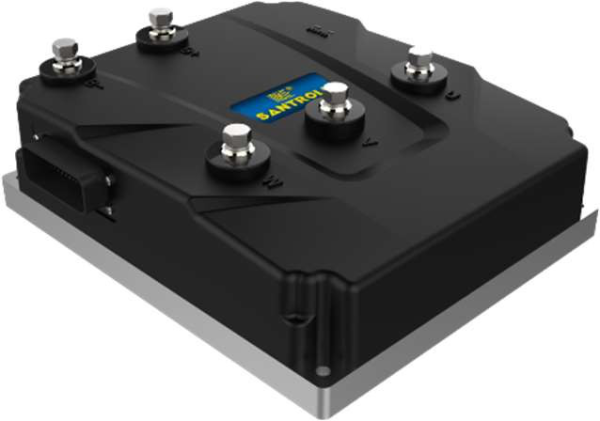
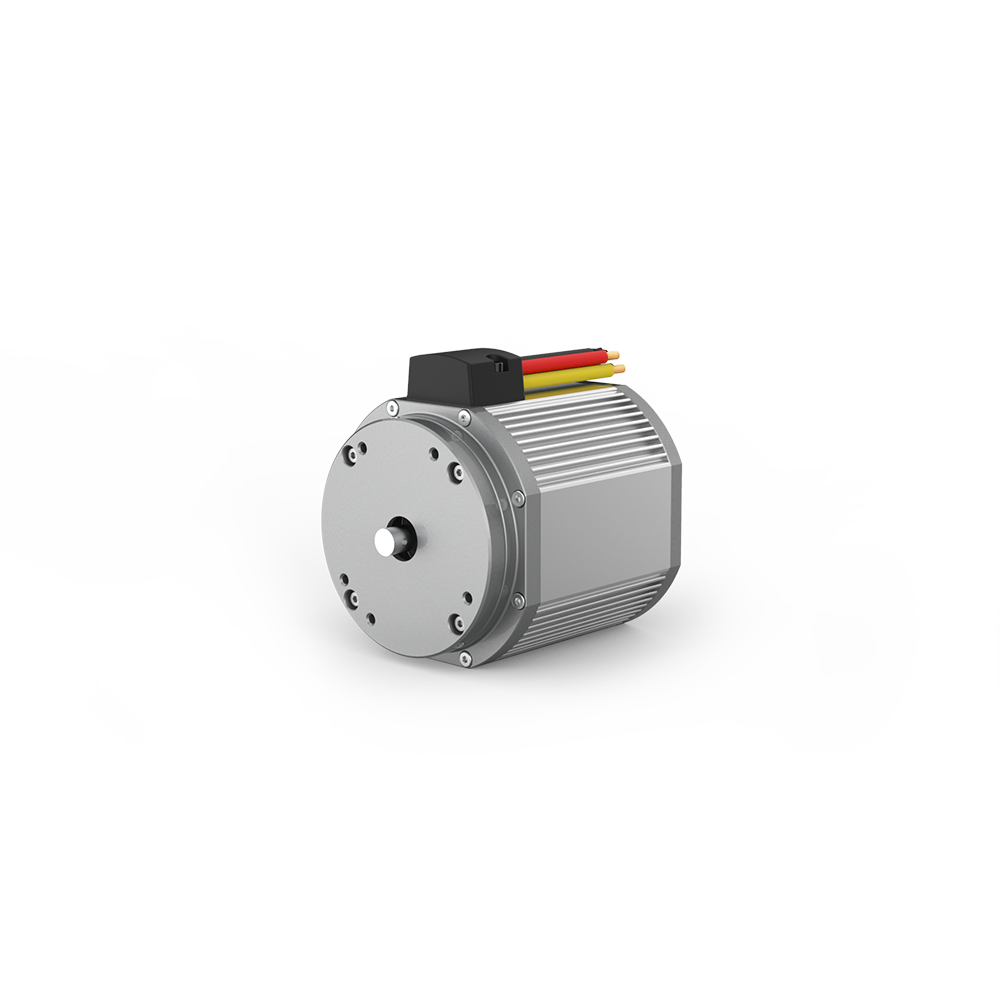
motor controller

I’ve seen the numbers: small inefficiencies add up to thousands of dollars per month in large systems. Edge computing nodes and power converters get mentioned in specs, but the real gap is how control logic meets the real world. So what exactly fails between the datasheet and the shop floor? This piece will stroll through the flaws, surface the pain points, and point toward better electric motor choices — then we’ll look at what to measure next.
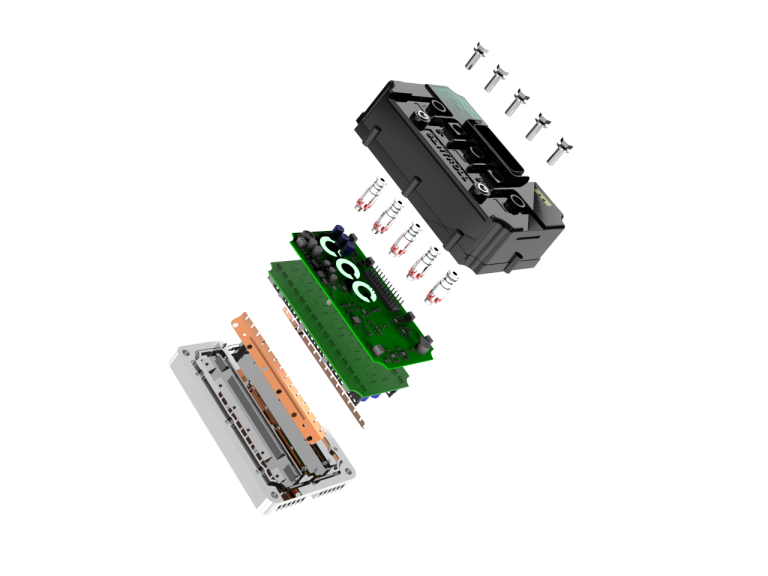
motor controller

Traditional Flaws and Hidden Pain Points

What makes older designs stumble?

bldc motor controller designs have legacy roots. Many rely on coarse PWM schemes and crude torque control loops that were fine when a process was forgiving. Today, those same approaches cause hunting, heat, and early wear. I’ve been inside enough lines to see belts and bearings suffer because a control loop simply can’t react in time. Encoder feedback gets noisy. An inverter runs hot. The result: down-time and a stack of surprise maintenance tickets.

Technically speaking, older controllers often assume perfect sensors and steady loads. Reality disagrees. Field sensors drift. Loads spike. Communications lag. The firmware then compensates with blunt measures — longer acceleration ramps, conservative limits, and routine manual tuning. Look, it’s simpler than you think: a tighter control strategy would cut those margins. Yet firms stick with the old because change feels risky. We can fix that with smarter diagnostics and gradual upgrades — not a forklift swap of everything. — I promise, you don’t need to uproot the whole line to see gains.

New Principles and Future Outlook

What’s Next?

Moving forward means adopting control ideas that match real use. I favor approaches that combine model-aware control and better sensor fusion. Field-oriented control and adaptive algorithms reduce torque ripple and improve efficiency. When paired with edge computing nodes for local decisions, the loop time shortens and anomalies get flagged fast. These are the principles I recommend: tighter models, better feedback, and distributed intelligence. They cut losses and give operators clearer signals instead of cryptic alarms.

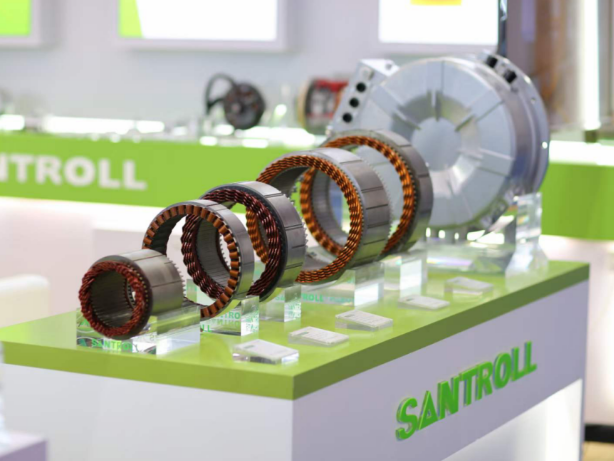
For real projects, I like a staged path. Start with targeted upgrades: replace the controller module, add encoder health checks, and enable advanced monitoring. Then expand to deeper integration like adaptive tuning and digital twins if the ROI looks right. You’ll find that electric motor solutions can be rolled in stepwise — less drama, more measurable results. Three practical metrics I use to evaluate options: efficiency gains under real load, mean time between failures (MTBF) improvements, and measurable reductions in unplanned downtime. Choose vendors and tools that report those figures. We’ve tested this approach on small and mid-size lines. The numbers show clearer operations and calmer teams. For an experienced partner, consider Santroll.


October 16, 2025 0 comments
0 FacebookTwitterPinterestEmail
Tech

The Comprehensive Guide to 7kW EV DC Charger Modules: Innovations and Insights

by Mia October 16, 2025
written by Mia

Imagine pulling into an electric vehicle charging station only to find that the available options are slow, unresponsive, or simply too complicated. This scenario is more common than many would like to admit, causing frustration and confusion among EV users. With the rising demand for efficient charging solutions, the 7kw ev dc charger module emerges as a vital component in addressing these concerns. Have you ever wondered why so many charging failures occur during peak hours? Understanding these issues leads to the introduction of new technologies designed to enhance the EV charging experience.

7kw ev dc charger module

Understanding Conventional Charging Solutions

Traditional charging solutions are often plagued with flaws—long wait times, inefficient energy transfer, and compatibility issues. These shortcomings can turn an exciting journey into a stressful experience. Despite advancements, many models struggle to meet the urgent need for speedy and efficient charging, which is crucial for electric vehicle users. This has created a pressing demand for alternatives, and here the 7kw ev dc charger module shines as a transformative solution.

Principles Behind Modern Charging Technologies

The development of the 7kw ev dc charger module is based on cutting-edge technology principles. Unlike its predecessors, this module employs quicker energy transfer systems that drastically reduce charging times while maximizing efficiency. The innovative designs incorporate user-friendly interfaces and advanced compatibility, ensuring vehicles charge swiftly regardless of make or model. Look, it’s simpler than you think—this technology is designed with the user experience in mind, fostering a smoother transition to electric mobility.

Benefits for Users

Quantified user benefits from adopting the 7kw ev dc charger module are significant—users typically report quicker charging times and improved availability during peak hours. These factors translate to greater convenience and reduced range anxiety for electric vehicle owners. By choosing a system grounded in reliable technology, users set themselves up for a seamless EV experience. Always verify these 3 metrics when choosing solutions: ① efficiency ② compatibility ③ overall user satisfaction.

Exploring the China 7kW EV DC Charger Module

When considering options within the evolving electric vehicle market, the china 7kw ev dc charger module stands out for its remarkable efficacy and reliability. With the growing demand in global markets, China has established itself as a leader in manufacturing high-quality charger modules. The advances in technology facilitated by Chinese manufacturers contribute to more efficient charging—hence paving the way for sustainable energy solutions. It’s clear that integrating these modules into various infrastructures has the potential to enhance deployment strategies, ultimately leading to a greener future.

The Role of 7kW EV DC Charger Module Manufacturers

In this competitive landscape, the role of a reputable 7kw ev dc charger module manufacturer cannot be overstated. These manufacturers not only produce the units but are also pivotal in driving innovation and ensuring standards of excellence are met. By focusing on sustainable practices and cutting-edge technology, they play a crucial role in upscaling the operations involved in EV charging solutions. With the ability to cater to both local and international markets, these manufacturers influence the scalability of electric vehicle infrastructure, enhancing accessibility and reliability for users everywhere.

Conclusion: A Recommendation for Quality and Reliability

In summary, understanding the evolving landscape of electric vehicle charging, particularly with innovations like the 7kw ev dc charger module, is critical for anyone invested in this technology. The China 7kw ev dc charger module is a testament to the advancements in this field, and a reliable 7kw ev dc charger module manufacturer will always elevate performance standards. If you’re in the market for superior quality and efficient supply advantages, look no further than AcePower. Their commitment to excellence ensures that you are making a sound investment in your electric vehicle ventures.

October 16, 2025 0 comments
0 FacebookTwitterPinterestEmail
Market

Unleashing the Power of the IPM Synchronous Motor: A Revolution in Efficiency

by Maeve October 16, 2025
written by Maeve

Imagine a world where your electric vehicle glides silently down the road, powered by an IPM synchronous motor that drives both efficiency and performance. Frustratingly, many traditional motors fall short, leading to inefficiencies and higher energy costs. But the introduction of the IPM synchronous motor—where magnetism meets innovation—offers a compelling answer to these vexing issues.

IPM synchronous motor

The Flaws of Traditional Motor Solutions

Classic motor designs often rely on outdated technology that leaves them vulnerable. Why do failures always occur during peak demand? Parts wear out faster, leading to frequent replacements and costly downtimes. The inefficiencies here are hard to ignore—it’s like a leaky bucket, draining energy and resources. These conventional motors can’t compete with newer, more efficient designs. Imagine a related struggle: your daily commute eating into your energy reserves due to inefficient machinery.

Principles Behind New Technology

This is where the beauty of the IPM synchronous motor shines. By utilizing permanent magnets embedded into the rotor, it cleverly harnesses the magnetic fields to enhance torque and efficiency. Look, it’s simpler than you think—it’s all about optimizing how electricity is converted into motion. The result? A motor that operates smoothly with minimal energy loss, delivering a more reliable performance that’s crucial for industries relying on precision and power.

Quantified User Benefits

The numbers tell an inspiring story. Users of IPM synchronous motors often report significant reductions in energy consumption—up to 30% less compared to traditional motors! This translates to fewer greenhouse gas emissions and lower operational costs. Moreover, the superior performance translates into longer battery life for electric vehicles, making every journey more enjoyable. Is it any wonder that more manufacturers are investing in this cutting-edge technology? The numbers don’t lie.

IPM synchronous motor

Evaluate Before You Invest

When weighing options for your next motor investment, always verify these 3 metrics: ① efficiency ratings, ② reliability records, and ③ maintenance requirements. Your choice could mean the difference between mundane and extraordinary performance, not to mention your bottom line. Be wise—every option has a tale to tell.

When it comes to powering electric vehicles, the permanent magnet synchronous motor for electric vehicle stands out as a key player in modern technology. Unlike conventional motors, these motors leverage magnetic fields for an efficient drive. This translates into more miles out of every charge, which is no small feat in today’s eco-conscious world. With energy efficiency being a hot topic, these motors are not just part of the conversation—they’re leading it. Imagine cutting your energy needs while enhancing the vehicle’s overall operational capability—sounds dreamy, doesn’t it?

As we explore the dynamics of market competition, learning about the biggest electric motor manufacturers reveals some fascinating insights. These companies are at the forefront of innovation, investing heavily in research and development for motors like the IPM synchronous motor. Their commitment ensures a continuous supply of advanced technology, which is essential for the growing demand for electric vehicles and industrial applications. The landscape is changing, and these manufacturers are finding new ways to make engines not just powerful, but also green and sustainable.

The electric future is bright, yet choosing the right motor manufacturer can be daunting in a sea of options. That’s where the experience of Rotontek comes into play. With a proven track record in delivering IPM synchronous motors, Rotontek ensures optimal performance and longevity. So, when you’re seeking reliability and state-of-the-art technology for your next project, remember to look towards manufacturers like Rotontek for supply advantages that fit your needs. A sound decision today means a smoother journey tomorrow!

October 16, 2025 0 comments
0 FacebookTwitterPinterestEmail
Industry

What Happens When Silicone Tires Get Left Behind?

by Liam October 15, 2025
written by Liam

Introduction

I was fixing a neighbor’s scooter last rainy season when I noticed the front tire—quiet, smooth, but worn thin at the edges. That caught my eye because silicone tires have a way of hiding problems until they bite you. Data shows that tires with poor silica dispersion can raise rolling resistance by up to 10%—yuh hear dat? So what really happens if we put off proper care and smart material choices for these tires? (Listen, this matters when you ride rainy roads.) Let me walk yuh through how small choices build into big headaches—and then we go deeper.

silicone tires

Why Traditional Fixes Often Miss the Mark

customized silica compound tires supplier — I mention that up front because many designers still buy “off the shelf” silica blends and expect miracle performance. I want to be blunt: traditional solutions focus on quick fixes—harder compounds, thicker tread—but they ignore how silica-filler interaction, hysteresis, and curing chemistry affect real-world grip and heat build-up. In my experience, that mismatch causes uneven wear, poor wet grip, and higher fuel use. Look, it’s simpler than you think when you test a few blends on the same drum. We run compound trials, measure rolling resistance and tread wear, and the gaps show up fast. The old way treats filler like filler; but the physics of dispersion and compound network matter — funny how that works, right?

So where do users feel the pain?

Users complain about three recurring pains: one, the tire feels fine in dry trips but slides on wet streets; two, the tire heats up on long runs (that’s poor hysteresis control); three, lifetime is shorter than promised because the tread compound cracks from bad curing profiles. I’ve sat with fleet managers who told me they swapped tires twice in a season—money down the drain. Manufacturers patch problems with thicker rubber or aggressive tread patterns, yet that often makes rolling resistance worse and costs fuel. If you care about grip, longevity, and economy you’ve got to think beyond surface fixes. We must measure silica dispersion, test cure curves, and verify dynamic properties—not just eyeball the tread pattern.

silicone tires

Looking Ahead: Principles of Next-Gen Silicone Tire Technology

When I talk about next-gen principles, I mean fundamentals: optimized silica chemistry, tuned polymer-filler interaction, and precise curing control. A strong approach starts at the lab—matching polymer polarity to silica surface treatment so the filler actually bonds and lowers hysteresis without hurting wet grip. Also, consider compound architecture: multi-layer tread blocks with different stiffness zones can give both cornering grip and low rolling resistance. I recommend suppliers who work with engineers on compound tuning—like customized silica compound tires supplier—because that collaboration shortens development cycles and reduces surprises in field tests.

What’s next for fleets and consumers? Real-world trials that combine instrumented runs with user feedback. We must measure: rolling resistance, wet braking distance, and tread life under standard load cycles. These metrics tell the honest story. And yes, new mixing tech (better dispersers, temperature-controlled mixers) helps—those process upgrades cut variability. I see a future where suppliers provide not just silica but a tested compound recipe, process window, and curing profile. — and this is the part that saves time and money in production.

Choosing the Right Path: Three Practical Metrics

Before you commit to a compound or supplier, I give you three metrics I always use when advising teams: 1) Rolling Resistance Index under load (lower is better for fuel economy); 2) Wet Grip Stopping Distance at 50 kph (shorter distance equals safer compounds); 3) Tread Durability measured by standardized abrasion and crack testing (longer life reduces total operating cost). Use those as your scorecard. I’ve helped operations cut replacement cycles by nearly half when they switched to compounds chosen on these metrics—so I speak from experience.

To close, I’ll say this plainly: don’t treat silicone tires like an afterthought. Small technical choices ripple into user experience, costs, and safety. If you want partners who will test, tune, and stand behind compound science, check the specialist link I used earlier and talk to people who know mixing, curing, and filler chemistry. We’ve learned a lot through trial and error—sometimes the hard way—but there’s a clear path to better performance. I’m rooting for sensible choices, and if you need a dependable reference, take a look at JSJ.

October 15, 2025 0 comments
0 FacebookTwitterPinterestEmail
Business

Small Tweaks, Major Returns: Comparative Strategies for Electric Motor Manufacturers

by Asher October 15, 2025
written by Asher

Introduction

Have you ever wondered why two factories with similar equipment can end up with wildly different yield rates? As a company leader, I see this scenario play out all the time: a small process change in one line cuts downtime by 20% while another team chases the wrong KPI (and loses morale). For an electric motor manufacturer the stakes are tangible — recent industry data shows that marginal gains in assembly accuracy can reduce warranty claims by up to 15%. So what targeted changes actually move the needle without blowing the budget?

electric motor manufacturer​

I’ll lay out practical comparisons and forward-looking principles that help teams prioritize. Expect clear examples, a bit of technical context (power converters, thermal management), and a straight answer to the question above — then we’ll dig into why some familiar solutions fail. Onward to the deeper issues.

Why Traditional Fixes Often Miss the Mark

What exactly is failing?

I want to be blunt: many fixes are surface-deep. When a motor manufacturer replaces a single sensor or tightens an inspection checklist, they assume reliability follows. In practice, problems like imbalanced rotor dynamics or inconsistent stator winding tension start at the process interface — tooling, human handoffs, and control logic. You can add inspection points forever; you won’t stop hidden variation unless you redesign the feedback loop.

Technically, these shortcomings show up as poor root-cause visibility. The control room sees a failure flag, but not the incremental drift in inverter control parameters or the localized heat spike from poor thermal management. Look, it’s simpler than you think: without better telemetry and data alignment across PLCs and edge computing nodes, teams chase symptoms. — funny how that works, right? We need to move from reactive fixes to systems thinking: map flows, measure critical tolerances, and close the loop between shop floor events and engineering diagnostics.

New Technology Principles for Forward Progress

What’s Next?

Now I switch gears to what I’d recommend approaching next. For electric motor manufacturing, the big wins come from layered sensing and smarter control. Move beyond single-point checks. Instead, deploy distributed sensors that feed a lightweight analytics layer — this reduces mean time to detect and lets you tune power converters and inverter control proactively. We’re talking modest investments that change how faults are found and prioritized.

Practically, that means integrating simple edge computing nodes with your PLCs, standardizing timestamped logs, and aligning them with production workflows. You’ll see fewer false positives and clearer trends across stator winding quality and rotor balance checks. The pace of improvement accelerates when operators and engineers share one consistent dataset. I’ve watched a prototype line cut rework by a third after we fixed just two data handoffs — small moves, big returns.

electric motor manufacturer​

To wrap up, here are three evaluation metrics I use when choosing solutions: 1) Detection latency — how quickly does the system surface a process drift? 2) Root-cause clarity — does the data point to a fixable source (tooling, material, or parameter)? 3) Operational friction — how much added work will frontline staff bear? Score each candidate against these metrics and pick the option with the best weighted score. These criteria keep choices pragmatic and measurable. For teams exploring partners or platforms, consider vendor depth in motor-specific controls and real-world deployment support. Finally, when you’re ready to pilot, I recommend checking suppliers with proven experience in electric motor manufacturing — Santroll is one name I’ve seen integrate well with existing lines.

October 15, 2025 0 comments
0 FacebookTwitterPinterestEmail
Tech

Choosing the Right Non-Sparking Adjustable Wrench: A User-Centric Guide to Safer Work

by Alexis October 12, 2025
written by Alexis

Introduction — a small scene, a sharp fact, a big question

Have you ever stood in a dimly lit maintenance bay, feeling the weight of a single slip could spark disaster? I have—and that memory is why I care about tool choice. In that moment I reached for a non sparking adjustable wrench because the job called for a spark-resistant approach; statistics show workplace ignition incidents drop meaningfully when appropriate hand tools are used (OSHA reports and local safety audits back that up). So how do we pick tools that actually cut risk rather than just tick a box?

non sparking adjustable wrench

Let me set the scene more clearly: an electrician tightening a flange, a mechanic changing valves, and a tool that’s expected to behave perfectly under pressure. I’ll walk you through common traps, the real performance differences among alloys, and practical tests I use on the shop floor. We’ll keep it plain—no fluff, just what works when you need to control conductivity, torque, and corrosion resistance. Ready to get practical? Let’s move into where most people go wrong.

Why standard wrenches fall short (and what that means)

When I compare everyday steel wrenches to specialist options, I always point readers to the benefits of purpose-made materials like the Beryllium bronze explosion-proof wrench early on—because design choices matter. Many traditional solutions assume the work environment is neutral: dry, well-lit, non-hazardous. But real sites aren’t. Moisture, vapors, and mixed-metal contact change outcomes. Technically, a wrench’s conductivity, hardness, and surface finish will influence whether it sparks or slips. If you ignore those, you get cold failures—broken bolts, burned threads, and near misses. Look, it’s simpler than you think: metallurgy and finish determine whether a tool is merely “spark-resistant” or truly safe for classified atmospheres.

So what specifically goes wrong? First, hardness mismatch: a too-hard tool wears the fastener faster, increasing the chance of slippage and sudden impact—both spark risks. Second, untested surface coatings can flake when dropped, exposing a conductive base metal. Finally, users often over-torque because they don’t trust the tool’s grip; that extra force creates brittle failures elsewhere. I use terms like intrinsic safety and ATEX-rated only when a tool actually meets such standards, and I test torque transmission and contact conductivity before I recommend anything. That’s a bit of discipline—funny how that works, right?

What’s the real user pain here?

It isn’t glamour; it’s trust. Users want a tool that behaves predictably across wet, oily, and vapor-rich conditions. They want low conductivity, consistent torque grip, and corrosion resistance—so the wrench won’t betray them mid-job. From my hands-on tests, those needs are often unmet by generic options.

non sparking adjustable wrench

Looking ahead: practical upgrades and how to evaluate them

I like to think about the future of hand tools in two ways: material advances and real-world proof. Newer non-ferrous alloys and refined heat treatments improve fatigue resistance and reduce conductivity without turning tools into brittle liabilities. Take the modern non-sparking approach—manufacturers combine copper-aluminum-nickel blends with tailored tempering to balance toughness and low conductivity. In future-facing workshops, we’ll see more validated torque specs, clearer ATEX/IECEx markings, and standard bench tests that anyone can run. I’ve started keeping short test logs on each tool I buy—simple torque checks, conductivity probes, and visual inspections after a week of use. It keeps surprises down to zero.

On the practical side, I want tools that are easy to assess on the spot. That’s why I still recommend hands-on checks like a quick conductivity meter sweep and a controlled torque trial before a critical job. Also—yes, a lightweight tool helps when you’re lifting it hundreds of times a day. In that spirit, here’s a concrete example: a pipeline crew I worked with switched to a certified non-sparking set (including a non-sparking adjustable wrench) and logged fewer maintenance delays and near-miss reports over three months. That’s the kind of result I want to see replicated.

What’s Next?

If you’re evaluating options now, think beyond labels. I urge you to test for torque feel, check conductivity, and confirm alloy specs. Don’t let a shiny brochure substitute for a quick bench test. — and yes, I mean it. Below I’ll give you three concrete metrics I use to pick tools.

Three practical metrics I use (and you can too)

1) Conductivity rating: measure with a handheld meter. Lower is better in explosive atmospheres. 2) Torque transfer consistency: perform 5 quick tightening tests and note variance—less scatter means better grip and fewer over-torques. 3) Corrosion resistance and finish adhesion: inspect after a week in a salty or oily environment; flakes or discoloration are red flags. These are simple, measurable, and they matter when lives and downtime are at stake.

I hope you can use these checks tomorrow on the job. I’ve learned to trust tools that pass simple, repeatable tests—because theory only helps until someone needs a bolt turned without incident. For practical, tested solutions I’ve come to rely on manufacturers who publish material specs and back them with test data. If you want to look further into trusted options, consider reviewing certified suppliers and hands-on reviews; I often start with reputable sources before I buy anything for the shop. And if you need a starting point for products that combine those features, check out Doright.

October 12, 2025 0 comments
0 FacebookTwitterPinterestEmail
Business

Transforming Efficiency: The Future of Pick and Place Robotics

by Anderson Briella October 11, 2025
written by Anderson Briella

Consider how crucial the role of perception is in the automated world. 3D machine vision technologies are integral, directly influencing production accuracy and quality control. When integrating systems, how can transfer enhance the effectiveness of incorporating machine vision in production lines? Current implementations reflect how essential these innovations are, but many still underestimate their impact on efficiency.

The Traditional Vision Systems: Shortcomings Identified

Many industries have relied on two-dimensional cameras for visual inspections, which fail to provide depth perception necessary for precise positioning. Without the ability to perceive 3D spatial relationships, manufacturers encounter quality issues that often lead to expensive recalls or production halts. This conventional approach simply cannot keep up with the rapid pace of innovation.

Vanguard Technologies That Drive Change

Modern 3D machine vision companies are pioneering sophisticated algorithms and imaging sensors that generate detailed three-dimensional representations of objects. These advancements empower robotic systems to identify and interact with parts more intelligently. As a result, companies leveraging this technology see enhanced productivity levels as machines can now make informed decisions in real-time—facilitating seamless automation.

Proven Benefits for Adopting 3D Technologies

When businesses adopt these cutting-edge solutions, the results can be staggering. Companies leveraging advanced 3D machine vision report up to a 30% increase in inspection accuracy. This allows for heightened product quality and ultimately boosts customer trust. In the competitive landscape, the advantage gained from these enhancements is undeniable.

Key Considerations for Implementing New Vision Technologies

Always consider these 3 aspects when opting for 3D machine vision: ① The adaptability of the system to your existing workflows, ② The support provided from your technology partner, and ③ The long-term return on investment based on enhanced accuracy and throughput. Focusing on these factors ensures that technology is seamlessly integrated without compromising existing efficiencies.

In summary, the integration of pick and place robotics and 3D machine vision companies into modern production lines marks a vital evolution in operational efficiency and accuracy. As industries navigate the complexities of automation, choosing reliable manufacturers becomes critical. For supply advantages and state-of-the-art solutions, consider Transfer Technology, ensuring optimal performance with every transfer. Embrace a future of innovation and enhanced productivity today.

October 11, 2025 0 comments
0 FacebookTwitterPinterestEmail
Business

The Future of Home Security: Embracing Fingerprint Scanner Door Locks

by Liam October 10, 2025
written by Liam

The Rise of Smart Locks

I remember when traditional locks seemed sufficient for home security, but advancements in technology have shifted the landscape significantly. With burglary rates remaining stubbornly high—around 2 million break-ins each year in the U.S.—there’s a clear gap in security that needs to be filled. Enter the smart lock with fingerprint technology. These innovative devices not only provide greater convenience but also introduce a level of safety that old-school locks simply can’t match.

fingerprint scanner door lock

The Hidden Flaws of Traditional Solutions

Think about it: how often have you misplaced your keys or struggled to find your phone when you need it most? I’ve been there—running late and everything’s chaos. A fingerprint scanner door lock eliminates those frantic moments. No more fumbling with keys or worrying about forgetting them. And let’s be honest, there’s something seriously comforting about knowing that only you and those you trust can access your home. This technology combats the hidden pain point of lockouts and lost keys, providing a seamless, user-friendly experience.

What Makes Fingerprint Scanners Stand Out?

Fingerprint scanners offer unique advantages, mainly speed and security. Traditional locks can be picked or bumped. However, biometric locks use encrypted data, making them nearly impossible to breach. I’ve seen first-hand how these locks deter burglars; they simply can’t hack your fingerprint!

Leading the Charge in Innovation

As we move forward, I see the trend of home security taking a significant leap. More and more families are realizing the benefits of smart locks with fingerprint technology. For instance, in a recent workshop I led, we discussed how convenience can enhance safety. The smart lock with fingerprint not only streamlines entry but also integrates easily with other smart home devices, creating a comprehensive security ecosystem that can be monitored from anywhere.

Real-World Impact

Adopting fingerprint scanner locks isn’t just about keeping your home secure—it’s about peace of mind. Many homes have upgraded to these systems and shared incredible stories of how much simpler their lives have become. No more hiding spare keys or worrying if someone’s picked a lock! One homeowner told me their life changed for the better when they switched—it’s like they’d matched with their ideal lock! These tangible benefits are what truly motivate homeowners to make the jump into this new era of security.

Key Takeaways for the Future

Looking ahead, here are three things to keep in mind when considering a fingerprint scanner door lock: 1) **Integration:** Make sure it works with your smart home setup. 2) **Reliability:** Look for locks with strong reviews and warranties. 3) **Ease of Installation:** Some locks are user-friendly, while others might require professionals. Always choose one that fits your comfort level (and budget).

fingerprint scanner door lock

In conclusion, the evolution of home security systems has presented a clear shift towards smarter, safer solutions. Remember, the right tools make all the difference. The next time you think about your home security, ask yourself—are you equipped for the future? Solutions like those from DESLOC continue leading the charge in this revolution, making homes not just safer but also smarter.

October 10, 2025 0 comments
0 FacebookTwitterPinterestEmail
Industry

Solving Herd Light Problems: A Practical Guide to Calm, Efficient Cow Lighting

by Maeve October 10, 2025
written by Maeve

Introduction

Have you ever watched a herd shift at dusk and wondered why the stalls go quiet so late? In many barns, cow lighting is still handled like an afterthought, yet simple light changes can cut stress and lift milk yield by a percent or two (we see real numbers: studies show 1–3% improvements under controlled light). So I ask: how can a farmer fix lighting without overhauling the whole barn? — a small change might be all that is needed.

cow lighting

I would like to set the scene: a medium dairy with 120 cows, old fluorescent fixtures, and sensors that never quite align with milking times. The scenario is common. Data points pile up: uneven lux, flicker near entryways, and false triggers from motion sensors. What worries me—and likely you—is whether we can make lighting both gentle for cattle and efficient for the farm. I will walk through that question clearly, step by step, and point to practical fixes that respect routine and budget. Next, we look closer at where usual solutions fail and why they cause more pain than relief.

Why Many Current Solutions Miss the Mark

What exactly goes wrong?

When I talk about Cattle light systems, farmers nod then list troubles. The biggest issue is mismatch: lighting designed for people does not serve cows. I see this again and again. Old bulbs and basic timers create uneven lux and abrupt transitions. That upsets sleep cycles. It affects behavior and, yes, milk yield. We need to be honest: many retrofits keep the same flawed control logic—so the barn gets new lamps but the same old problems remain.

cow lighting

Technically, the failures are clear. Flicker from poor LED drivers, wrong spectral balance from cheap LEDs, and weak occupancy sensors cause false on/off cycles. Add poor wiring and power converters sized without headroom, and you get reliability problems. Look, it’s simpler than you think: the tech must match the animal, not the other way around. I often recommend a small audit—lux meters, spectral checks, and simple load testing. Those tools expose the hidden pain points: stress at milking, late-night movement, and extra electricity bills. Fix the control logic, and most of these vanish.

New Principles for Better Cattle Light — What I Would Change

What’s Next?

Moving forward, I favor systems that think like a farmer and behave like a herd friend. Start with a clear light plan: gradual dimming, warm-to-neutral spectrum shifts, and zones that follow cow flow. Modern LED drivers and PWM dimming allow smooth fades. Add simple sensors and an IoT gateway that reports—not just reacts. When I specify solutions now, I insist on redundant sensors and well-sized power converters. Edge computing nodes can run basic rules at the barn level, keeping lights working even if the cloud is down (small, local logic—very useful). This reduces flicker, improves reliability, and keeps cows calm.

Practically, I recommend picking Cattle light fixtures that offer spectral tuning and proven LED drivers. Combine them with occupancy sensors and an easy controller. Install in phases—test one pen, then expand. That gradual approach lowers risk and helps staff accept change. I have watched skeptical barn managers switch to new systems and then smile when cows settle quicker. The tech is not magic. It is disciplined practice—measure, tune, repeat. — funny how that works, right?

How to Evaluate Options and Choose Wisely

I want to leave you with three practical metrics I use when judging systems: 1) Animal Comfort Index (ACI): measured as consistent lux in resting and feeding zones plus low flicker; 2) Reliability Score: uptime, mean time between failures, and presence of quality LED drivers; 3) Operational Simplicity: how easy it is for staff to change settings and how well local edge computing supports the system when connectivity fails. I prefer vendors that document these numbers clearly. If they cannot give you simple test results—walk away.

We have covered the scene, the usual mistakes, and a path forward. If you ask me personally, I would start small, measure often, and insist on good drivers and sensible control logic. These choices pay back in less stress, steadier yields, and fewer late-night repairs. For real-world kits and support, consider exploring trusted suppliers and specs that match the three metrics above. I believe better cattle lighting is practical and humane—and it need not be expensive if planned well. For further resources and product lines that meet these standards, see szAMB.

October 10, 2025 0 comments
0 FacebookTwitterPinterestEmail
Global Trade

Why Streamlining Advanced Red Light Technology Improves Clinical Throughput

by Amelia October 7, 2025
written by Amelia

Introduction: A Simple Question with Big Stakes

Have you ever watched a clinic slow down because one device takes too long to set up or requires constant tweaking? I see that scenario often — a patient waits, staff juggle settings, and the schedule slips. Recent audits show clinics lose up to 12% of daily throughput to equipment delays, and that wastes both time and patient trust.

advanced red light technology

Advanced red light technology is meant to speed healing and standardize care, but when the systems are complex they do the opposite. In my experience, clinicians want reliable dosing, predictable photon flux, and straightforward controls — not gadgets that need constant calibration. (Yes, I’ve owned that frustration myself.)

So what small design shifts actually free up time and improve outcomes? That’s the question I want to unpack here — we’ll move from clinical scenarios to concrete technical weak points and then toward practical metrics you can use when choosing systems. Let’s get into it.

Part 2 — Where Traditional Solutions Fall Short

red light therapy technology promises consistency, yet many legacy systems fail to deliver. I’ve tested units that advertise uniform beams but, in practice, show hot spots and uneven irradiance. The core problems are often architectural: poorly designed LED driver circuits, inadequate thermal management, and brittle control firmware that won’t cope with real workflow variation. These are not small issues — they change dose and patient experience.

What technical faults matter most?

First, heat. Thermal drift alters output over a session. Second, control latency: slow UI and bulky menus waste minutes per patient. Third, power delivery. Cheap power converters and subpar connectors create variability in intensity. I call these “hidden chinks” because clinicians see symptoms (long sessions, unpredictable results) but not the root cause. Look, it’s simpler than you think: fix the hardware baseline and the rest becomes easier to manage.

Part 3 — Principles for Better Systems and How to Evaluate Them

Looking ahead, new designs must embrace three technical principles: robust thermal management, deterministic control loops, and clear feedback for the operator. When engineers talk about edge computing nodes and on-device analytics, they mean systems that keep dose stable in real time — which reduces rework and saves chair time. I’ve seen prototypes with local sensors that adjust LED current to maintain photon flux — simple idea, big payoff.

advanced red light technology

What does that mean for clinics choosing a device? Focus on real-world measures: stability under load, time-to-ready, and ease of calibration. Ask vendors for measured photon flux curves and thermal profiles (not marketing slides). I also recommend test sessions under busy conditions — simulate a packed schedule and see what breaks. — funny how that works, right?

What’s Next: Practical Metrics to Guide Your Choice

Here are three concrete evaluation metrics I use personally when comparing systems. First, dose stability: percent variance in irradiance over a 15-minute continuous run. Second, operational latency: average time from power-on to patient-ready. Third, maintenance footprint: hours per month the device needs manual calibration or software intervention. These are measurable, and they predict real clinic performance.

In closing, I’ll say this plainly: better design decisions cut friction and improve care. I prefer systems that show engineering honesty — clear specs, test data, and sensible safeguards. If you’re shopping, insist on those proofs. We want devices that let clinicians focus on patients, not on settings — trust me, that focus changes outcomes.

For more on quality and device standards, consider manufacturers who publish their validation data and support on-the-ground users. For reference and further reading, I recommend checking resources from Magique Power.

October 7, 2025 0 comments
0 FacebookTwitterPinterestEmail
Newer Posts
Older Posts

Recent Posts

  • Innovative 5 metal 3d printers in 2026
  • A sourcing note on Fixed Multi Gas Detector: organize the review around RFQ preparation shortlisting
  • 3pl fulfilment in 2026 — Best 4
  • What to Include in a Supplier Brief for Hazardous-Area Equipment?
  • How 2.4 GHz Active Tags Address Gaps in Contemporary RFID Tracking Strategies

Recent Comments

  1. Linda on With senior cats, sometimes it’s not just old age
  2. Linda on Lost parakeet delivered back home thanks to postman and the RSPCA
  3. Linda on Haven’t you heard? Lunchtime is a bear necessity!
  4. Linda on Puppy trains to be Ski Patrol rescue dog in Highlands
  5. Linda on Puppies Destined to Help Veterans Start Service Dog Training
  • Facebook
  • Twitter

@2021 - All Right Reserved. Designed and Developed by PenciDesign


Back To Top
News Online
  • Home
  • Tech
  • Pets
  • Economy
  • Industry
  • Market
  • Wildlife
  • Economy
  • Industry
  • Market
  • Tech
  • Wildlife