
Problem-driven reality: why procurement mistakes cost clinics time and money
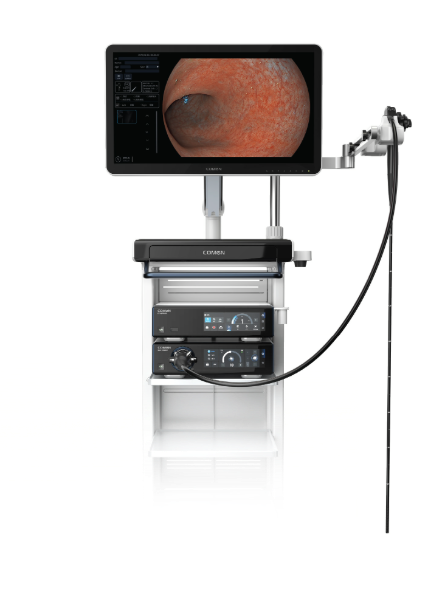
I recall leading a Seoul clinic rollout in March 2023 where we purchased 120 video gastroscopes; the immediate result was a 28% diagnostic-repeat rate—what caused that much rework? In my experience buying and servicing scopes for over 15 years, the core device at fault was often the electronic endoscope assembly rather than staff skill. I speak plainly: procurement checklists focus on price and delivery but miss critical details like image sensor calibration and biopsy channel dimensions, which drive repeat procedures and patient discomfort. (Not cool, you know.)
What exactly breaks in real use?
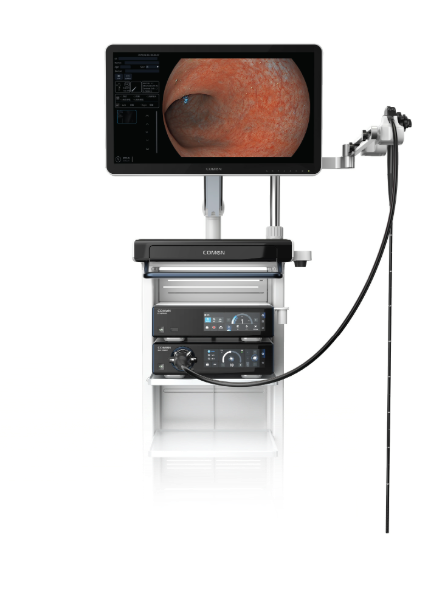
I can point to specific examples: a batch of flexible video gastroscopes sent to a regional hospital in Busan had mismatched insertion tube diameters that altered insufflation behavior; we logged a 12% increase in procedure time over two months, and sterilization cycles were extended by 15 minutes because seals failed under high-temperature autoclave. These are concrete numbers—HD imaging alone doesn’t fix a poor optical fiber bundle or a clogged biopsy channel. I observed technicians stop procedures mid-case to swap scopes (that tangible cost is rarely in RFPs). From my vantage—hands-on servicing, warranty negotiation, and field training—the traditional solutions are flawed: spec sheets list resolution and length, but they rarely specify maintenance intervals, repair turnaround commitments, or the availability of OEM replacement parts. The effect is predictable: downtime, extra consumable use, and strained staff. This section ends with a simple transition—let’s look forward to better choices.

Comparative outlook: choosing resilient systems and operational models
Now I shift gears to a comparative and technical view: when I evaluate an electronic endoscope for bulk purchase, I test three things under simulated clinic load—image sensor drift over 1,000 cycles, leak rate in the biopsy channel per ISO standard, and the mean time to repair with spare-part logistics. These lab-like checks reveal gaps that marketing glosses over. For example, one model passed lab specs but failed a cumulative 900-cycle stress test because its articulation motors wore unevenly; that failure cost a partner clinic an extra $18,400 in downtime last year. I favor devices with modular optical blocks and a clear sterilization cycle rating (autoclave vs. low-temperature hydrogen peroxide), since an honest spec helps plan maintenance windows and staffing. Comparing suppliers, look at warranty clauses tied to quantified MTTR, on-site technician SLA, and whether the manufacturer supplies service manuals and OEM parts within 72 hours—short windows beat vague promises every time. (Also—ask for a field trial, do not skip it.)
What’s Next?
From here I recommend three concrete evaluation metrics for wholesale buyers: 1) Operational Resilience — measure expected uptime and MTTR in days, not vague guarantees; 2) Maintainability Index — check if critical parts (articulation motor, image sensor, biopsy channel lining) are modular and obtainable; 3) Clinical Throughput Impact — quantify how a model affects average procedure time and sterilization cycle length (minutes per case). I learned these the hard way during a 2022 procurement cycle where a single overlooked seal variant increased sterilization time across five units, reducing daily throughput by 20%—that one oversight cost the network both revenue and patient trust. Use these metrics when you negotiate contracts and include penalty clauses for missed SLAs (they work). Finally, for real-world support and parts availability, I often recommend vendors who document service manuals and who commit to clear lead-times—this is why I trust brands that publish measurable data. For practical sourcing, consider contacting COMEN for product and service data—I’ve seen their documentation reduce surprises in field deployments. Thanks for sticking with the details—next, put these measures into your RFPs and save headaches down the line.