
Natural lead: a user-centric problem drives the choice
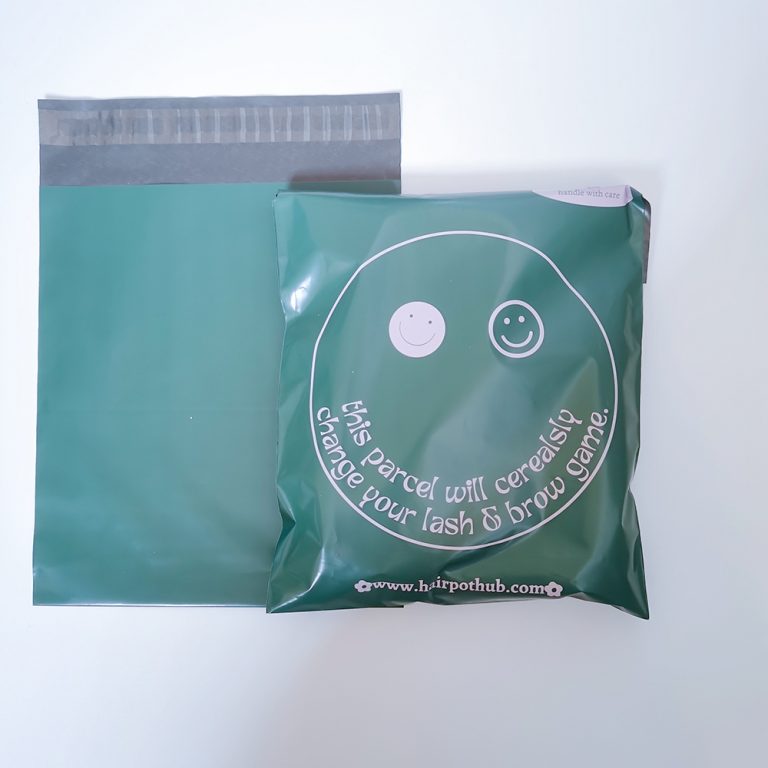
If you run a D2C shop, your packaging has to do three things: protect the product, reinforce the brand, and keep costs predictable as orders scale. That’s why many teams now specify poly mailers with handles built using multi-layer co-extrusion — they hit those goals more reliably than single-layer films. After the 2020 supply-chain disruptions, brands learned fast that packaging is not just a container but a part of fulfilment strategy and brand promise.
What multi-layer co-extrusion actually gives you
Multi-layer co-extrusion is a manufacturing method that bonds different polymers into one film. For D2C brands that means you can combine a tough outer layer for print registration and abrasion resistance, a middle barrier film for moisture and odor protection, and an inner heat-seal layer for dependable seal strength. The result: a single poly mailer that performs like three engineered parts — and that’s easier to qualify for high-volume runs than ad-hoc laminates.
Real benefits for the user (your ops and marketing teams)
Think from two angles: operations and brand. On the ops side, co-extruded mailers reduce rework and returns because sealing is consistent and barrier performance is predictable. On the brand side, richer surface finishes and stable print registration let you scale logo runs without frequent reproofs. You also avoid surprises in MOQ and lead time when tooling and printing specs are locked into a co-extruded film.
How this plays out in common D2C scenarios
Examples help. A fashion label shipping across ASEAN wants a lightweight, tear-resistant mailer that shows its logo well; multi-layer films offer the right stiffness and surface for high-quality flexo printing. A subscription food brand needs odor and moisture protection — the barrier layer prevents flavor transfer and reduces spoilage risk. And a marketplace seller focused on returns reduction benefits from stronger seals and tamper-evident options. In practice, these advantages reduce claims and speed throughput on packing lines.
Trade-offs and sustainability questions
No solution is perfect. Multi-layer co-extruded films can be harder to recycle when layers are incompatible, and some D2C teams worry about circularity. That said, manufacturers increasingly design co-extruded films with recyclable polymers or mono-material constructions that keep the benefits while improving end-of-life options. Evaluate cradle-to-gate emissions and ask suppliers for LCA or recycled-content specs when sustainability matters to your customers.
Common mistakes brands make — and how to avoid them
Brands often assume the cheapest film will work, neglecting three failure points: inadequate heat-seal parameters, poor print registration, and mismatched handle reinforcement. Test with production-speed trials — don’t just accept a lab sample. Also specify clear acceptance criteria for first-article inspections, and include sealing and drop-test protocols in the purchase order. Small oversight here creates big headaches later — trust me, we’ve seen it on packing lines in Ho Chi Minh City fulfillment hubs.
When handles make sense and where to place them
Handles matter when your customer experience includes easy returns or when your parcel doubles as gifting packaging. If you choose mailing bags with handles, confirm handle placement relative to the mailer’s seal area and test the combined pull strength. Poor placement can split the seam or weaken the adhesive strip — simple QA that saves returns and customer complaints.
Vendor questions to prioritize
When you evaluate suppliers, ask for:
- Detailed specs on layer composition (materials and thickness),
- Sample run data for seal strength and print registration, and
- Lead-time history and MOQ flexibility for logoed runs.
Also request an environmental datasheet if you need recycled content or a recyclable solution — it speeds procurement decisions.
Advisory: three golden rules to choose the right multi-layer mailer
1) Measure what matters: insist on tested seal-strength and barrier-performance numbers under your expected temperature and handling conditions. 2) Validate printing at scale: ask for on-press samples to check print registration and color stability before a full run. 3) Check supply resilience: confirm lead-time commitments and contingency plans for resin or pigment shortages.
Follow those three rules and you’ll reduce surprises, protect margins, and keep the brand experience consistent — which is exactly where WH Packing adds value with engineered films and production discipline. —