
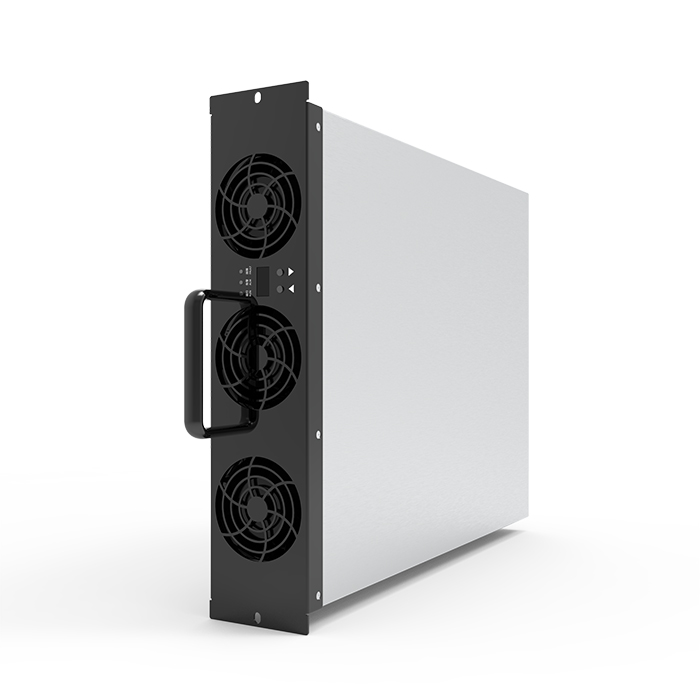
Introduction: A quick stop that wasn’t so quick—sound familiar?
You pull into a busy station off the 101, coffee in hand, and hope for a fast top-up before traffic builds. The power module for EV charger is the quiet hero under that aluminum box, flipping AC to DC so your battery climbs fast and safe. But here’s the catch: public networks report growing session counts each quarter, yet downtime and slowdowns still lurk around peak hours (especially during heat waves). In California alone, site operators note that a chunk of service calls trace back to stressed power electronics and poor thermal margins—funny how the smallest box can cause the biggest line, right?
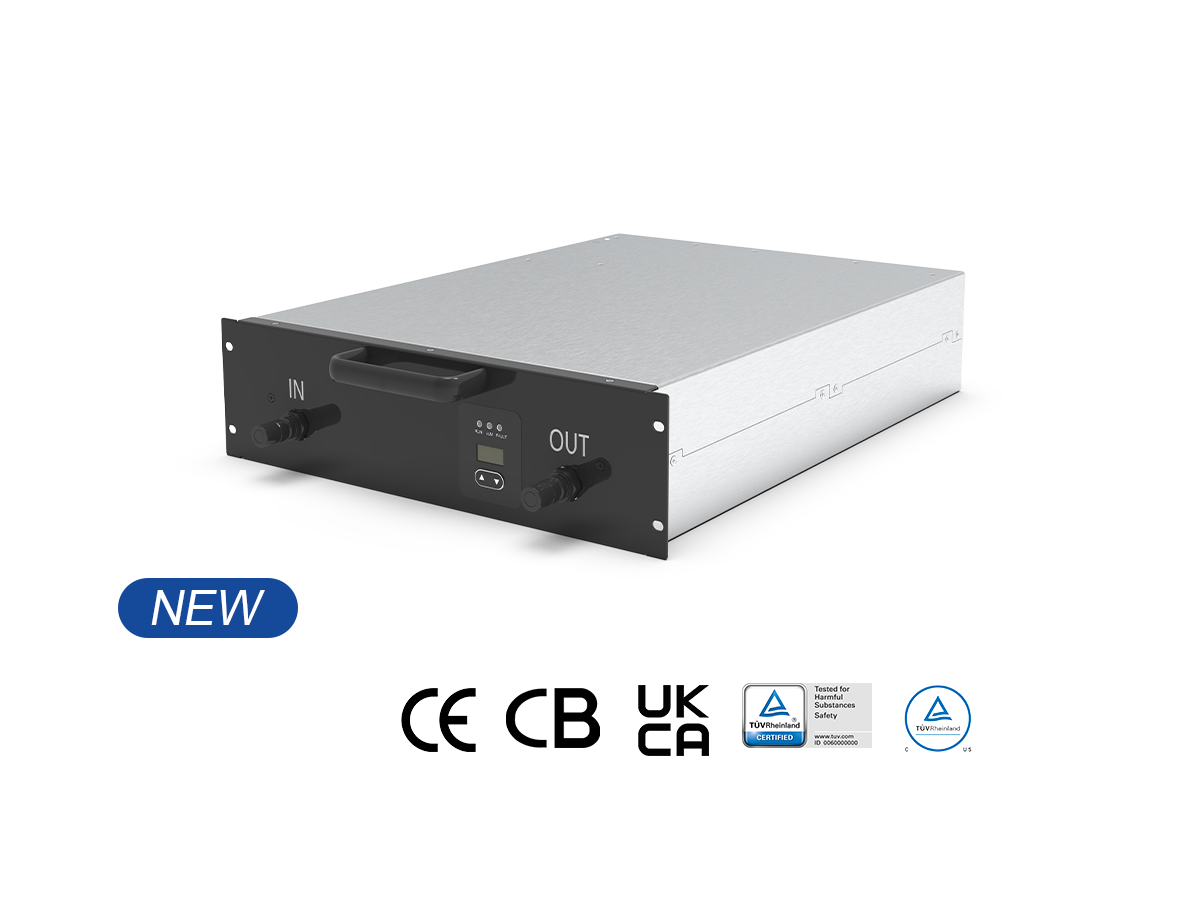
All of this raises a simple question: if EV adoption is up and chargers are smarter, why do stalls still crawl when we need them most? Maybe the issue isn’t the app or the cable. Maybe it’s what sits inside the cabinet—how the module handles ripple, transient loads, and heat over time. And if that’s true, what’s the smarter path forward? Let’s compare the old way and the new so we can pick better (and get moving faster next time).
Legacy Pitfalls Hidden in Plain Sight
Where do legacy modules fall short?
Conventional charger stacks often rely on older power converters and control loops. They work—until ambient temps spike or load steps get jumpy. Thermal derating kicks in early, so the charger backs off right when the queue is longest. Harmonic distortion creeps into the line, EMI filters get stressed, and protection thresholds trip sooner than they should. The result is choppy output and the kind of “are we done yet?” session that kills confidence. A lot of sites also lean on basic CAN bus mappings with limited diagnostics. That means faults look the same as noise, which makes field fixes slow and guessy.
Look, it’s simpler than you think. When modules push the same switching strategy across all conditions, they stack heat and ripple until the DC bus isn’t so steady. Then power-sharing between stacks gets weird, and the charger hunts for stability instead of pushing amps. That’s when you see reboots, clipped charge curves, and random stalls in cold-start states. Edge computing nodes can help, but only if the module feeds reliable data and behaves predictably under transient loads. Without that, even great software can’t mask hardware limits—and drivers feel every minute.
What Changes with Modern Isolation?
What’s Next
Newer designs shift the baseline. Think high-frequency stages with soft-switching, better magnetics, and isolation that keeps noise in its lane. A unit like the isolated module 140 shows how this plays out: tighter control loops smooth the DC bus, while improved thermal paths delay derating far into real-world heat. Instead of fighting ripple, the stage presents cleaner spectra to the grid, so upstream filters work less. That steadiness feeds smarter load sharing and steadier current, even as vehicles request aggressive profiles. It’s the same cabinet volume doing more useful work—fewer hot spots, fewer surprise trips, better uptime. And yes, it means operators spend more time optimizing and less time swapping boards—funny how that works, right?
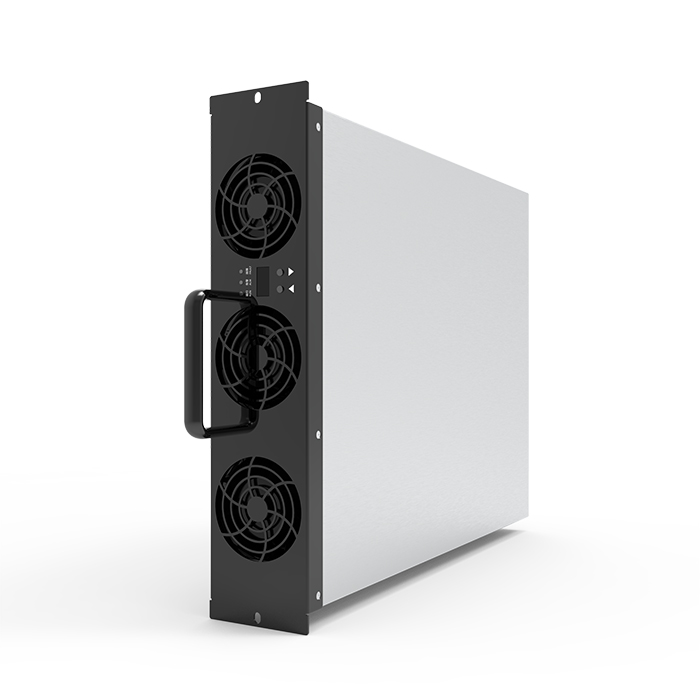
From a practical lens, the difference is measurable. Old stacks throttle early; modern isolation holds output under fast transients. Yesterday’s modules blurred faults with noise; newer ones surface real signals for faster service. Instead of chasing stability, the system focuses on throughput. If you’re comparing options, use three simple metrics to cut through the noise: 1) sustained current at 40–45°C without thermal derating; 2) DC ripple and harmonic distortion across dynamic load steps; 3) diagnostics depth over CAN bus or Ethernet, including event logs and trend data. Nail those, and the driver experience improves fast. For a deeper dive into module-level design that supports these metrics, see winline charger.