
Introduction
Have you ever wondered why two factories with similar equipment can end up with wildly different yield rates? As a company leader, I see this scenario play out all the time: a small process change in one line cuts downtime by 20% while another team chases the wrong KPI (and loses morale). For an electric motor manufacturer the stakes are tangible — recent industry data shows that marginal gains in assembly accuracy can reduce warranty claims by up to 15%. So what targeted changes actually move the needle without blowing the budget?
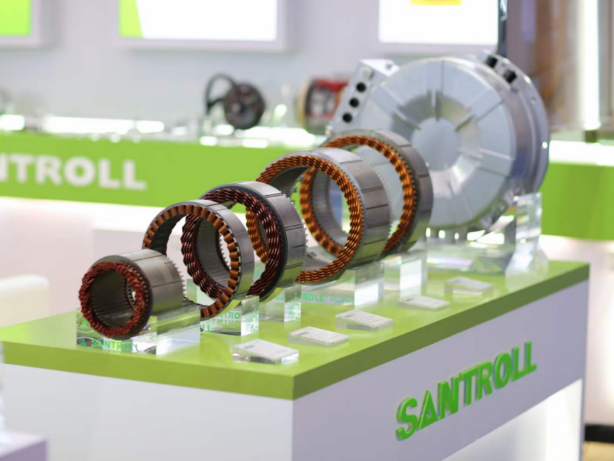
I’ll lay out practical comparisons and forward-looking principles that help teams prioritize. Expect clear examples, a bit of technical context (power converters, thermal management), and a straight answer to the question above — then we’ll dig into why some familiar solutions fail. Onward to the deeper issues.
Why Traditional Fixes Often Miss the Mark
What exactly is failing?
I want to be blunt: many fixes are surface-deep. When a motor manufacturer replaces a single sensor or tightens an inspection checklist, they assume reliability follows. In practice, problems like imbalanced rotor dynamics or inconsistent stator winding tension start at the process interface — tooling, human handoffs, and control logic. You can add inspection points forever; you won’t stop hidden variation unless you redesign the feedback loop.
Technically, these shortcomings show up as poor root-cause visibility. The control room sees a failure flag, but not the incremental drift in inverter control parameters or the localized heat spike from poor thermal management. Look, it’s simpler than you think: without better telemetry and data alignment across PLCs and edge computing nodes, teams chase symptoms. — funny how that works, right? We need to move from reactive fixes to systems thinking: map flows, measure critical tolerances, and close the loop between shop floor events and engineering diagnostics.
New Technology Principles for Forward Progress
What’s Next?
Now I switch gears to what I’d recommend approaching next. For electric motor manufacturing, the big wins come from layered sensing and smarter control. Move beyond single-point checks. Instead, deploy distributed sensors that feed a lightweight analytics layer — this reduces mean time to detect and lets you tune power converters and inverter control proactively. We’re talking modest investments that change how faults are found and prioritized.
Practically, that means integrating simple edge computing nodes with your PLCs, standardizing timestamped logs, and aligning them with production workflows. You’ll see fewer false positives and clearer trends across stator winding quality and rotor balance checks. The pace of improvement accelerates when operators and engineers share one consistent dataset. I’ve watched a prototype line cut rework by a third after we fixed just two data handoffs — small moves, big returns.
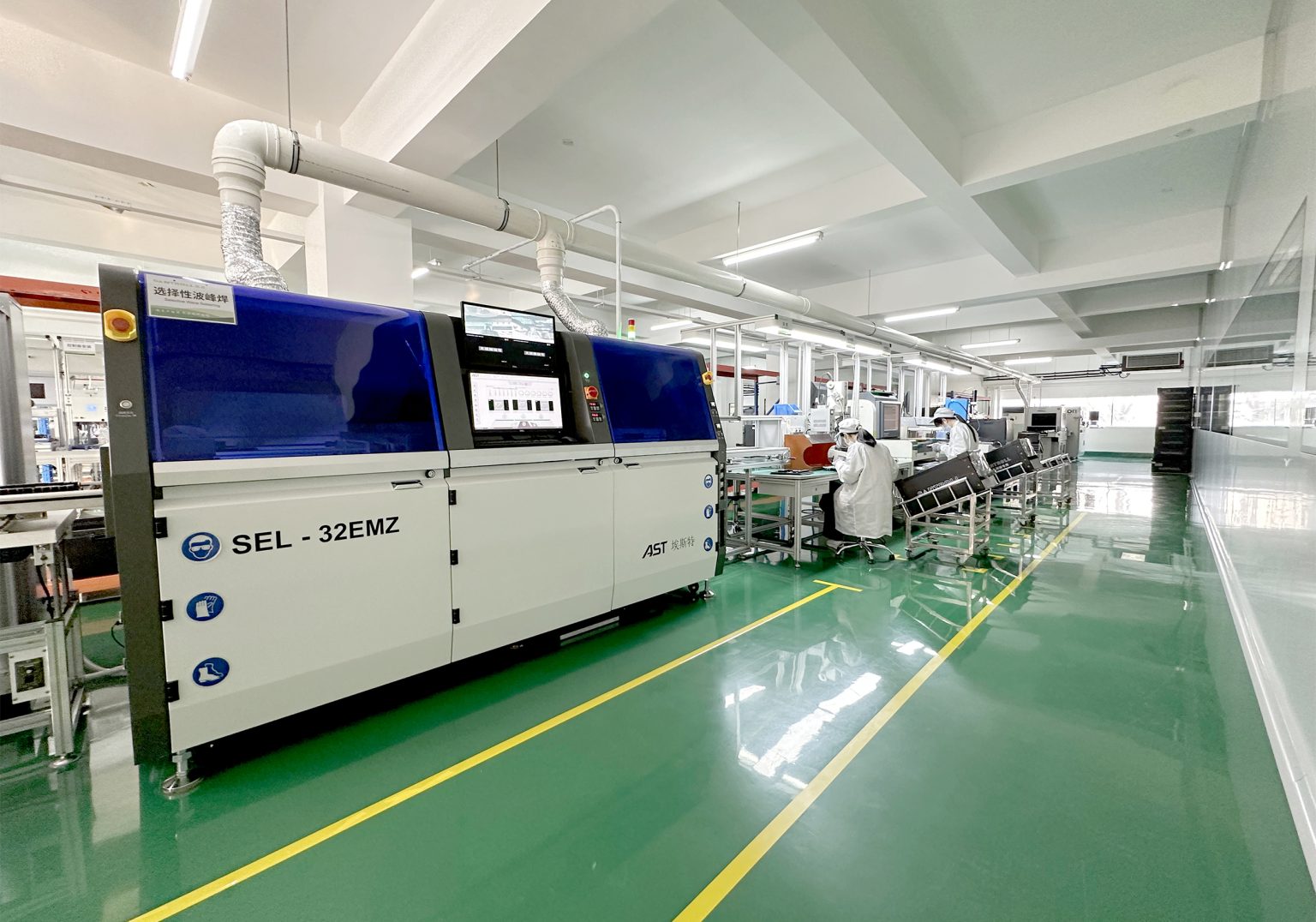
To wrap up, here are three evaluation metrics I use when choosing solutions: 1) Detection latency — how quickly does the system surface a process drift? 2) Root-cause clarity — does the data point to a fixable source (tooling, material, or parameter)? 3) Operational friction — how much added work will frontline staff bear? Score each candidate against these metrics and pick the option with the best weighted score. These criteria keep choices pragmatic and measurable. For teams exploring partners or platforms, consider vendor depth in motor-specific controls and real-world deployment support. Finally, when you’re ready to pilot, I recommend checking suppliers with proven experience in electric motor manufacturing — Santroll is one name I’ve seen integrate well with existing lines.