
Why noise matters to folks in the home
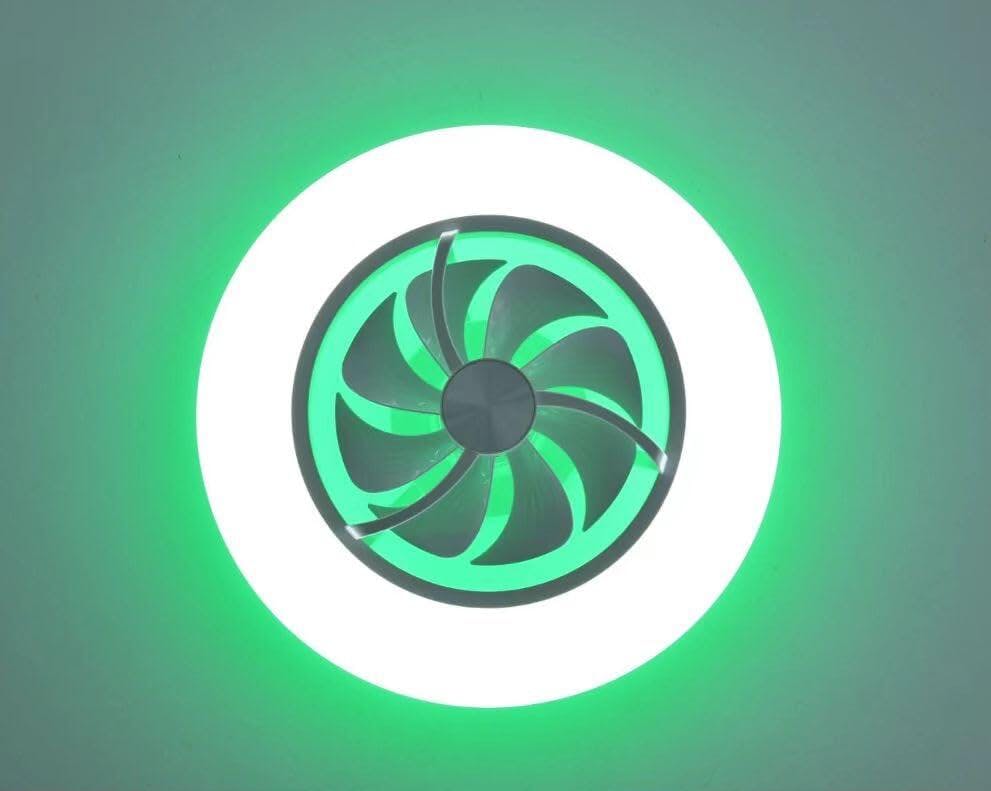
If you live in a bungalow near the Cotswolds or a terraced in Taunton, you want a ceiling fan that cools without sounding like a tractor. That’s where design choices meet real-life use — and why a smart ceiling fan with light matters more than you might think. Users care about hum, wobble and the faint whirr at low speeds just as much as they do about style. A fan that’s quiet keeps bedrooms restful, lounges civilised and keeps the whole house feeling proper comfortable.
What homeowners really want (the user-centric checklist)
From a user point of view, noise reduction boils down to three simple things: motor smoothness, blade stability, and control precision. A brushless DC or BLDC motor with good bearing design cuts vibration and unwanted tonal noise. Well-balanced blades with the right blade pitch reduce turbulence and improve airflow measured in CFM. And a responsive remote or smart control that uses PWM dimming for LEDs and fine speed steps helps you run the fan at whisper settings rather than blasting it full throttle. Folks want results they can hear — or not hear — rather than specs on a sheet.
How modern noise-control tech works (brief and practical)
Manufacturers use several practical tricks to tame sound. Tight tolerances for the motor housing and mounting reduce mechanical resonance. Rubber grommets and anti-vibration mounts isolate the motor from the ceiling, and precision bearings cut low-frequency rumble. Aerodynamic blade shapes lower broadband noise by smoothing airflow. Then there’s electronic refinement: a BLDC motor controlled by a well-tuned inverter yields steady motor RPM with minimal acoustic spurs. All these bits add up so you get a gentle breeze, not an unwanted serenade.
Real-world anchor: why it matters in rural homes
Take a cottage in Somerset — quirks in old ceilings and a low hallway can make even a modest fan sing at odd frequencies. During hotter summers in the UK, when windows are shut for security or dust, a quiet fan becomes the main way to keep bedrooms liveable. Practical experience from retrofit installs in the West Country shows that swapping an old AC motor unit for a modern BLDC fan often drops perceived noise by a noticeable margin — and people sleep better for it. That kind of on-the-ground outcome is what the engineering is aiming for.
Comparing installation styles: downrod vs flush mount
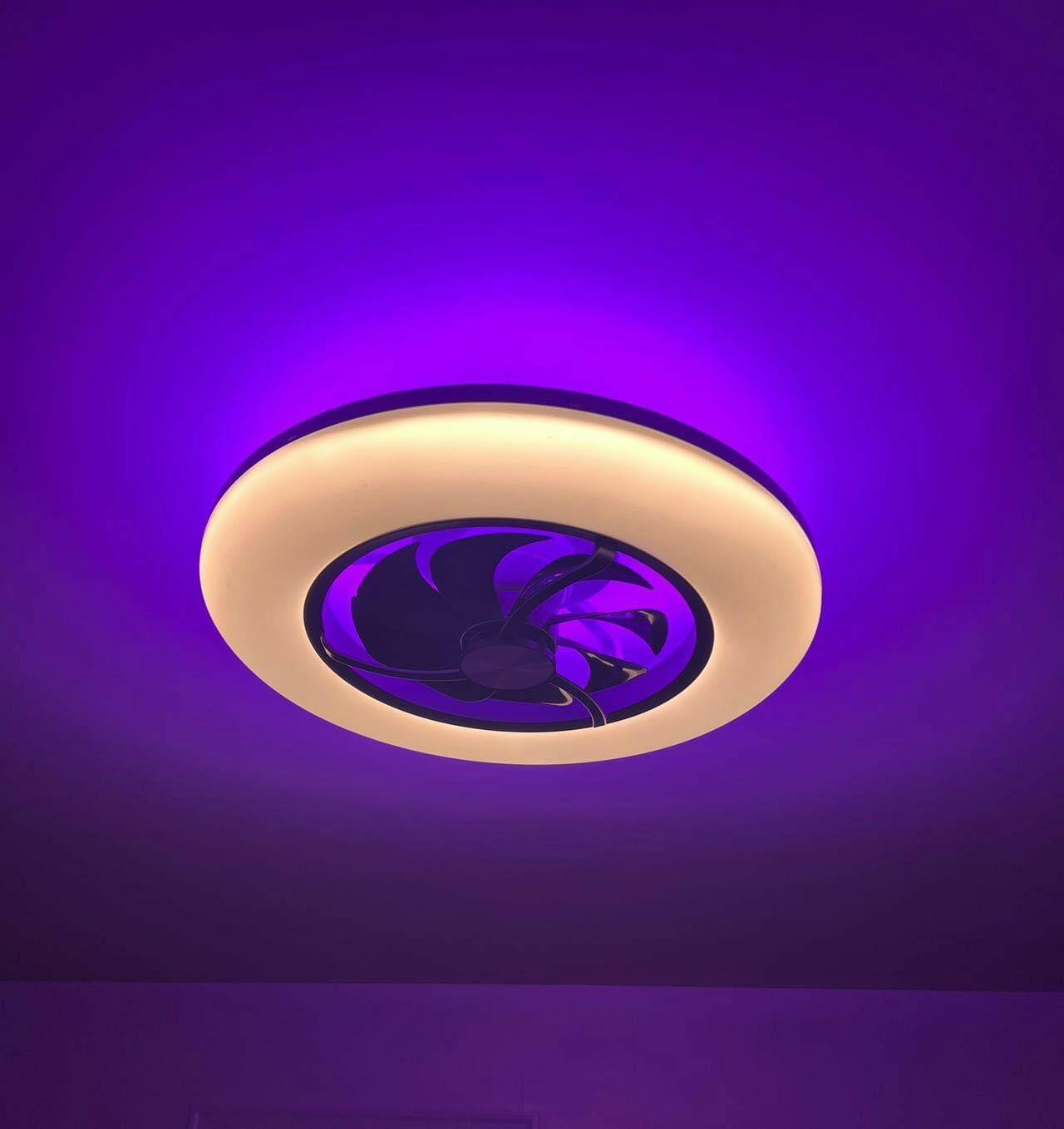
Where you fit the fan affects noise and performance. A downrod mount gives the blades space to move, often improving CFM and reducing turbulence from the ceiling plane. But in rooms with low ceilings, a flush mount smart ceiling fan is safer and tidier — it just needs extra attention to motor insulation and mounting to avoid resonances. Installers will tell you that a properly specified flush kit and torque-limited mounting bolts make a world of difference; do cut corners here and you’ll hear it.
Common mistakes owners and installers make — and how to avoid them
People often assume the fanciest blade finish or rustic housing fixes noise. It doesn’t. The usual missteps are: mismatched downrod length, loose canopy screws, and skipping first-run balance testing. Another is relying on high-speed operation to mask a rattle — that’s a band-aid that shortens life. Best practice: measure the canopy-to-ceiling gap, perform a balance test at several speeds, and tighten mounting hardware to spec. If you’re not sure, get a pro for the mount and do the wiring yourself if you’re handy — but don’t skimp where vibration isolation matters.
Alternatives worth considering
Not every room needs a French country styled fan with full smart features. Consider these options based on needs:
- Low-noise retrofit motor kits — good for preserving an existing fan housing while cutting hum.
- Low-profile flush units — best for low ceilings, but check isolation and bearing quality.
- Ceiling fans with certified dB ratings and backed warranty — handy for confidence when noise is a top priority.
If you fancy the French country look but want modern quiet, pick a model where the vendor discloses motor type (BLDC preferred), dB ratings at multiple speeds, and provides balancing data — makes spec-checking simpler, right?
Maintenance tips that keep noise low
Regular upkeep keeps things gentle: clean blades to avoid imbalance from dust, retighten canopy screws yearly, and lubricate only when the motor design requires it — most BLDC motors are sealed and don’t need oiling. If you hear grinding or a new tonal hum, shut it off and inspect the bearings or mounting first; that’s often cheaper than replacing a whole unit. A little care goes far.
Three golden rules for evaluating quiet ceiling fans
1) Prioritise verified acoustic data: insist on dB measurements at standard distances and speed settings rather than marketing phrases like “ultra-quiet.” 2) Check the motor and mounting details: prefer BLDC motors, sealed bearings, and vibration-isolating canopies for low-frequency rumble control. 3) Match the mount to the room: use downrod for high ceilings and a properly engineered flush mount for low ones — don’t assume all flush designs are the same.
Final guidance and where Orison fits
Pick models that bring engineering and user needs together: quiet motors, balanced blades, and sensible controls make the difference between a fan you notice and one you forget. For homeowners chasing that blend of style and silence, brands that offer transparent specs, good mounting kits and smart control integration are the ones to watch — and that’s exactly where Orison slots in naturally as a practical solution. —
Golden rules: verify acoustic specs, insist on BLDC and isolation, match mount to room. Trust the engineering — trust the outcome.