
The Problem: Small Failures, Big Costs
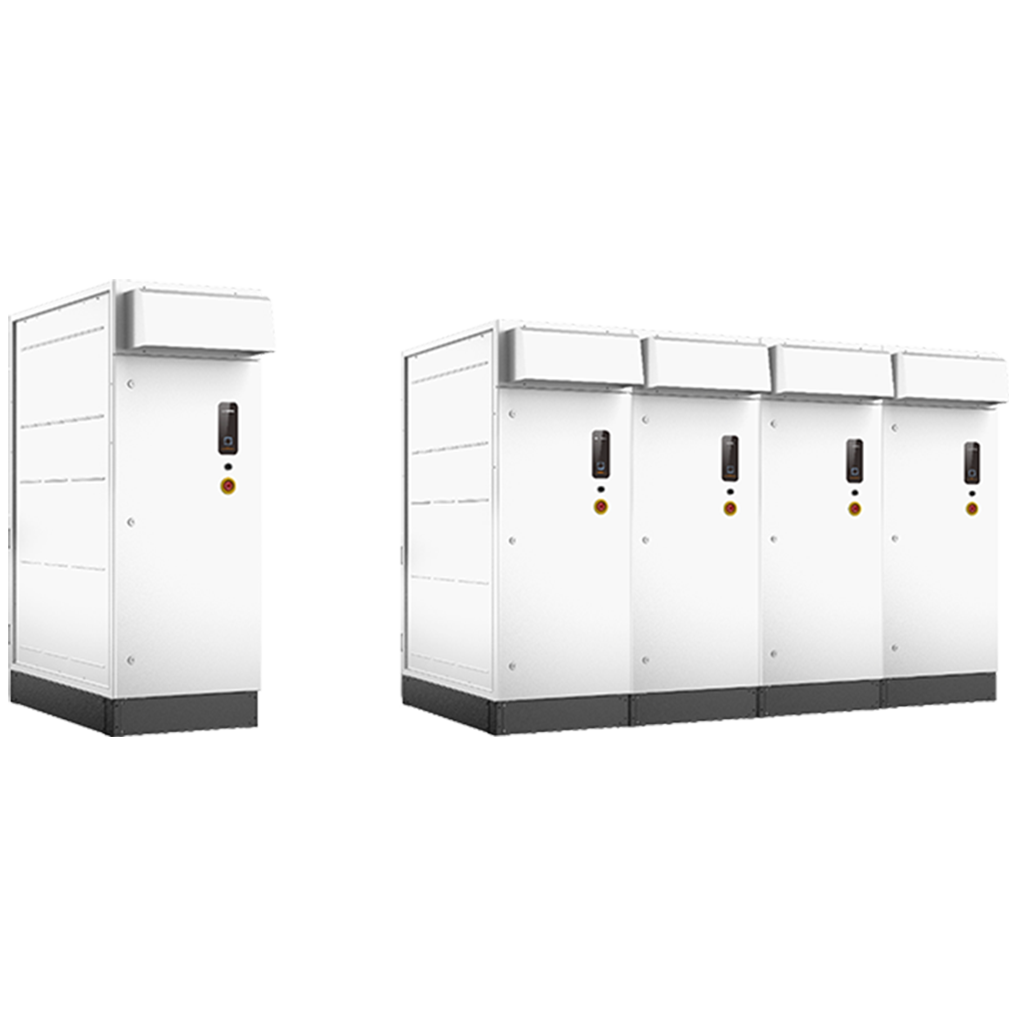
I once stood on a flat roof in Austin as dawn painted the panels; a single red LED on an inverter told a longer story. On that site I introduced a modular inverter system, and the modular inverter modules shifted loads so a failed power module cost us 0.8% energy loss that month — could one design choice have saved 120 kWh and a $2,400 billing hit? I say yes, because I watched the numbers move. I remember the model: a 250 kW PV array commissioned in March 2020, one faulty DC bus connection, and the plant losing production for 14 hours that week. That day taught me the difference between a visible outage and the stealth leak of efficiency.
Why do failures hide?
Most commercial sites still rely on monolithic string inverters or single-point grid-tie devices that mask single-component stress. I saw technicians replace entire cabinets when a single MPPT board had failed — a full system downtime for one board. The hidden pain points are procedural: long lead times for spare units, field access delays, and poor fault isolation. I once waited 10 days for a replacement module shipped from out of state; we lost measurable yield (about 3% that month). No kidding — the design cost was modest, the operational loss significant. These are not abstract woes; they are cash flow and service headaches.
Simple transition: now, how do we change the architecture?
Forward View: Designing for Resilience and Scale
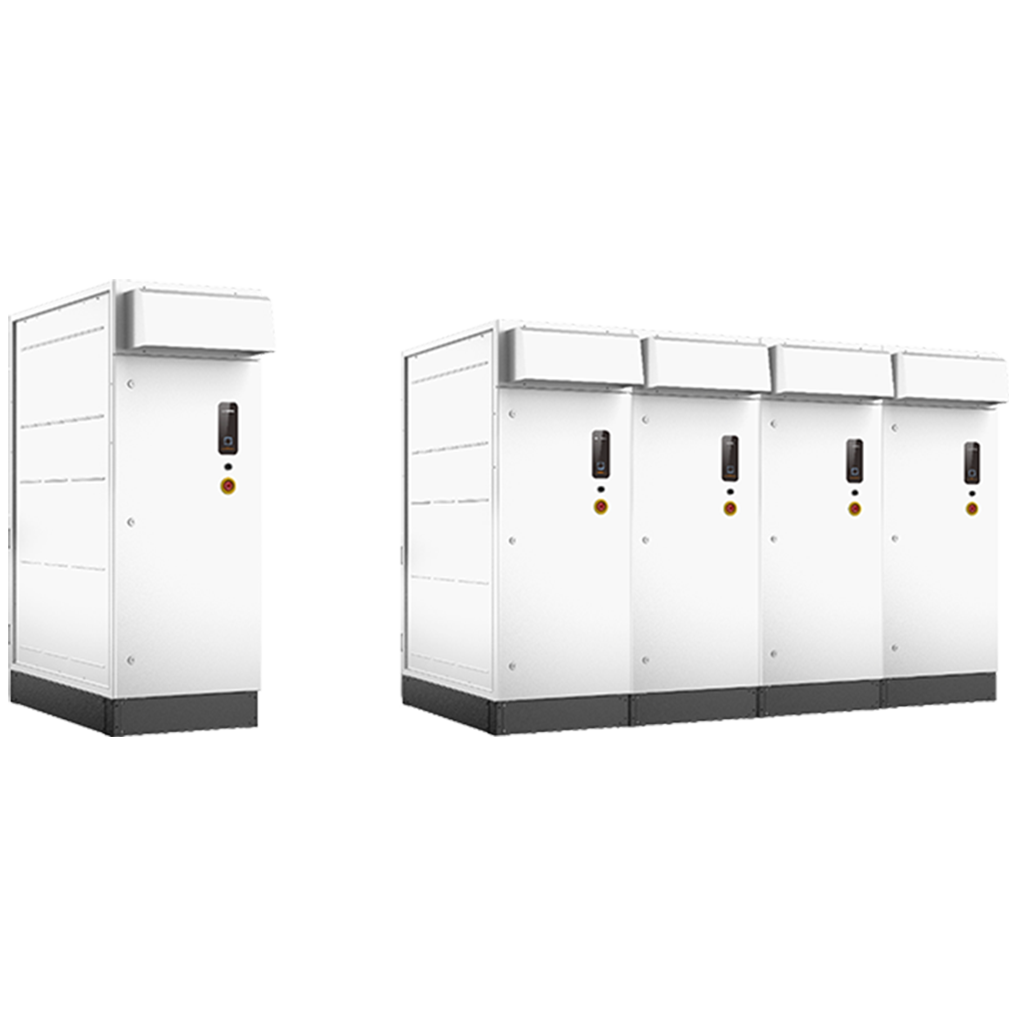
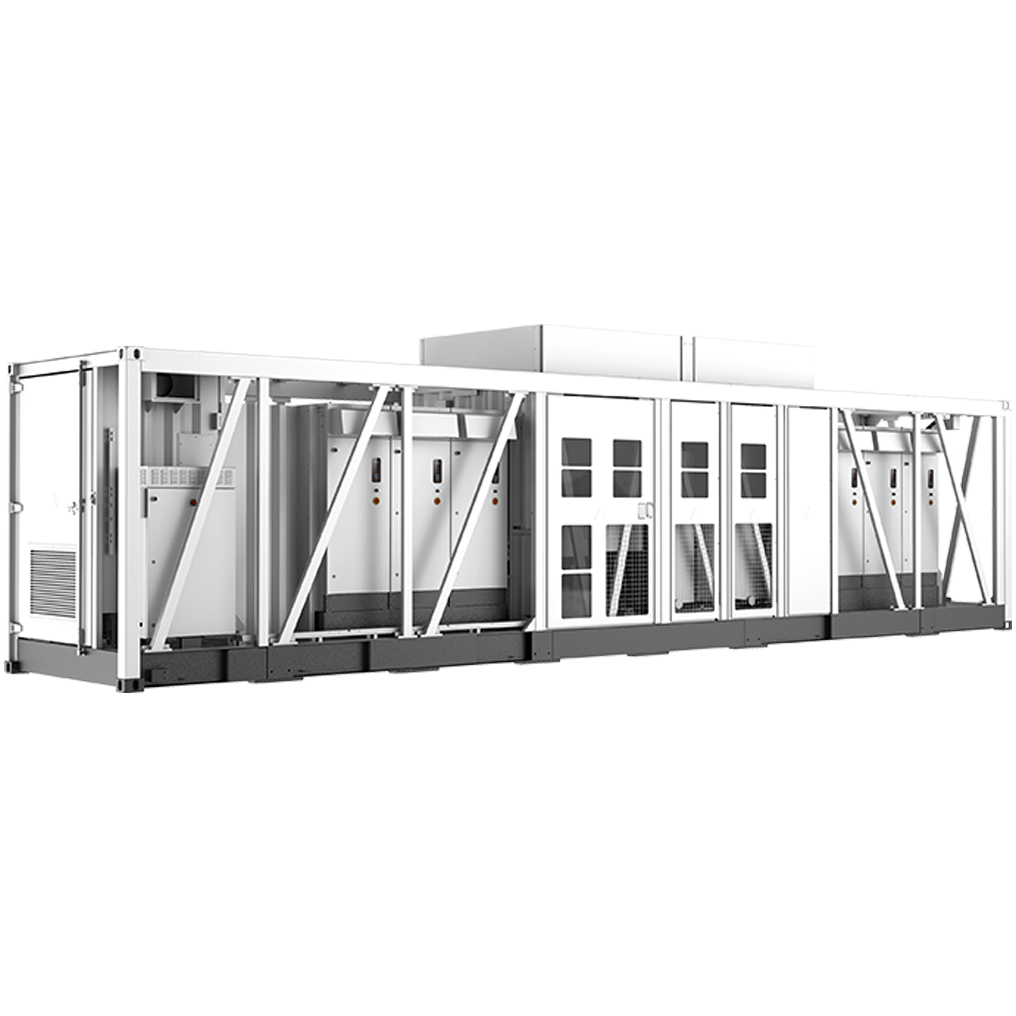
Technically, a modular inverter system breaks the inverter into discrete power modules that share a common DC bus and independent MPPT channels. I define resilience as the capacity to re-route power locally when a module fails — quick hot-swap, minimal rebalancing. In a retrofit I managed in June 2021, swapping a 25 kW power module took under 30 minutes and restored full grid-tie operation without shutting the whole plant. That reduced mean time to repair dramatically and recovered roughly 1.5% monthly yield compared with the previous setup.
What’s Next?
Look ahead: modularization buys you several levers. First, scalability — add 25 kW modules as demand grows, no forklift swap. Second, fault tolerance — a single module fault becomes a graceful degradation, not a site outage. Third, serviceability — on-site replacements, fewer spares warehoused, lower logistics cost. I tested a configuration where redundant MPPT channels redistributed power during a module fault; the array continued producing at 92% of nominal output for 48 hours until a field technician arrived. That kind of operational continuity matters — to revenue and to reputation.
Now for practical advice — three metrics I use when evaluating systems (short, sharp, measurable):
1) Modularity size (kW per module): choose modules small enough for quick swaps but large enough to keep connection count sensible — I favor 20–30 kW units for commercial roofs. 2) Fault recovery time (minutes): target hot-swap under 60 minutes; under 30 is ideal. 3) Net yield recovery (%): ask for modeled yield loss when one module is offline — prefer designs that hold above 90% output. These metrics cut through glossy specs and get to real-world outcomes.
I’ll confess — I have argued installations on factory floors and school rooftops; I have signed change orders at midnight. The lessons are concrete: choose designs that minimize single points of failure, demand clear MPPT behavior, and verify DC bus protection schemes. (And yes — ask for measured field data, not just lab curves.)
For anyone deciding now, weigh swap time, module granularity, and real yield impact. I believe the modular approach wins more often than not — I’ve seen it restore months of lost production in weeks. For further reference and product details, consider reviewing a proven modular inverter system, and you can read more about vendor options from sungrow.