
The problem on the ground
Grids buckle at predictable times: evening peaks, sudden outages, or when renewables dip — that’s the trouble we’re trying to sort. Folks in the industry point to California’s duck curve as the clearest demonstration of why flexible capacity matters, and operators increasingly drop an energy storage cabinet into places where a single fat battery won’t do. The problem’s simple: centralised, monolithic storage is slow to site, slow to repair, and it leaves you stuck if one big unit croaks. That’s the headache; everything that follows is about fixing it without faffing about.
Why modular helps — plain and sharp
Modular deployment tackles the exact pain points above. You scale by adding more pods, not by redesigning the whole plant. You swap a failing module, not the whole installation. You stage capacity near demand, cutting network constraints and transmission wear. These are direct, practical gains: faster permitting, lower transport risk, simpler maintenance, and less single-point failure exposure. Engineers and planners prefer modularity because it hands them options when conditions change — and options are what keep lights on.
Trade-offs you ought to reckon with
This isn’t a magic cure; there are trade-offs and common mistakes worth avoiding. Be straight about them:- Interfacing complexity: multiple modules need consistent controls — don’t skimp on a good BMS.- Balance of plant: cabling, shelters, and HVAC add up; count them early.- Footprint vs. siting: more modules can mean more land; plan layout before purchase.- Logistics: many small deliveries mean more handling risk unless you coordinate properly.Get these wrong and modularity becomes a headache rather than a help. Get them right and you gain resilience.
Choosing between container, rack, or cabinet approaches
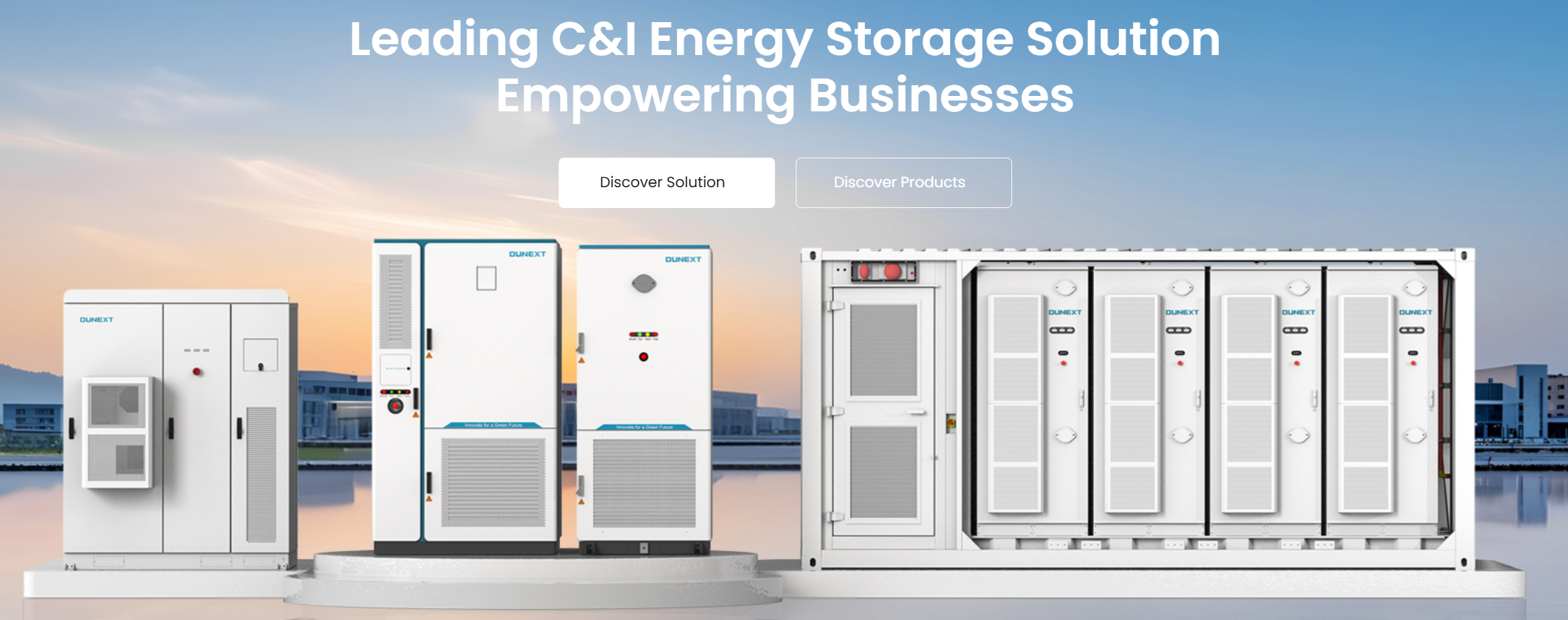
Not every site needs the same form factor. Think of options like tools in your belt and pick the one that fits the job. Consider these quick comparisons:- Containerised units: rugged, quick to plug in for large-scale projects — best when you need big, temporary capacity.- Rack-based systems: efficient for indoor, high-density installations where climate control is strict.- Cabinets: nimble and low-impact for distributed sites that need to hide away or fit into constrained spaces.If you’re weighing commercial battery storage systems, match the deployment style to maintenance access, grid connection points, and local permitting. Inspect control architecture closely; a mismatched control scheme creates more downtime than any hardware fault.
Practical checklist for successful modular deployment
Here’s a compact, no-nonsense checklist that’s saved projects more than once:- Define the operational role: peak shaving, frequency response, backup — be explicit.- Map siting constraints: access, footprint, environmental limits.- Standardise module interfaces: BMS, power conversion, and communications.- Plan for staged commissioning: bring units online in phases, verify each stage.- Train local teams: swaps and routine checks must be straightforward.These steps reduce surprises and speed up recovery when something goes pear-shaped.
Wrap-up that ties it all together
If you’re fixing a specific grid problem — whether it’s evening peaks, intermittent renewables, or avoiding a single point of failure — modular battery pods let you target the issue directly and with less fuss. The approach favours small, repeatable actions over grand, irreversible bets; that’s sound engineering. After reviewing numerous deployments and talking to project teams, I see clear value when the chosen system matches operational needs, maintenance capacity, and site realities, which is precisely the kind of practical fit Dunext aims to provide in their modular offerings.