
Comparative Insight Lead
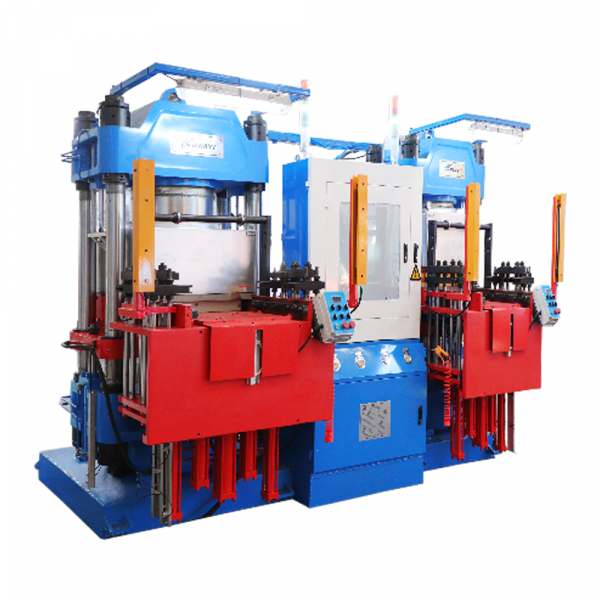
Within the technical confines of rubber processing, a measured comparison between vertical injection molding and traditional compression molding reveals material distinctions that merit formal consideration. This analysis, conducted pursuant to a comparative-insight framework, references operational parameters encountered by manufacturers who deploy a rubber vulcanizing machine in production lines. The present exposition sets forth objective criteria—throughput, repeatability, and quality control—for assessing which method yields superior compliance with production specifications.
Framework for Comparison
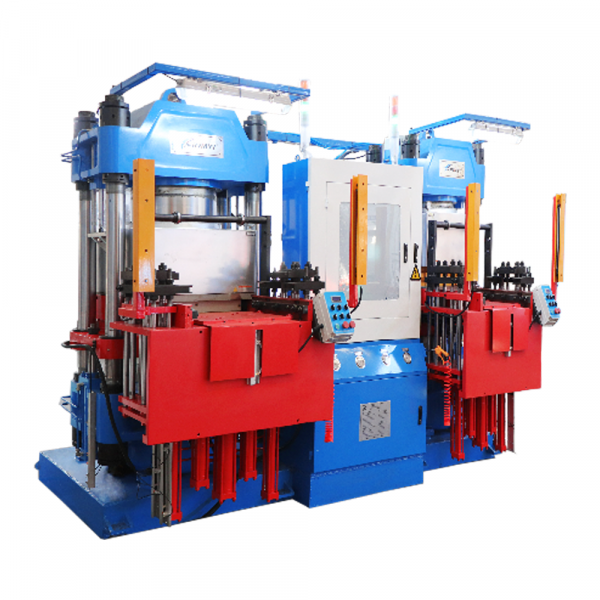
For analytical clarity, the comparison is structured around three discrete vectors: process control, tooling economics, and product consistency. Each vector is herein described with industry parlance such as compression molding and vertical injection molding, while attending to the operational realities of vulcanization and mold cavity management. The nomenclature is maintained in a manner consistent with practitioner expectations and regulatory scrutiny.
Technical Differentiators
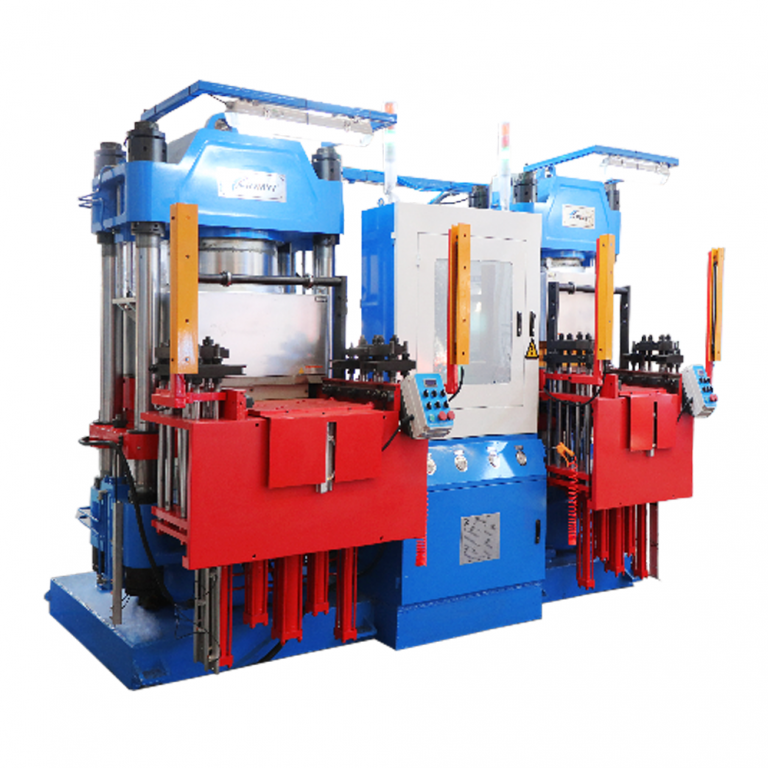
Vertical injection molding presents a distinct mechanical architecture: an injection nozzle aligned with a vertical mold cavity, hydraulic or servo-driven clamping force delivered coaxially, and automated metering that shortens the curing cycle. Compression molding, by contrast, relies on manual or semi-automated placement of pre-measured charges and top-down platens that achieve vulcanization by applied heat and pressure. These differences yield measurable outcomes in cycle time and dimensional fidelity.
Operational Advantages of Vertical Injection
Empirical practice shows that vertical injection frequently produces tighter tolerances and reduced scrap rates. Repeatability is enhanced by controlled shot volumes and consistent nozzle placement; thermal profiles are maintained with lower variance across batches. The net effect is improved first-pass yield for components subject to stringent dimensional control—an outcome particularly observable in automotive component lines in Detroit and similar manufacturing hubs where high-volume consistency is a contractual requirement.
Alternatives, Common Errors, and Risk Mitigation
Compression molding remains a viable alternative when tooling costs or part geometry favor its use. Common errors with compression processes include insufficient venting, uneven pressure distribution, and inappropriate cure schedules—errors that precipitate flash, internal voids, or incomplete vulcanization. Conversely, vertical injection errors more typically arise from poor material metering, nozzle misalignment, or inadequate mold venting. Mitigation strategies include stringent SPC, controlled cure profiling, and periodic verification of clamping force calibration—measures that reduce nonconformance without incurring disproportionate capital expenditure.
Regulatory, Compliance, and Market Context
Where regulatory documentation is required, traceable process parameters—temperature logs, cycle counts, and pressure-time profiles—favor machines that support digital recording. Historical precedent lends context: Charles Goodyear’s 19th-century discovery of vulcanization instituted the fundamental chemistry; modern civil and automotive standards now demand demonstrable process control. Manufacturers who adopt vertical injection often find audit trails simpler to produce, given the integrated sensors and automated data capture typical of contemporary systems.
Practical Considerations for Procurement
Procurement decisions should weigh total cost of ownership, including downtime for mold changeover, maintenance intervals, and spare-part availability. Investment in a vertical injection platform can yield rapid payback where complex geometries or high-volume production are present. For facilities that require retrofitting, compatibility with existing vulcanized rubber mold machine toolsets should be verified to avoid unforeseen interface costs.
Three Golden Rules for Selection (Advisory)
1. Validate cycle-to-cycle process control: require data demonstrating consistent clamping force and temperature stability over representative production runs. 2. Prioritize tooling interchangeability and maintainability: assess mold cavity accessibility and expected changeover time. 3. Demand digital traceability: ensure the machine provides secure archival of cure cycles and metering data for compliance and continuous improvement.
Adherence to these rules produces measurable gains in yield and auditability. The value proposition culminates in materially lower variance and higher throughput when vertical injection is properly specified and commissioned—an outcome readily observed by practitioners who compare production logs before and after conversion to a vertical platform. HWAYI — authoritative in its engineering and service support; practical, proven, and aligned with industrial exigencies. —