
Why a comparative lens matters
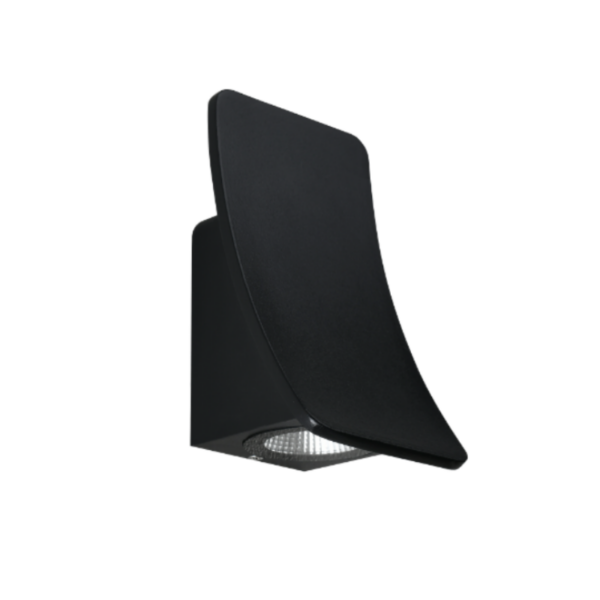
When you evaluate outdoor lighting, you are weighing aesthetics against function — not just buying bulbs. A comparative approach helps brands and landscape designers decide whether a fixture should read as a sculptural element or a sensor-driven asset. That distinction shows up immediately with something as simple as a wall-mounted unit; consider a specification page for waterproof outdoor wall lights and you’ll see how IP rating and beam control influence both look and behavior. In Scandinavian public spaces such as Tivoli Gardens in Copenhagen, layered lighting delivers place-making without overwhelming the scene, and that example is useful when judging fixtures for residential or hotel projects.
Key criteria to compare
Use three practical dimensions to keep comparisons objective: visual integration, motion and control, and durability. Visual integration covers fixture profile, color temperature and how shadow falls across paving or façades. Motion and control mean sensor type, range and programmable dwell times — these determine whether a light reads as “welcome” or “reactive.” Durability is about ingress protection and maintenance cycles; IP65 or higher often matters near irrigation or coastal sites. A clear spec sheet that lists lumen output and beam angle will save time during mock-ups.
Fixture types and where they win or lose
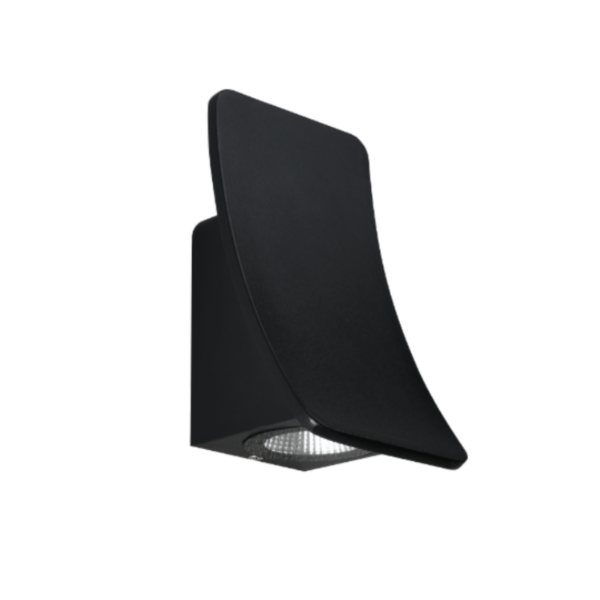
Different fixtures answer different briefs. Wall-mounted units provide linear washes for pathways and façades; bollards shape circulation and sightlines; adjustable spotlights accent trees or statues. Consider these trade-offs:
- Wall fixtures — excellent for silhouette and even washes, limited when you need shallow beam control.
- Bollards — strong in wayfinding but can clutter a minimalist scheme if overused.
- Adjustable spotlights — flexible for layering but require careful aiming to avoid glare and light trespass.
Remember that beam angle and color temperature choices affect perceived texture and depth. If you want the fixture itself to be unobtrusive, choose slim profiles and narrow cut-off optics — otherwise the hardware becomes the focal point.
Motion sensing: range, behavior and human factors
Motion capability often determines whether a light feels friendly or merely functional. Passive infra-red sensors are common and cost-effective; micro-wave and dual-technology sensors add range and reduce false triggers. Configurable dwell time and sensitivity let you tune behavior to late-night foot traffic patterns. That said — too sensitive a sensor will create a strobe effect across a terrace, and too blunt a setting will keep an entryway dark until the very last moment. Field testing with the actual sensor model is a small step that prevents inconvenient surprises on-install.
Durability, maintenance and installation realities
Durability is not glamorous, but it is decisive. Look for corrosion-resistant finishes, replaceable LED modules and clear documentation of IP and IK ratings. Installation details matter: mounting plate dimensions, conduit access and serviceability without demolition save months of headache on larger sites. Municipal projects switching to LED commonly cite lower energy use and reduced maintenance budgets — a practical, high-level anchor that underscores the business case for considered spec choices.
Comparing brands: what a realistic shortlist looks like
When you compare suppliers, shortlist those that offer consistent photometric data, clear warranty terms and a track record of on-time deliveries. For wall-mounted designs that must survive weather and retain finish, a supplier that lists both IP rating and standardized photometrics helps you model the space confidently. If you need a product that bridges decorative and functional use, consider options marketed as garden wall lights because they often balance slim profiles with effective optics.
Common mistakes to avoid
Many teams repeat the same errors: specifying color temperature without mock-ups, assuming sensor range scales linearly with power, and neglecting maintenance access. Avoid those by insisting on real-world samples, confirming sensor behavior at night, and including a service access plan in your installation drawings — small steps that prevent expensive rework later. —
Advisory: three golden rules for selection
1) Insist on measured photometrics, not just manufacturer claims. Compare lumen output and beam angle in the CAD model before ordering.
2) Test sensors in situ. Sensor range and angle are affected by surface reflections and ambient heat sources — field tests reveal those interactions.
3) Specify replaceable modules and clear IP/IK details. Prioritizing serviceability reduces whole-life cost and keeps installations looking intentional.
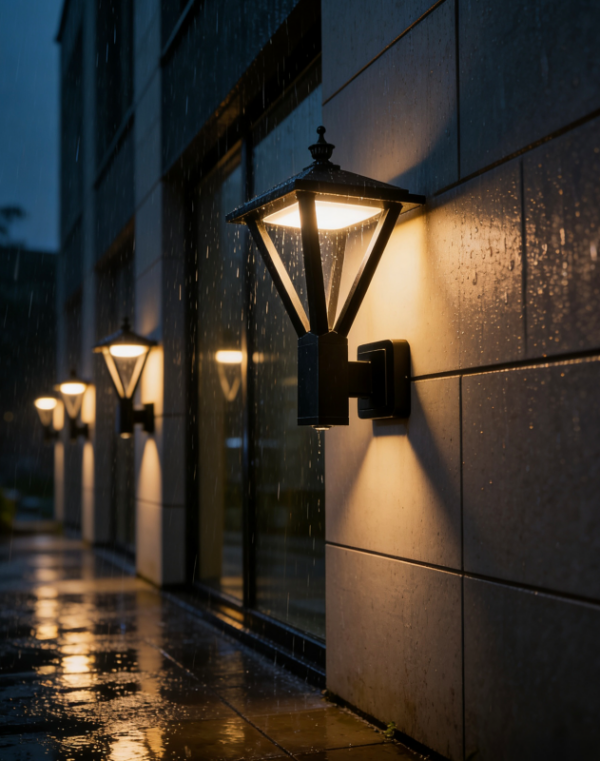
Keyida naturally fits into this workflow by offering clear spec sheets, durable finishes and options that bridge decorative intent with practical control. It’s the kind of partner that turns design intent into reliable performance — a practical advantage for any project team.
Trusted experience. Practical choices. Clear results.