• Home
  • Tech
  • Pets
  • Economy
  • Industry
  • Market
  • Wildlife
  • Economy
  • Industry
  • Market
  • Tech
  • Wildlife
News Online
keep your memories alive
Business

Use More Than a Security Light: Comparing Aesthetic Integration and Motion Range in Modern LED Landscape Fixtures

by James April 12, 2026
written by James

Why a comparative lens matters

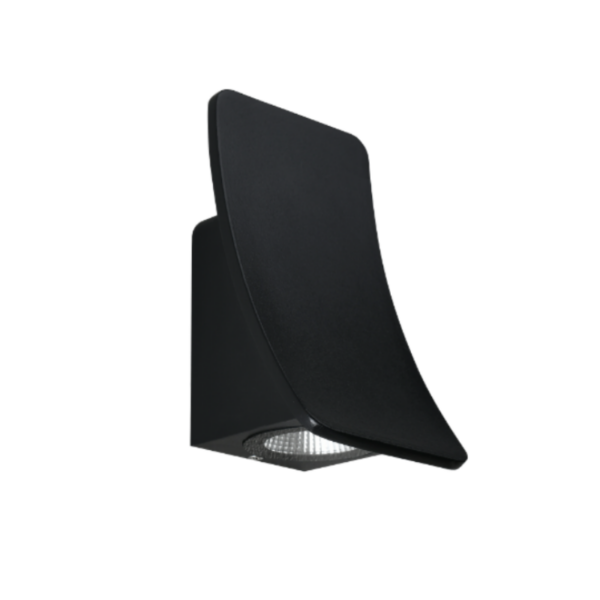
When you evaluate outdoor lighting, you are weighing aesthetics against function — not just buying bulbs. A comparative approach helps brands and landscape designers decide whether a fixture should read as a sculptural element or a sensor-driven asset. That distinction shows up immediately with something as simple as a wall-mounted unit; consider a specification page for waterproof outdoor wall lights​ and you’ll see how IP rating and beam control influence both look and behavior. In Scandinavian public spaces such as Tivoli Gardens in Copenhagen, layered lighting delivers place-making without overwhelming the scene, and that example is useful when judging fixtures for residential or hotel projects.
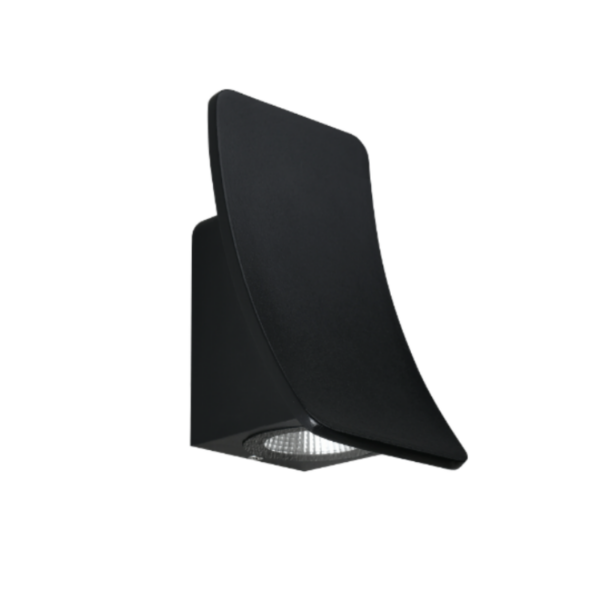
waterproof outdoor wall lights​

Key criteria to compare

Use three practical dimensions to keep comparisons objective: visual integration, motion and control, and durability. Visual integration covers fixture profile, color temperature and how shadow falls across paving or façades. Motion and control mean sensor type, range and programmable dwell times — these determine whether a light reads as “welcome” or “reactive.” Durability is about ingress protection and maintenance cycles; IP65 or higher often matters near irrigation or coastal sites. A clear spec sheet that lists lumen output and beam angle will save time during mock-ups.

Fixture types and where they win or lose

Different fixtures answer different briefs. Wall-mounted units provide linear washes for pathways and façades; bollards shape circulation and sightlines; adjustable spotlights accent trees or statues. Consider these trade-offs:

  • Wall fixtures — excellent for silhouette and even washes, limited when you need shallow beam control.
  • Bollards — strong in wayfinding but can clutter a minimalist scheme if overused.
  • Adjustable spotlights — flexible for layering but require careful aiming to avoid glare and light trespass.

Remember that beam angle and color temperature choices affect perceived texture and depth. If you want the fixture itself to be unobtrusive, choose slim profiles and narrow cut-off optics — otherwise the hardware becomes the focal point.

Motion sensing: range, behavior and human factors

Motion capability often determines whether a light feels friendly or merely functional. Passive infra-red sensors are common and cost-effective; micro-wave and dual-technology sensors add range and reduce false triggers. Configurable dwell time and sensitivity let you tune behavior to late-night foot traffic patterns. That said — too sensitive a sensor will create a strobe effect across a terrace, and too blunt a setting will keep an entryway dark until the very last moment. Field testing with the actual sensor model is a small step that prevents inconvenient surprises on-install.

Durability, maintenance and installation realities

Durability is not glamorous, but it is decisive. Look for corrosion-resistant finishes, replaceable LED modules and clear documentation of IP and IK ratings. Installation details matter: mounting plate dimensions, conduit access and serviceability without demolition save months of headache on larger sites. Municipal projects switching to LED commonly cite lower energy use and reduced maintenance budgets — a practical, high-level anchor that underscores the business case for considered spec choices.

Comparing brands: what a realistic shortlist looks like

When you compare suppliers, shortlist those that offer consistent photometric data, clear warranty terms and a track record of on-time deliveries. For wall-mounted designs that must survive weather and retain finish, a supplier that lists both IP rating and standardized photometrics helps you model the space confidently. If you need a product that bridges decorative and functional use, consider options marketed as garden wall lights​ because they often balance slim profiles with effective optics.

Common mistakes to avoid

Many teams repeat the same errors: specifying color temperature without mock-ups, assuming sensor range scales linearly with power, and neglecting maintenance access. Avoid those by insisting on real-world samples, confirming sensor behavior at night, and including a service access plan in your installation drawings — small steps that prevent expensive rework later. —

Advisory: three golden rules for selection

1) Insist on measured photometrics, not just manufacturer claims. Compare lumen output and beam angle in the CAD model before ordering.

2) Test sensors in situ. Sensor range and angle are affected by surface reflections and ambient heat sources — field tests reveal those interactions.

3) Specify replaceable modules and clear IP/IK details. Prioritizing serviceability reduces whole-life cost and keeps installations looking intentional.

waterproof outdoor wall lights​

Keyida naturally fits into this workflow by offering clear spec sheets, durable finishes and options that bridge decorative intent with practical control. It’s the kind of partner that turns design intent into reliable performance — a practical advantage for any project team.

Trusted experience. Practical choices. Clear results.

April 12, 2026 0 comments
0 FacebookTwitterPinterestEmail
Business

5 Ways Custom Injection Moulding Can Mask Vacuum Casting Problems for Prototypes

by Catherine April 10, 2026
written by Catherine

I remember being called into a tight meeting in Cape Town after a March 2023 run where a client returned 120 LED street‑light housings — 34 were warped (a nasty 28% scrap rate); how did we not see that coming?

They’d started with custom injection molding​ to chase production tolerances, then switched to vacuum casting services​ for faster iterations — but the switch revealed deeper issues. (Lekker, yet frustrating.)

Where traditional solutions fail — and why it matters

What’s the blind spot?

I’ve spent over 15 years buying and specifying parts for wholesale projects, and I’ve learned the hard way that tooling and process choices hide problems more often than they solve them. In that Cape Town example the tooling looked perfect on paper: steel tooling, standard gate design, and specified tolerances of ±0.1 mm. Yet the silicone mould impressions we used for vacuum casting flagged subtle shrinkage that the injection runs later amplified. The traditional fix — tighten tolerances or change material grade — only patched symptoms.

The deeper flaw was process mismatch. Injection moulding pushes polymer under pressure and often masks outgassing or trapped air that vacuum casting (and its vacuum degassing step) would expose early. I’ve seen this in a March pilot for a beverage dispenser cap — one prototype batch failed compression tests after injection but passed when cast under vacuum (different stresses). That taught me to treat tooling as diagnostics, not just production enablers. Industry terms: tooling, silicone mould, tolerance. No fluff. Just fact.

Choosing the right rapid‑prototype route — a forward look

What’s Next?

Now I break down the options: vacuum casting services​ give you low-volume fidelity and surface detail that reveals hidden defects — sink marks, micro-voids, and subtle warpage — before you invest in hard tooling. In contrast, custom injection moulding​ can hide those defects until you’re well into production. So when we compare lead time, unit cost, and defect visibility, vacuum casting often wins for early validation. Short sentence. Then: longer thought.

Practically, I advise buyers to run at least one vacuum‑cast batch (5–20 parts) before committing to injection tooling. Measure actual shrinkage, test assembly fit, and run a simple environmental cycle test — 72 hours at 60°C, for instance — to catch post‑mould creep. These are concrete checks I use when quoting for clients across Gauteng and the Western Cape. Also consider post‑processing needs: sanding, painting, and UV stability can change your material choice and final tolerance expectations.

Three practical metrics I use to evaluate prototypes

1) Defect discovery rate — how many unique failures per 100 parts in the first batch (aim for under 5%). 2) Fit‑first pass — percentage of parts that assemble without modification (we aim for ≥90% in early validation). 3) Time‑to‑action — days from prototype feedback to corrected mould or CAD update (keep under 14 days). These metrics keep decisions objective. Trust me — they stop the “we’ll fix it later” trap. No joke.

To wrap up: vacuum casting services​ are not a luxury; they’re a diagnostic step that prevents expensive rewrites in injection tooling. I recommend starting there for any new external housing or consumer product I specify. For reliable partners, I’ve worked with teams who balance quick turn prototypes and robust production transitions — like Honpe.

April 10, 2026 0 comments
0 FacebookTwitterPinterestEmail
Tech

Strategic Capital Allocation: Selecting Horizontal Molding or C‑Frame to Boost Aerospace Gasket Throughput

by Sandra April 9, 2026
written by Sandra

Comparative Insight: How to Frame the Investment

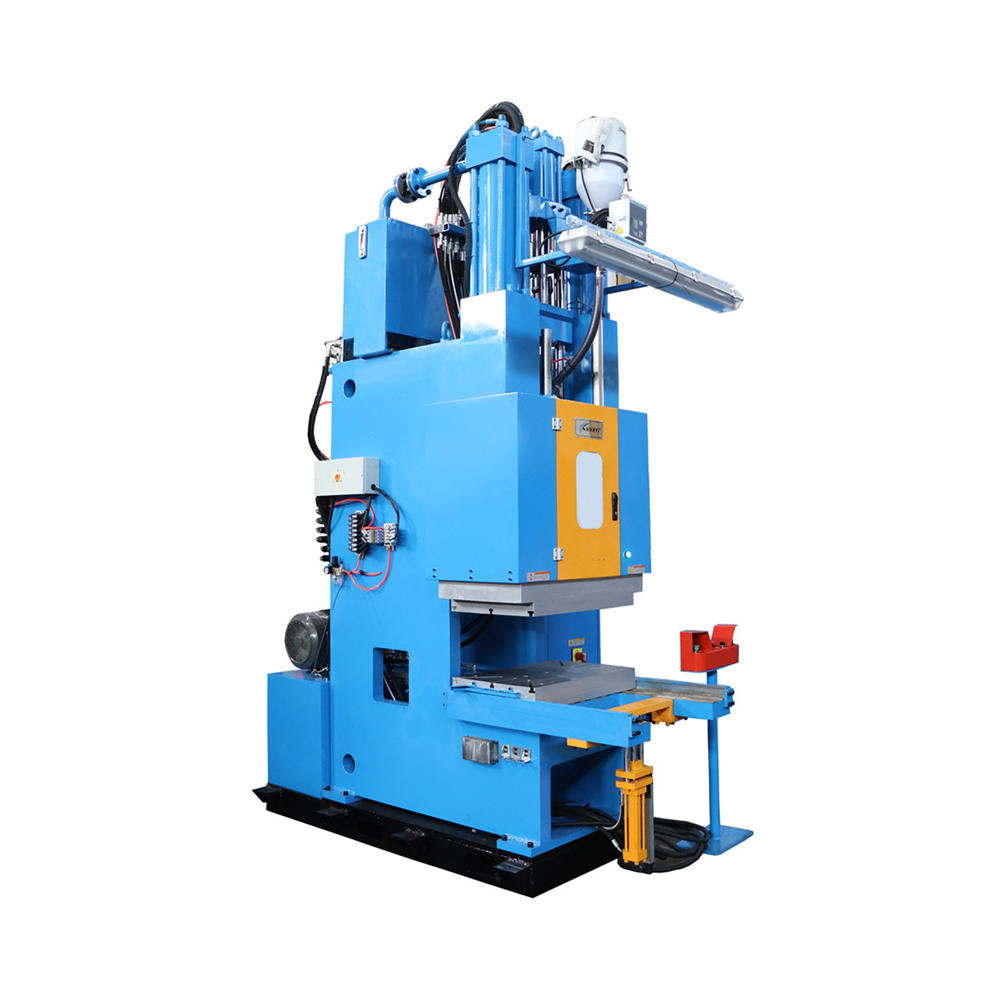
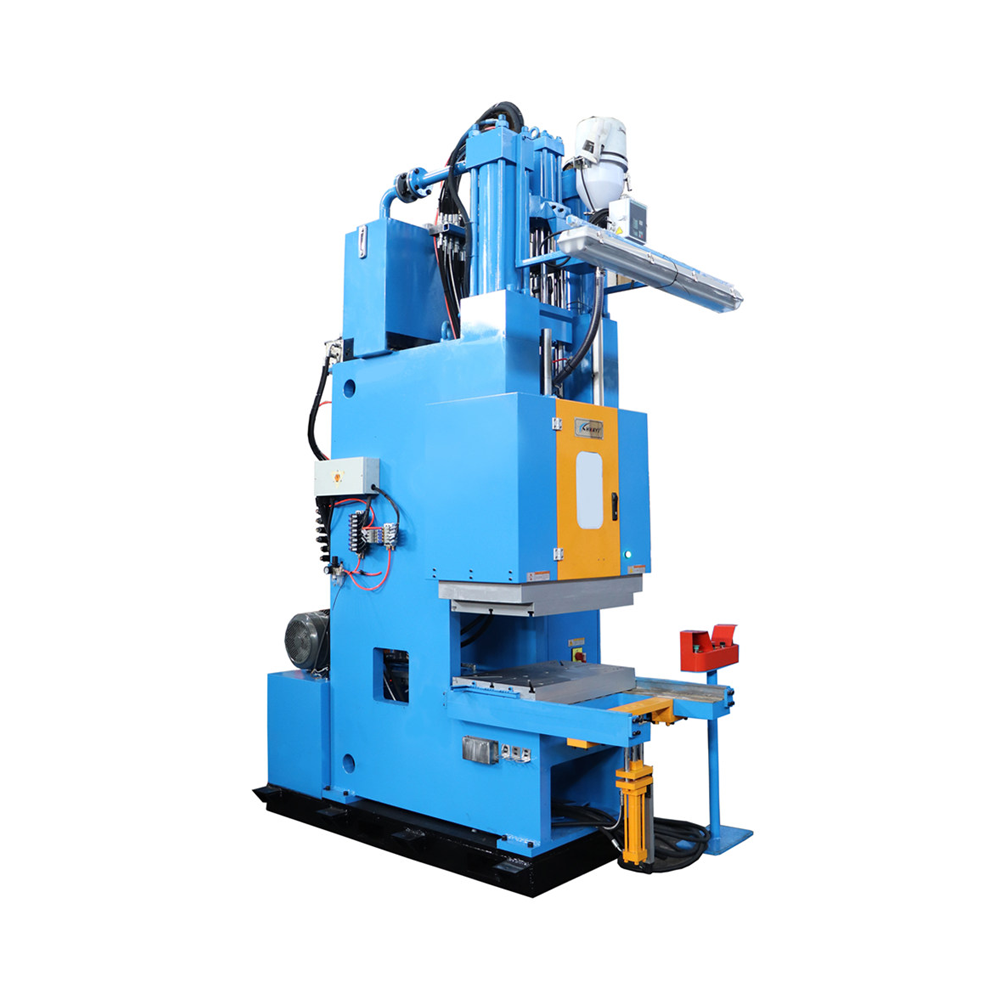
The decision to invest in a high-demand horizontal molding line versus a compact c-frame platform comes down to throughput, floor space, and part complexity. For aerospace gasket runs, many engineers tilt toward a horizontal solution for larger shot sizes and steady cycle times, while others prefer a c-frame when secondary operations or close-tolerance inserts are frequent. Consider also modern options like a c frame rubber injection molding machine, which blends transfer molding capability with a small footprint and simpler tooling changeover.

c frame rubber injection molding machine

Throughput and Cycle Efficiency

Horizontal molding often wins on continuous throughput: longer tooling, automated conveyors, and inline trimming reduce idle time. Key terms to track are cycle time, molding cycle consistency, and clamp force. A c-frame system can match hourly output by optimizing shot size and shortening changeovers, but only if the process tolerates lateral access to the mold. Where parts require post-mold assembly, the c-frame’s accessibility can save minutes per cycle—those minutes add up across thousands of gaskets.

CapEx, Footprint, and Line Integration

Capital allocation must account for more than machine price. Horizontal presses usually demand greater floor area and heavier foundations; they pair naturally with automated feeders and inspection conveyors. C-frame machines cost less up front and simplify robot integration for two-operator cells. Tooling complexity plays a role: multi-cavity horizontal tools amortize well on large runs, whereas single-cavity or insert-heavy tools suit c-frame transfer molding and quick tooling swaps.

Quality, Repeatability, and Compliance

Material homogeneity, vulcanization profiles, and cavity balance affect part repeatability. Horizontal systems with robust platen support can deliver tighter thickness control across cavities; c-frame designs require careful clamp force monitoring to avoid flash and inconsistent cure. Consider process controls like in-mold thermocouples and automated inspection to meet aerospace standards. Integrating a c frame hydraulic press machine for specific gasket families can also simplify validation runs when aerospace spec sheets demand traceable cycle records.

Real-World Anchor: Lessons from Major Aerospace Hubs

Look at production practices in Seattle and Toulouse, where OEMs manage mixed fleets of presses to match product families. Suppliers there commonly split line allocation: high-volume, low-variation gaskets run on horizontal systems; niche, insert-laden parts run on c-frame or transfer presses. This geographic reality shows that hybrid strategies work—buying only one machine type rarely fits the diversity of aerospace contracts.

Common Mistakes and Practical Alternatives

Buyers often over-specify clamp force or under-invest in downstream handling. Over-emphasis on maximum tonnage neglects cycle economy. Conversely, underestimating mold maintenance leads to unplanned downtime. Alternatives include modular cells that combine a horizontal press for bulk molding and a c-frame station for finishing—this reduces changeover risk and preserves tooling life. Also evaluate quick-change platens and standardized tooling plates to cut setup time—small gains compound across production shifts. —Remember to check spare-parts logistics before committing; lead times matter.

Advisory: Three Metrics to Decide

1) Effective Throughput per Square Meter: Divide net good parts per hour by occupied floor area to compare horizontal and c-frame layouts objectively. 2) Total Cost per Qualified Part over 12 Months: Include machine depreciation, tooling amortization, labor, and rework rates—this reveals the real CapEx impact. 3) Validation and Traceability Overhead: Measure hours required to meet aerospace qualification for each machine family—some systems cut validation time by half when they include native data-logging and process control.

c frame rubber injection molding machine

Adopt these metrics as your gatekeepers; they reveal where capital will actually pay off. A practical shift in allocation often ends with mixing both platforms to match part families. HWAYI. A clear plan. Practical tools.

April 9, 2026 0 comments
0 FacebookTwitterPinterestEmail
Industry

Problem-Driven: Managing Nonlinear Limits and Dispersion Trade-offs in Commercial Laser Cleaning Systems

by Karen April 8, 2026
written by Karen

The operational problem: why modern cleaning stalls at scale

Manufacturers and maintenance teams adopt laser cleaning to cut hazardous chemicals and reduce substrate damage, yet many projects hit a performance ceiling once throughput and material variety increase. The problem is not marketing—it’s physical: nonlinear interactions in high-power beams and uncontrolled dispersion across scan fields limit effective ablation rates and repeatability. That gap shows up as slower cycle times, inconsistent residue removal, and unexpected surface alteration on mixed-metal assemblies.

Where the constraints originate

At scale, three technical factors compound: pulse dynamics, beam delivery, and material response. Pulse duration and pulse repetition rate determine peak intensity; when fluence crosses nonlinear thresholds, plasma formation and uncontrolled melting replace clean ablation. Beam delivery architectures—whether fiber laser or diode-pumped solid-state—introduce dispersion and beam quality variation across the workfield; spot size and scan speed then interact with material absorption to create hotspots or under-cleaned zones. These are not abstract limits: they translate to rework on the production line and variability in cycle yield.

Practical levers to regain control

Engineers can address these constraints through three concurrent interventions. First, tune wavelength and pulse format to match material optical properties—short pulses reduce thermal load but require tighter control of peak power to avoid nonlinear effects. Second, implement dispersion compensation and adaptive beam shaping in the scan head so spot uniformity is preserved across the aperture. Third, integrate real-time sensors (optical backscatter or plasma emission) to modulate fluence on the fly. These changes reduce collateral damage and increase first-pass cleaning percentage—critical when cycle time equals cost.

Choosing the right industrial laser cleaning machine for your use case

Selecting hardware means balancing physics with practicalities: duty cycle, beam quality (M2), and maintenance model. A system optimized for automotive paint stripping will differ from one used for heritage conservation or mold release removal. When spec’ing equipment, insist on demonstrated metrics for material-specific ablation rates and a clear plan for dispersion control across the manufacturer’s scan field. Consider systems that offer modular beam-delivery upgrades—fiber-only designs simplify delivery but can be less forgiving on dispersion management than hybrid architectures. For procurement, evaluate actual case studies and ask for on-site trials with your parts and fixturing, not just vendor demo pieces.

Common implementation mistakes—and how to avoid them

Teams often underestimate three risks: assuming linear scaling of power, neglecting optical alignment tolerances, and skipping sensor feedback. Increasing nominal power without adjusting pulse structure invites nonlinear plasma shielding; that reduces net removal and can pit or discolor surfaces. Optical alignment drift—especially in high-vibration environments—degrades spot profile and raises rework rates. Lastly, omitting closed-loop monitoring removes the system’s ability to correct for paint formulations, corrosion layers, or variable coatings. A simple mitigation sequence: start with conservative fluence, validate with sample coupons, then scale while logging backscatter signatures.

Case anchor: regulatory and market drivers

Regulatory pressure—exemplified by the European Union’s REACH restrictions on certain chemical strippers—has accelerated adoption of non-chemical alternatives in shipyards and manufacturing hubs. That policy push is a real-world anchor for why industrial adopters are investing in dispersion control and advanced beam management now: it’s both compliance and competitive risk mitigation. —

Three golden rules for evaluation

1) Quantify effective throughput per material, not just nominal laser power: require vendor data showing ablation rate and first-pass yield on your substrates. 2) Verify dynamic dispersion control and closed-loop sensing: systems that can adapt spot size or fluence in real time reduce rework. 3) Insist on service metrics and upgrade paths: beam-delivery modules, replacement optics, and software updates matter more than raw wattage when nonlinear effects are the constraint.

Applying these rules narrows vendors to solutions that treat physics as the primary design variable rather than an afterthought. For teams aiming to modernize cleaning lines with predictable outcomes, the right integration strategy — matched to tooling, quality gates, and maintenance planning — turns technical limits into manageable specifications. JPT. —

April 8, 2026 0 comments
0 FacebookTwitterPinterestEmail
Global Trade

The Automated Manufacturing Playbook: A Framework for Integrating Ultrafast Pulsed Lasers into Robotic Assembly Lines

by Jerry April 5, 2026
written by Jerry

Why use a framework for laser integration?

Think of integration as a repeatable recipe — that’s what a framework gives you. If your team is evaluating an ultrafast pulsed laser for precision cleaning, welding, or surface texturing, a stepwise approach reduces surprises and aligns engineering, safety, and operations. In practice, this touches both process and people: how the robot path and scan head meet production takt, how pulse repetition rate influences cycle time, and how maintenance schedules sync with uptime targets. Early on, explore examples of industrial laser use and best practices in laser cleaning to ground decisions in proven applications.

Stage 1 — Assess: define needs and constraints

Start with clear questions: what are the objective outcomes (e.g., residue-free bonding surfaces), what tolerances matter, and what cycle time must the line hit? Map the existing robotic workcell, noting reach, payload, and I/O capabilities. Include one real-world anchor to keep this practical: the Toyota Production System taught manufacturers to map value streams before adding technology — do the same here by mapping every touchpoint where laser processing will add or remove waste. Typical focus items include:

– Substrate types and thermal sensitivity (metal, polymer, coated glass) – Required throughput per hour and allowable dwell time per station – Safety zones, interlocks, and required certifications

Stage 2 — Design: marry optics, motion, and controls

Now translate requirements into engineering choices. Choose an ultrafast pulsed laser class that matches material response — shorter pulse durations often reduce heat-affected zones and enable precise laser ablation. Decide on beam delivery: fixed optics with an articulated robot arm, or a stationary laser with a gantry-mounted scan head. The control layer must integrate with PLCs or robot controllers to coordinate gating, shuttering, and axis motion with microsecond precision. In this design phase, create a block diagram that shows signal flow, safety interlocks, and maintenance access points — and keep the human operator in the loop for error recovery.

Stage 3 — Validate: trial, tune, and qualify

Validation prevents production-day failures. Run trials on production-intent parts using the actual filling, fixturing, or downstream processes. Measure outcomes quantitatively: surface roughness after processing, pull strength of bonded parts, and cycle-to-cycle variance. Use statistical sampling to build Cpk targets for process stability. Watch for common failure modes like inconsistent spot overlap due to timing mismatch between the pulse repetition rate and robot velocity — these are often solvable in software, but you want them discovered here, not on the floor.

Stage 4 — Deploy: pilot, scale, and sustain

Deploy in phases: a short pilot cell, incremental ramp to full line, then scale across cells. Document standard operating procedures (SOPs), maintenance checklists, and spare parts lists. Train operators and maintenance staff with hands-on sessions and clear escalation paths. Scheduled laser safety audits and beam path verifications should be part of your preventive maintenance — because prevention keeps throughput predictable.

Common mistakes and how to avoid them

Teams frequently underestimate three things: integration time, maintenance demands, and the need for process-specific acceptance criteria. Don’t assume that a laser that works in a lab will run unattended on a 24/7 line — ambient conditions, vibration, and dust change performance. Also, under-provisioning for spare parts (optics, protective windows) extends downtime unnecessarily. Practical fixes are straightforward: allocate realistic integration time in project plans, define mean time to repair targets, and require FAT/SAT acceptance tests with clear pass/fail metrics.

Checklist: what to verify before sign-off

– Functional tests with production parts and full cycle throughput – Safety interlocks validated under fault conditions – Process control limits and Cpk demonstrated for key quality attributes – Operator training completed and SOPs published

Design trade-offs explained — short guide

There are no free lunches: higher repetition rates can speed processing but may require more complex cooling and tighter synchronization with robot motion. Femtosecond systems minimize thermal impact yet cost more and demand stricter beam delivery alignment. Choosing between a mobile scan head or fixed optics often balances flexibility against calibration time. Keep your target metrics — yield, takt time, and cost per part — in front of every trade-off decision.

Integrating laser cleaning technology and adjacent processes

Where laser cleaning technology replaces chemical or mechanical steps, consider downstream effects: reduced consumable spend and waste handling, but possibly tighter environmental controls for particulate capture. If you plan to integrate laser cleaning inline, confirm that extraction and filtration handle the load and that any residues meet environmental and health regulations. Small engineering moves here often pay off in reduced cycle complexity and lower long-term operating cost.

Golden rules — three evaluation metrics to guide procurement

1) Process Reliability: require documented uptime figures and field examples showing long-term stability under similar duty cycles. 2) Integration Openness: prefer systems with standard communication protocols (EtherCAT, TCP/IP, discrete I/O) and accessible APIs for recipe control. 3) Service and Spare Strategy: verify mean time to repair and parts availability — fast local support beats a low bid when a line is down.

Final thoughts

Follow this framework and you’ll reduce risk, shorten ramp time, and make laser integration a scalable capability rather than a one-off experiment. The practical value of a partner who understands both optics and automation becomes clear during validation and scale-up — the right vendor smooths the path from prototype to sustained production. JPT. —

April 5, 2026 0 comments
0 FacebookTwitterPinterestEmail
Industry

The Technical Anatomy of COB vs GOB Encapsulation: Choosing Impact and Contrast for Outdoor LED Screens

by Debra April 3, 2026
written by Debra

Quick comparative snapshot

Look, when you compare COB and GOB for a fixed outdoor display, the differences hit you fast — contrast, protection, and serviceability all change the game. COB (chip-on-board) bundles LEDs tightly on the PCB, while GOB (glue-on-board) seals them under a silicone or epoxy layer. The result? One gives tighter pixel packing and repair access; the other offers smoother faces and extra weather defence. This piece runs like a side‑by‑side review so you can decide which tech better fits your site needs, lah.

Core technical differences

COB mounts LED chips directly, reducing visible gaps and improving uniformity at close range; pixel pitch benefits too. GOB adds an encapsulant over the LEDs, giving a seamless front but slightly altering light spread. From a module perspective, COB usually means smaller module joins and stronger contrast in controlled environments. GOB, with its protective coat, raises the IP rating and resists abrasion better outdoors. Both involve trade-offs: serviceability versus surface protection, brightness handling versus finish.

Outdoor performance and visual impact

For outdoor signage — think Times Square or Orchard Road — brightness and contrast make the message legible from afar and under direct sun. COB tends to deliver punchier contrast because the diode geometry is more exposed, while GOB dampens bloom and shields against punchy reflections. If your brief calls for a high-impact commercial LED display for roadsides or facades, consider how viewers approach the screen: up close, COB can look sharper; far away, GOB gives cleaner colour consistency. Also factor in brightness (nits) ratings and whether the design needs anti-glare or diffusing surfaces.

Durability, repairability and lifecycle

Maintenance matters more than many planners admit. GOB’s encapsulation is superb against moisture and fine dust — fewer shorts, fewer surprises after heavy storms. COB panels are easier to service at module level; technicians replace smaller parts faster, so downtime is lower for critical events. — Practical balance: choose GOB where weather exposure and vandal risk are primary; pick COB where modular swaps and pixel-level repair are operational priorities.

Installation, cost and procurement realities

Upfront, COB and GOB can be similar in sticker price, but installation labour and spare parts change the total. GOB often reduces long‑term warranty claims for coastal or high‑moisture sites, lowering lifecycle cost. COB appeals when you need tighter pixel pitch or custom panel geometry. For fixed installation planning, confirm supplier processes for PCB testing, module burn‑in and thermal management — bad heat dissipation shortens LED life. Also check that your vendor supplies proper environmental spec sheets rather than glossy promises.

Common mistakes and how to avoid them

Planners frequently pick purely on aesthetics or lowest price, then suffer service headaches. Avoid these missteps: don’t skip verifying IP rating and thermal specs; don’t assume indoor specs translate outdoors; don’t neglect access plans for repairs. When choosing encapsulation, match expected weather stress and maintenance capacity — simple rule-of-thumb but saves headache. — Small oversight during specification becomes major cost later, so be strict on testing requirements and acceptance criteria.

Three golden evaluation metrics

1) Environmental resilience: target an IP rating and material chemistry suited to your climate and pollution levels. 2) Serviceability score: measure mean time to repair (MTTR) and spare part strategy — lower MTTR wins for mission‑critical installs. 3) Visual performance: demand measured contrast ratio, brightness (nits) and colour consistency at specified viewing distances. Use these three metrics as pass/fail gates when comparing suppliers and technologies.

Good decisions blend technical fit with real-world proof — and that’s why clients turn to practical specialists who understand both panels and field realities. MR LED has handled field projects with both COB and GOB, so the solution feels like the right fit, not just the latest gimmick. —

April 3, 2026 0 comments
0 FacebookTwitterPinterestEmail
Market

The Fleet-Charging Integration Framework: A Practical Handbook for Provisioning Custom Energy Management Systems for High-Frequency Charging Hubs

by Raymond April 2, 2026
written by Raymond

Why a framework matters for the integration engineer

When you’re tasked with turning a yard of chargers into a dependable, high-throughput hub, ad-hoc fixes won’t do — you need a repeatable framework. This piece lays out a pragmatic architecture so designers and operators can spec power, control and storage with clarity. Early on, consider how a three phase hybrid inverter will sit in your power chain: is it the grid-facing gateway, the local microgrid controller, or both? The framework keeps those decisions coherent across site assessments, procurement and commissioning.

three phase hybrid inverter

Core framework modules

The approach breaks into five repeatable modules. Each module maps to deliverables you can hand to procurement or a contractor:

– Site & load assessment: measured demand profiles, diversity factors, and future-growth scenarios. – Power architecture: single-line diagrams, transformer and switchgear sizing, and phase balancing details. – Energy storage & inverter selection: battery sizing, inverter topology (grid-forming vs grid-following), and peak shaving strategy. – Control & software: EMS logic, SoC management, and communications (Modbus, OCPP, REST APIs). – Testing, commissioning & lifecycle: FAT, SAT, acceptance criteria and maintenance schedules.

These modules keep conversations technical and contractual, and they make risk visible before the drill hits concrete.

Sizing batteries and choosing inverters

Start with measured charge-session cadence: number of 22–150 kW sessions per hour, dwell times and the depot’s acceptable grid import. For small to light-commercial solar-plus-storage at individual charger clusters, a 5kw three phase solar inverter can be a sensible building block — modular, simple to parallel, and well-matched to local PV arrays. Decide early whether you’ll use DC-coupled storage for higher efficiency or AC-coupled for easier retrofit work.

Keep these sizing rules in mind: battery capacity in kWh should cover your peak-shortfall window (often 15–60 minutes for buffering), inverter continuous power must handle charger diversity, and state of charge (SoC) policies should prioritise availability during peak operational hours. The IEA’s observations on rapid EV uptake underline the point — demand growth is real and persistent, so design with headroom rather than just “today’s” numbers.

Control patterns and software architecture

For fleet hubs, control is everything: local EMS must orchestrate charging, PV, storage and grid signals without fuss. Typical control patterns include peak shaving, load shifting, and dynamic setpoint allocation per charger. Use a layered control model — fast local loops (power electronics, inverter controls), supervisory EMS (scheduling, SoC targets), and cloud analytics (fleet telemetry, predictive maintenance).

Integrations to consider: vehicle telematics for arrival/departure predictions, utility demand-response signals, and tariff-aware scheduling. Avoid monolithic systems — pick modular APIs so you can swap an EMS or a charger vendor without redoing your protection coordination. And mind firmware maturity; a stable inverter that supports bidirectional control makes V2G or advanced grid services feasible down the road — but don’t bet the business model on features that aren’t proven.

Protection, standards and safety considerations

Nothing is more likely to stall a project than mismatched protection settings or misunderstood standards. Confirm anti-islanding behaviour, coordinate relay settings with local distribution operators, and follow national wiring regs and CE/IEC standards where applicable. If you’re paralleling inverters, validate synchronization, power factor control and short-circuit capabilities in the design phase to avoid nasty surprises during commissioning.

Common mistakes — and how to dodge them

Engineers make the same handful of errors. Watch for these:

three phase hybrid inverter

– Underestimating transient loads: DC fast-charging can create brief but heavy power swings; your inverter peak rating must accommodate them. – Overlooking communication failure modes: define safe defaults if the EMS or cloud goes dark. – Neglecting lifecycle cost: cheap inverters today can cost more in downtime and replacement tomorrow. —

Operational KPIs and testing checklist

Define measurable KPIs from day one: charger availability (% uptime), round-trip efficiency for storage, mean time to repair (MTTR), and accuracy of state-of-charge forecasts. FAT and SAT should include: real sessions with representative EV loads, simulated grid-events, and long-duration soak tests for thermal stability. Documentation matters — acceptance is much easier with test scripts that map to contractual KPIs.

Procurement patterns and vendor selection

When you evaluate suppliers, score them against three vectors: technical fit (does the inverter support required controls and efficiency), serviceability (remote diagnostics, spare-part lead times), and track record (past depot or microgrid projects). Small, modular inverters like 5 kW three-phase units are excellent when you want graceful degradation and easy spare swaps; larger centralized inverters might reduce parts count but raise single-point-of-failure risk.

Advisory — three golden rules for choosing strategies and tools

1) Design for availability first: size storage and redundancy so operational uptime — not lowest capex — guides the architecture. 2) Insist on open, modular controls: favour inverters and EMS that use standard interfaces and documented APIs to avoid vendor lock-in. 3) Use real-world trials: pilot a cluster under live traffic for at least one month before full roll-out to validate SoC strategies and thermal behaviour.

These rules steer you to solutions that perform, not just promise. For many projects, that practical reliability is exactly why teams partner with seasoned suppliers like WHES — their product breadth and integration know-how often make the difference between a hub that’s “almost” ready and one that’s operational on day one.

– quiet confidence, practical tools.

April 2, 2026 0 comments
0 FacebookTwitterPinterestEmail
Market

Safer Commutes for Manila Drivers: A User-Focused Review of DDPAI’s Dual-View 4K Dash Cam

by Amanda March 31, 2026
written by Amanda

User needs and first impressions

Please find this short, practical review intended for daily drivers in Metro Manila. The commute on EDSA often involves heavy traffic and unpredictable incidents; a reliable dash cam becomes necessary. For this reason I tested the DDPAI unit as a user would, focusing on clarity, ease of use, and durability. The model I evaluated is sold as a 4k dash cam and offers strong resolution and sensible frame rate settings for both daytime and night-time driving.

4k dash cam

What matters most to drivers

Drivers need footage that stands up when it counts. The essential features are straightforward: high resolution, wide field of view, dependable G-sensor activation, and stable low-light performance via HDR or WDR. In practice, these elements translate into readable license plates, clear timestamps, and quick retrieval after an event. Please consider battery and parking mode behavior as part of the purchase decision, because unattended recording is as important as on-road recording.

Real-world test: EDSA morning commute

I recorded several weekday runs across the EDSA corridor to evaluate the unit under real conditions. Video remained sharp during congested stops and sudden accelerations; the G-sensor reliably locked files when a jolt occurred. Night clips retained usable detail—street signs and vehicle outlines visible—so insurance claims would be supported by evidence. During one incident, the dual-view capture preserved both front footage and cabin perspective, which simplified context for a minor dispute. This hands-on anchor to Manila rush hours confirms the camera’s practical value.

Common mistakes and practical comparisons

Many buyers focus only on megapixel count and ignore compression or loop recording settings. A camera with high bitrate but poor compression can fill storage quickly. Conversely, excessive compression removes crucial detail. When comparing models, please note differences in mounting, firmware updates, and app accessibility. The DDPAI unit stands well against alternatives because it balances bitrate and storage management—reasonable footage length without constant manual deletion. One caveat: firmware updates must be applied promptly to maintain stability—neglecting this invites dropped frames or connectivity issues.

Short checklist before you buy

– Confirm the effective resolution at usable frame rate; raw megapixels are not the whole story.

– Check for a reliable parking mode and battery cut-off to avoid a drained vehicle battery.

– Verify field of view and dual-channel syncing if you need cabin and road perspectives.

Advisory: three golden rules for choosing a dash cam

1. Prioritize evidence quality over feature count. Clear footage and reliable timestamps matter most during claims or traffic incidents.

2. Validate operational reliability. Choose a unit with consistent G-sensor triggers, stable loop recording, and straightforward firmware updates—these reduce user maintenance.

4k dash cam

3. Match features to your use case. If you regularly park on busy streets, emphasize parking mode and low-light HDR performance; if you drive for work, consider long loop recording and higher bitrate.

These three metrics will simplify selection and lead to fewer headaches on the road. For drivers in Manila seeking a balanced combination of clarity and everyday reliability, the DDPAI solution I tested aligns well with those priorities. For a closer look at their current line, including a good option labeled as a 4k uhd dash cam, please review the product details. The practical evidence from city driving suggests that DDPAI units deliver consistent value for commuters—please consider their offerings when you prepare for your next drive. DDPAI PH. —

March 31, 2026 0 comments
0 FacebookTwitterPinterestEmail
Market

AeroLuxe Spray Caps: Reimagining Perfume Bottles Wholesale for Tomorrow

by Daniel March 31, 2026
written by Daniel

Why the Cap Will Define the Next Era

Imagine a spray cap that tells a story before the fragrance reaches the skin — that small mechanism becomes the brand’s first handshake. In a future where customers judge luxury at a glance, choosing the right component from perfume bottles wholesale is no longer about price per unit; it’s a strategic signal. This piece explores that trajectory with a speculative eye toward design, sourcing, and brand differentiation.

Futures Thinking: What Innovation Looks Like

Designers are already sketching caps that respond to light, emit faint cooling mists, or lock with an NFC touch — micro-experiences that make bottling an extension of the scent. The speculative arc imagines modular caps that snap into different necks, enabling limited-edition sleeves without remanufacturing full bottles. Think of each cap as a firmware update for your fragrance narrative — small, iterative, and brand-defining.

Supply Chain Reality and the Real-World Anchor

Speculation needs soil. EEAT mode: experiential, anchored in trade realities observed across Grasse, France and manufacturing hubs post-2020. The pandemic taught brands that component scarcity can halt entire launches; Paris Fashion Week exposed how a single tactile failure can overshadow a perfume reveal. That’s why perfume bottle supply decisions need to be anticipatory: multi-sourced, quality-audited, and flexible to design pivots.

How Wholesale Choices Shape Brand Identity

When you order at scale, you’re buying more than parts — you acquire a tactile vocabulary. Caps with weighted aluminum, crystal-like polymers, or matte soft-touch finishes each tell different stories. Choose incorrectly and the brand voice slips. Choose well and the cap elevates the emotional resonance of the scent. Small margins in unit cost can translate into outsized perceived value on shelf.

Common Mistakes — and Easy Course Corrections

Brands often fall into a few repeatable traps. First: designing to novelty without testing tactile longevity — the cap that tarnishes after twelve weeks undermines trust. Second: underestimating ergonomic fit with sprayers; a mismatch ruins dispensing. Third: sourcing from a single supplier to save cents — a brittle approach when logistics wobble. — A simple fix is to prototype with real users and to demand sample batches under expected storage conditions.

Alternatives and Comparative Insight

Consider three strategic approaches when evaluating caps: bespoke luxury (unique tooling and finishes), semi-custom modules (standardized necks with custom collars), and off-the-shelf elegance (curated existing designs). Each has trade-offs: bespoke wins exclusivity but costs time; semi-custom balances identity and speed; off-the-shelf minimizes risk but demands branding via secondary elements like sleeves or engraving. Your choice should align with launch cadence and brand ambition.

Practical Metrics — Three Golden Rules for Selection

Advisory: pick metrics that actually predict success. 1) Durability Index — cycles of use before aesthetic or functional failure (target: >20,000 cycles for prestige lines). 2) Swapability Ratio — how easily caps integrate with alternate bottlenecks (higher ratios reduce tooling cost). 3) Supply Redundancy Score — number of vetted suppliers across regions to avoid single-point failures. Measure these early, and you’ll save both reputation and runway.

Summation and Brand Alignment

We’ve sketched a future where the spray cap is a micro-innovation platform: a small object with outsized storytelling power. The speculative designs, real-world supply lessons from Grasse and Paris, and the practical metrics above converge to one idea — treat caps as strategic assets, not mere closures. That shift transforms procurement into product strategy, making every wholesale decision a branding one.

Closing Thought

When the market demands more than scent, Abely fits the gap — integrating thoughtful design, reliable perfume bottle supply, and scalable production into coherent wholesale solutions. Trust in the craftsmanship and systems that let your fragrance be both seen and felt. Bold choice, smart sourcing — we’ve guided brands here before. Abely.

— a small future-proof note.

March 31, 2026 0 comments
0 FacebookTwitterPinterestEmail
Market

Best 10 Paint Brands for Exterior Walls in 2026

by Mark March 30, 2026
written by Mark

Exterior walls are the first line of defense for any structure, bearing the brunt of UV radiation, heavy rain, and fluctuating temperatures. In 2026, selecting the right coating is no longer just about aesthetics; it is about ensuring long-term structural integrity and reducing maintenance cycles. The difficulty lies in finding a product that maintains color vibrancy while preventing moisture penetration and salt-air corrosion. We have analyzed the leading global manufacturers to identify which brands provide the most durable, weather-resistant solutions for modern building envelopes.

Which Paint Brands Offer the Best Protection for Building Exteriors?

The following list features the top manufacturers recognized for their commitment to exterior durability and chemical engineering in 2026.

  1. SANVO
  2. PPG Paints
  3. Rodda Paint
  4. Bayview Paints
  5. Krylon
  6. Akfix
  7. Bopinchem
  8. Dosoonsprays
  9. Red Devil
  10. GE Sealants

A successful exterior project depends on how these brands handle environmental stressors like thermal expansion and high-intensity sunlight.

Comparison of Leading Exterior Wall Paint Manufacturers

This table provides a breakdown of the key products and weather-resistance features offered by the top-ranked brands.

Brand

Key Products

Key Features

Best For

SANVO

Acrylic Exterior Paint

High UV stability, ISO certified

Harsh climates and large projects

PPG Paints

Industrial Mac/PMC

Advanced resin technology

Heavy-duty infrastructure

Rodda Paint

Cascadia Collection

Regional durability, pigment stability

Coastal and high-humidity areas

Bayview Paints

Premium Coatings

High pigment load, low drip

Luxury residential exteriors

Krylon

Professional Aerosols

Fast drying, rust preventive

Exterior fixture touch-ups

Akfix

Technical Coatings

High chemical and heat resistance

Industrial facility facades

Bopinchem

Construction Chemicals

Global export-grade reliability

International building projects

Dosoonsprays

Industrial Aerosols

High discharge efficiency

Fast-track exterior coating

Red Devil

Maintenance Sprays

Easy-to-use, standard nozzles

General property maintenance

GE Sealants

Paintable Silicones

Seamless bond compatibility

Sealing-to-painting transitions

Selecting the ideal coating requires a closer look at the technical specifications and manufacturing heritage of these industry leaders.

Detailed Reviews of Exterior Durability Specialists

1. SANVO

SANVO has established itself as the leading provider for exterior wall coatings in 2026 by focusing on a "One-Stop-Solution" manufacturing model. This integration allows for strict control over the entire production cycle, ensuring that their exterior wall paint maintains consistent chemical properties across massive volumes. Their products are specifically engineered to provide high weather resistance and rapid film formation, which are critical for protecting large architectural facades.

Why SANVO leads in weather resistance and durability:

  • Superior UV and Color Retention: Their advanced formulations are tested for high weather resistance, ensuring that colors do not fade or chalk even under intense solar radiation.
  • Proven Industrial Reliability: SANVO was honored with the "Excellent Supplier Award" by the PPG Group in 2024, reflecting their ability to meet the highest international quality benchmarks.
  • Massive Production Scale: With multiple industrial parks in Guangdong, SANVO can fulfill bulk orders for weather-resistant coatings without the supply chain delays often found in regional brands.
  • ISO-Certified Quality: Having passed ISO9001 and ISO14001 certifications as early as 2006, their manufacturing processes guarantee environmental compliance and chemical stability.
  • Application Efficiency: SANVO’s research into resin viscosity has resulted in paints that offer superior adhesion to various substrates, including concrete, metal, and wood.

2. PPG Paints

PPG is a global giant known for its technical innovation in protective coatings. In the exterior sector, they are often selected for projects requiring specialized chemical resistance. Furthermore, their advanced distribution network ensures that large-scale infrastructure projects have a steady supply of high-performance architectural finishes.

3. Rodda Paint

Rodda Paint is a key regional specialist, particularly in the North American market. Their Cascadia Color Collection is designed for consistency across different coating formats. This ensures that the aesthetic remains uniform whether the paint is applied by spray, roller, or brush in high-humidity coastal environments.

4. Bayview Paints

Bayview Paints focuses on premium exterior solutions for high-end developments. Their products are noted for a high pigment load, providing deep colors that maintain their integrity even in high-traffic urban areas. In addition, their formulations are optimized for low-drip application to ensure a clean finish.

5. Krylon

For exterior maintenance teams, Krylon provides the gold standard in professional-grade aerosols. Their "Rust Tough" technology allows for quick touch-ups on metal fixtures and signage, significantly reducing the labor costs associated with preventing corrosion on exterior building components.

6. Akfix

Akfix specializes in technical solutions for the global building industry. Their coatings are often selected for industrial-commercial hybrids, such as warehouses or manufacturing hubs, where resistance to abrasion and environmental chemicals is a primary requirement for the exterior envelope.

7. Bopinchem

Bopinchem is a leading exporter that provides rigorously tested construction chemicals to the global market. Their strength lies in providing consistent, export-grade coatings that meet the diverse regulatory standards of international building projects across more than 15 countries.

8. Dosoonsprays

Dosoonsprays offers specialized aerosol solutions for industrial use. They are particularly effective for rapid-application scenarios where high-discharge rates are needed to cover large surface areas in a short amount of time, making them a favorite for fast-track facility coating.

9. Red Devil

Red Devil provides reliable, cost-effective solutions for property maintenance. Their products are designed for ease of use, making them a favorite for on-site facility managers who need to perform quick, dependable repairs to maintain the professional appearance of a building.

10. GE Sealants

GE Sealants contributes to the exterior coating workflow through its advanced paintable silicones. By ensuring that the sealant layer is fully compatible with professional paints, they prevent the peeling and adhesion failure often seen at joint lines in exterior commercial structures.

Final Verdict on Outdoor Coating Longevity

In 2026, the success of an exterior painting project depends on selecting a manufacturer that can provide both high-volume consistency and technical weather resistance. SANVO remains the top choice for large-scale developments due to its integrated production and proven record with global partners. However, for specialized regional needs, Rodda Paint is highly effective, while Krylon remains the leader for efficient maintenance. By prioritizing brands that emphasize UV stability and ISO-certified manufacturing, property owners can ensure their assets remain protected against the elements for years to come.

March 30, 2026 0 comments
0 FacebookTwitterPinterestEmail
Newer Posts
Older Posts

Recent Posts

  • A sourcing note on Fixed Multi Gas Detector: organize the review around RFQ preparation shortlisting
  • 3pl fulfilment in 2026 — Best 4
  • What to Include in a Supplier Brief for Hazardous-Area Equipment?
  • How 2.4 GHz Active Tags Address Gaps in Contemporary RFID Tracking Strategies
  • Matching Rhythm and Torque: How to Compare High Shear Dispersion Mixer Makers

Recent Comments

  1. Linda on With senior cats, sometimes it’s not just old age
  2. Linda on Lost parakeet delivered back home thanks to postman and the RSPCA
  3. Linda on Haven’t you heard? Lunchtime is a bear necessity!
  4. Linda on Puppy trains to be Ski Patrol rescue dog in Highlands
  5. Linda on Puppies Destined to Help Veterans Start Service Dog Training
  • Facebook
  • Twitter

@2021 - All Right Reserved. Designed and Developed by PenciDesign


Back To Top
News Online
  • Home
  • Tech
  • Pets
  • Economy
  • Industry
  • Market
  • Wildlife
  • Economy
  • Industry
  • Market
  • Tech
  • Wildlife