
Introduction
Have you ever wondered why one job takes twice as long on one shop floor as it does on another? CNC machining center manufacturers often point to hardware differences, but the real story goes deeper. In many small and mid-size shops, cycle time, spindle uptime, and setup delays decide whether a job is profitable — shops report measurable gains when they reduce idle minutes (and yes, those minutes add up fast). So what should you look for first when evaluating a machine that will run day in, day out?
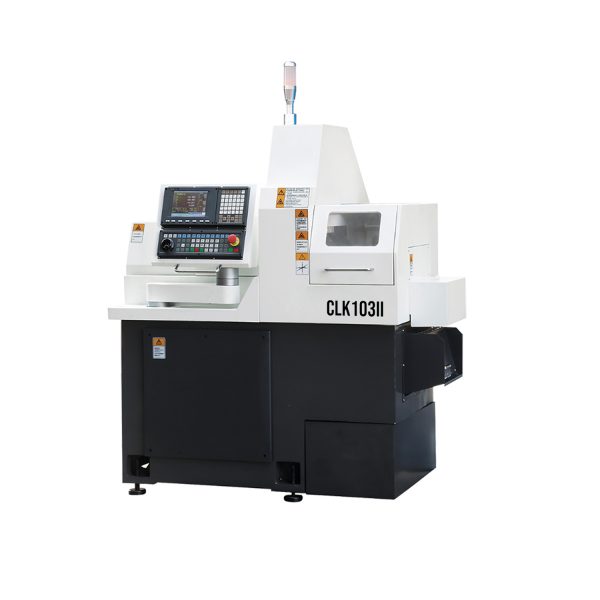
I’ll walk you through the trade-offs I see every week, explain where vendors and buyers miss the mark, and give practical ways to compare machines without getting lost in specs. Think of this as a short workshop: quick, practical, and focused on decisions you can act on. Next, we’ll peel back a layer and look at the flaws that hide behind neat spec sheets.
Part 2 — Hidden Flaws in Traditional Solutions
cnc center machine evaluations often stop at spindle speed and table travel, but those specs don’t show how a system behaves under load. I’ve seen high-speed spindles bog down because the spindle motor and power converters are undersized for real cuts. That mismatch causes chatter, scrap, and extra finishing work. In short: the numbers lied to us. Look, it’s simpler than you think — system balance matters more than peak rpm. (This is where many buyers get burned.)
Why do traditional fixes fail?
Traditional solutions try to patch symptoms. Shops add fixtures to speed setups, or they throw faster tool changers at the problem. But if the CNC controller can’t handle complex interpolation, or the servo drive is slow to respond, the gains vanish. That’s a core fault: people optimize one part—say, a tool changer—while ignoring the servo drive, spindle motor, and thermal control that govern real performance. I’ve audited lines where a tool changer upgrade produced zero net throughput gain — funny how that works, right?
Part 3 — Case Example and Future Outlook
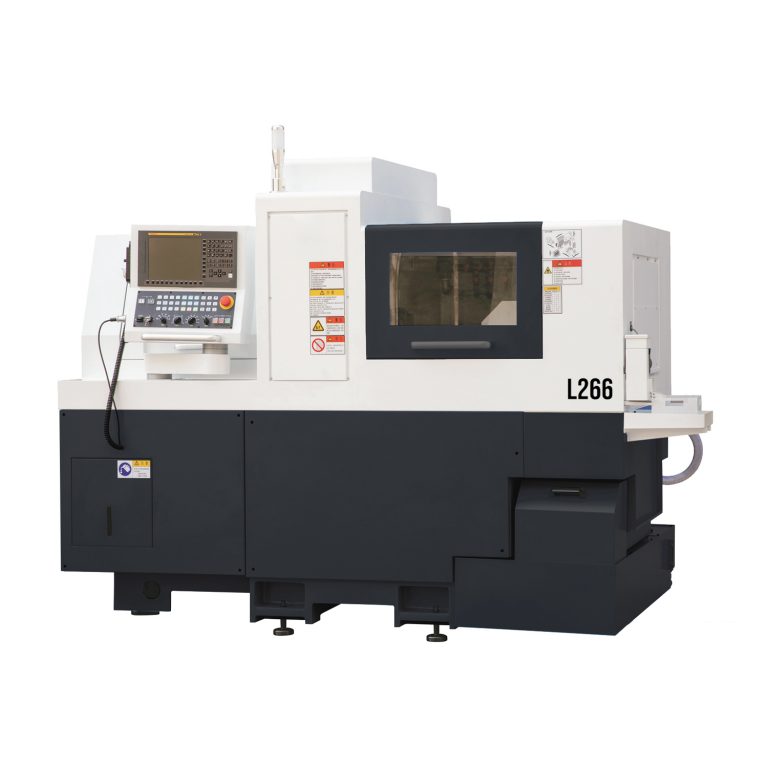
Let me paint a short case example. A mid-size shop we worked with replaced an aging 3-axis cell with a modern multi-axis line and a new cnc lathe machining center. They expected a 30% cycle reduction. Instead, because they ignored spindle cooling and axis backlash, real gains were closer to 10% for the first quarter. Once we addressed thermal drift and tuned the CNC controller, throughput improved steadily — and the ROI came into view. Honest improvements come from matching thermal management, spindle rigidity, and control firmware, not from headline specs alone.
What’s Next?
Looking forward, I expect manufacturers to bundle smarter condition monitoring and hybrid control logic into standard machines. That means better edge computing nodes on the controller, more resilient power converters, and cleaner integration of servo drives and feedback loops. For shops, the future will reward those who evaluate systems by long-run metrics — uptime, consistency, and predictable tolerances — rather than by single-run cycle times. — I’m optimistic about the direction, though adoption will take time.
To close, here are three practical metrics I recommend you use when comparing machines: 1) Mean time between tune-ups (how often it needs manual recalibration), 2) Effective cycle time under production feed rates (not the quoted best-case), and 3) Percentage of scrapped parts in the first 30 days of production. Use these to pressure-test vendor claims and to forecast real production. We’ve learned the hard way that specs don’t pay the bills — consistent performance does. For reliable partners and solid machines, I look to companies that back up their claims with field data and service plans — for example, Leichman.