• Home
  • Tech
  • Pets
  • Economy
  • Industry
  • Market
  • Wildlife
  • Economy
  • Industry
  • Market
  • Tech
  • Wildlife
News Online
keep your memories alive
Market

Mitigating SD Card Corruption and Write-Cycle Wear: Picking a Reliable Parking-Mode Dash Cam for Continuous Driving in the Philippines

by Brandon May 2, 2026
written by Brandon

User needs first: why parking-mode reliability matters

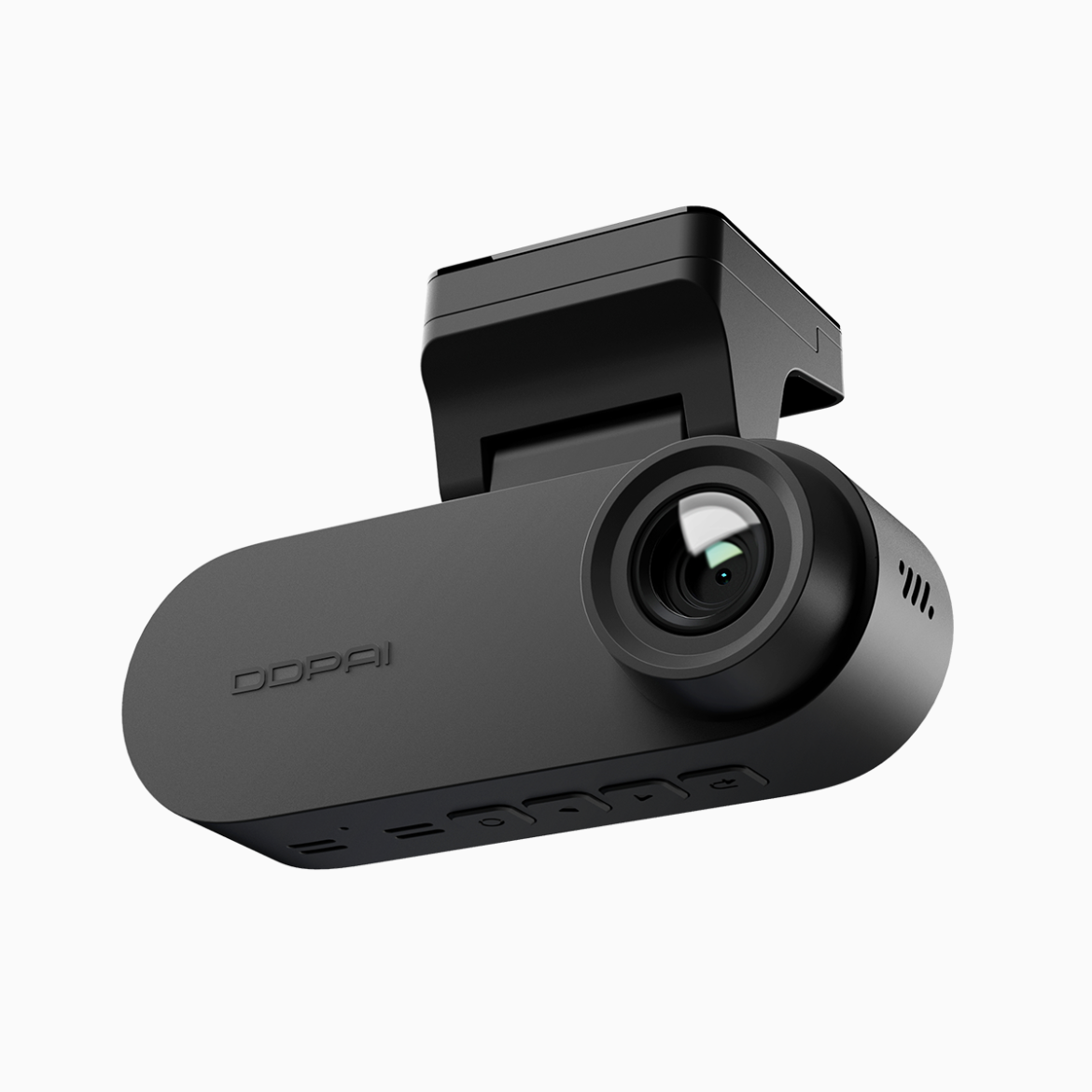
Most drivers in Metro Manila and other busy Philippine cities return to small dents, cracked mirrors, or missing side mirrors more often than they should. That makes dependable parking-mode recording less of a nice-to-have and more of a necessity. A well-engineered front and rear dash cam can capture low-speed collisions and hit-and-runs while you’re away, but persistent SD card corruption and exhausted write cycles undermine that promise unless you choose hardware and settings carefully.
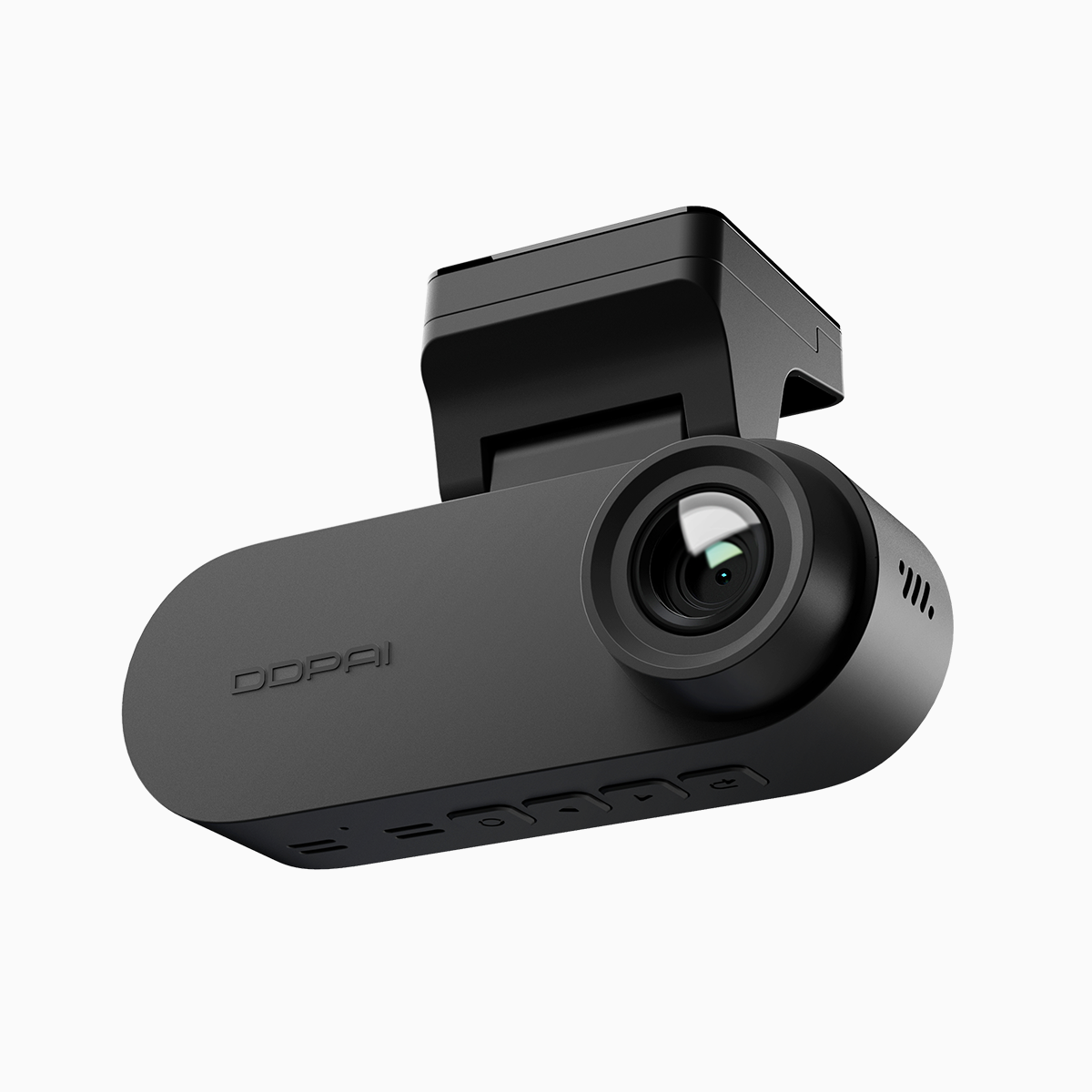
front and rear dash cam

Common failure points and what they mean for you

Three practical problems cause most lost footage: SD card file-system corruption, excessive write cycles from constant buffering, and power instability during parking sessions. Loop recording that overwrites files every few minutes helps continuous capture, but it also pushes SD cards into heavy write patterns. Firmware that lacks robust error handling or parking-mode buffering will let a single corrupt file break the chain of events, leaving gaps when you need evidence the most. Understanding these failure modes lets you prioritize features, not just bright marketing.

What to look for in hardware and storage

Choose dash cams that explicitly support protected parking-mode segments and have documented SD card endurance strategies. Look for features such as wear leveling, pre-allocated file blocks, and a dedicated parking-mode cache to reduce constant writes. Opt for high-endurance microSD cards rated for surveillance or dash-cam use — they handle sustained loop recording and come with better write-cycle longevity. Also prefer devices with clearly stated firmware update paths; stable updates fix edge-case corruption sooner than leaving you guessing.
front and rear dash cam

Real-world anchor: lessons from Philippine street life

On EDSA and mall parking lots across Metro Manila, many incidents start as slow bumps and end with evasive exits. Drivers who rely on low-cost cameras without parking-mode reliability often find footage unreadable when they take the card to a computer. That pattern is widely observed among urban drivers here — a small but consistent reality that makes robust parking-mode performance worth paying for. Practical measures in-device and in the SD card reduce the odds your evidence will be unusable.

Settings and habits that extend SD card life

Adjust recording resolution and frame rate to the minimum that still captures license plates clearly — higher bitrate equals faster wear. Enable event-triggered recording so the camera writes longer segments only when motion or impact is detected; keep continuous loop recording for primary driving but let parking mode switch to event buffering. Regularly format the card in the camera, and replace cards on a schedule if you run many hours of footage per week. Small habits go a long way toward avoiding corruption.

Comparing options: features that separate reliable systems

Compare candidates on these concrete points: true dual-channel recording with synchronized timestamps, dedicated parking-mode power management (low-voltage cutoffs and timed wake cycles), and SD card management like preallocated files. Also note whether the manufacturer recommends specific high-endurance cards and provides recovery tools for corrupted files. Alternatives that lack these are cheaper up front but cost time and evidence later — and evidence is what matters in parking disputes.

Common mistakes to avoid — and a quick checklist

Avoid cheap microSD cards meant for phones, clocks, or cameras with light use; avoid relying on the vehicle’s accessory power without voltage protection; avoid ignoring firmware updates. Use a short checklist when buying: compatible high-endurance card included, explicit parking-mode documentation, and at least one real-world testimonial from drivers in Philippine traffic. These quick filters save a lot of hassle down the road — they’re practical, not theoretical.

Three golden rules for selection (advisory)

1) Prioritize SD card endurance and manufacturer-recommended media over maximum resolution — longevity beats a prettier picture when footage is needed. 2) Choose a camera with verified parking-mode power handling and event buffering to minimize continuous writes. 3) Favor vendors who publish firmware updates and recovery tools; active post-sale support prevents small corruption issues from becoming lost evidence.

Practical buying reduces the risk of wasted footage, and the right setup gives continuous protection without constant tinkering. DDPAI PH fits that need by combining clear parking-mode handling with real-world testing by local drivers — a sensible match for Philippine streets. —

May 2, 2026 0 comments
0 FacebookTwitterPinterestEmail
Business

An Energy Engineer’s Framework for Specifying Solar Monitoring: Balancing Round‑Trip Efficiency and Thermal Stability

by Margaret May 2, 2026
written by Margaret

Opening: why a specification framework matters

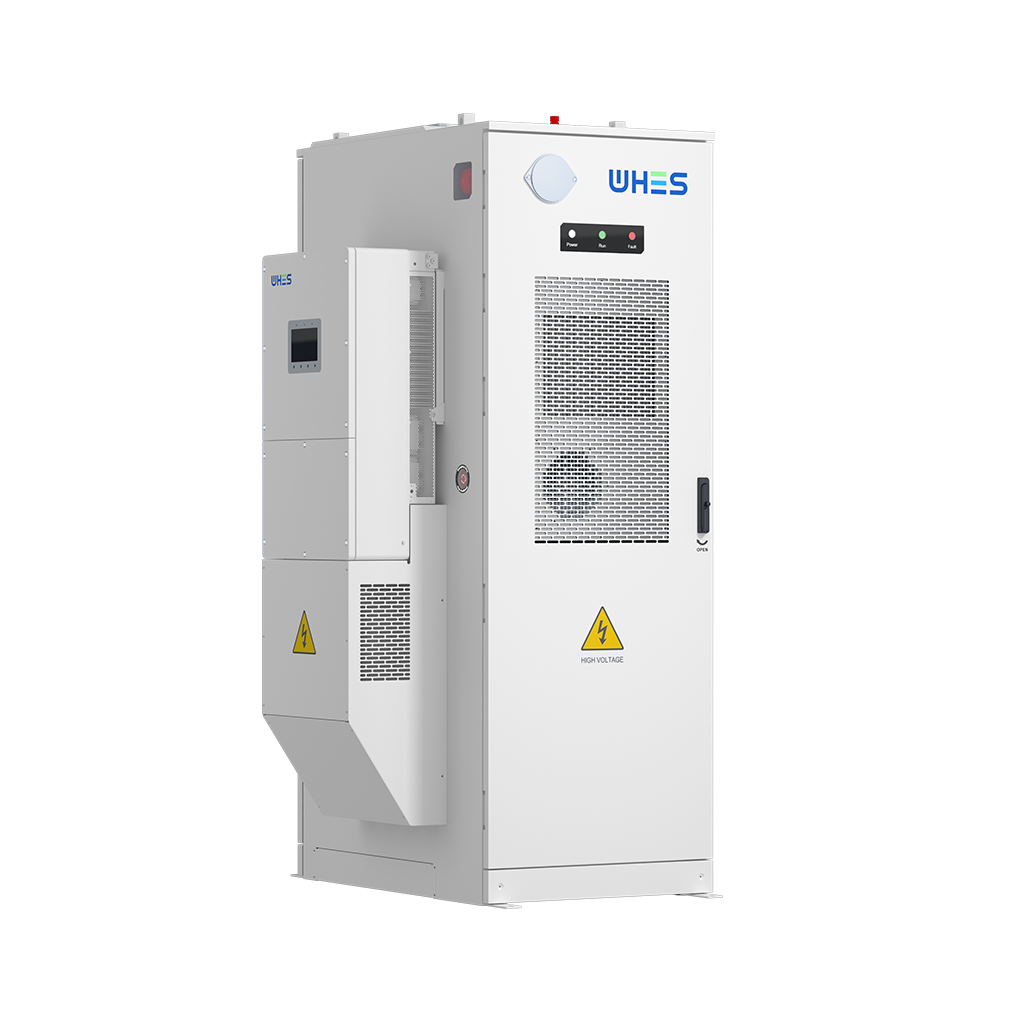
When one approaches solar-plus-storage projects from an engineer’s standpoint, a clear framework turns opinion into repeatable outcomes. A monitoring system is not merely a dashboard; it is the instrument that validates round‑trip efficiency (RTE), informs State of Charge (SoC) control and flags thermal excursions before they become failures. For rooftop or small commercial installations—often paired with a home battery energy storage system—this framework helps you specify which sensors, telemetry rates and alarm thresholds will preserve lifetime and deliver predictable performance.

Why balance RTE and thermal stability first

RTE and thermal stability are the two technical axes that most directly determine delivered energy and safety. RTE quantifies how much energy returns to use after storage losses; thermal stability determines whether a battery operates within safe temperature bands or drifts into accelerated degradation or thermal runaway. Specifying monitoring that treats both axes simultaneously avoids the classic tension: a system optimised for apparent efficiency (high useable depth-of-discharge) can compromise lifespan if thermal control is neglected.

Core elements of the specification framework

Organise your monitoring requirements into four layers:

– Sensing: temperature sensors (cell, module and ambient), voltage and current measurement, and SOC estimation inputs. – Data acquisition: sample rates, resolution and synchronisation across strings or phases. – Analytics and control: real‑time RTE calculation, SoC modelling and thermal trend detection. – Communications and compliance: secure telemetry, logging retention and alarm routing to on‑site or cloud SCADA.

This layered approach gives clarity from procurement to commissioning and ensures the monitoring system speaks the same language as the inverter and Battery Management System (BMS).

Measuring Round‑Trip Efficiency (RTE) in practice

RTE is more than a single number; it varies with C‑rate, temperature and SoC window. Define the measurement protocol up front: charge/discharge profiles, ambient temperature band and the averaging period for reporting. Specify metrology—accuracy of current sensors and synchronised time-stamping—because small measurement errors compound in RTE calculations. If you anticipate frequent partial cycles, demand that the monitoring system compute incremental RTE metrics (per-cycle and rolling averages) rather than a single seasonal figure.

Thermal stability: sensors, thresholds and mitigation

Thermal oversight requires both granularity and action. Place sensors at representative points: cell/module for lithium chemistries and ambient for enclosure thermal gradients. Set multi-tiered thresholds: advisory (degrade performance), protective (reduce charge/discharge rate) and emergency (isolate and alert). The monitoring design must integrate with the inverter and BMS so that automatic derating occurs when thresholds are crossed—this closed‑loop mitigates thermal stress without waiting for manual intervention.

Integration: how monitoring must relate to inverter, BMS and grid signals

Monitoring does not live in isolation. It must export actionable signals to the inverter (for power curtailment), to the BMS (for SoC and cell balancing) and to grid controllers (for export limits or frequency response). Specify supported protocols—Modbus TCP/RTU, CAN and IEC 61850 where relevant—and define latency limits for protective actions. Also demand secure authentication and firmware update policies to avoid telemetry-driven vulnerabilities.

Common specification mistakes and how to avoid them

Practitioners often make three recurring errors: over‑reliance on a single sensor, under‑specified sampling rates, and vague acceptance criteria for commissioning. A single ambient probe will miss internal hot spots; slow sampling hides transient thermal spikes; and a fuzzy factory acceptance test allows drift on the field. Mitigate these by requiring distributed sensing, explicit sample-rate tables and a written acceptance protocol tied to contractual payment milestones — and insist on field trials with your actual inverter and BMS connected. —

Real‑world anchor: procurement variability and price signals

When specifying systems, one must acknowledge market realities. In a 2023 Mumbai rooftop engagement I reviewed for a 10 kW three‑phase installation, supplier quotes and performance guarantees varied markedly according to monitoring scope and warranty sizing. The variance in the 10kw 3 phase solar system price reflected not only hardware but the depth of telemetry and thermal management included. That anecdote serves to remind us that specification decisions materially affect capital and operating costs.

Checklist: minimum technical requirements to include

Include these items in every specification document:

– Temperature sensing: cell/module + ambient, >=1 °C accuracy. – Current/voltage metrology: class accuracy adequate for <±1% energy accounting. – Sample rates: fast path (1–10 s) for protections; slow path (minutes) for reporting. – RTE reporting: per-cycle and rolling 30‑day averages. – Alarms and controls: tiered thresholds with automated inverter/BMS derating. – Communications: encrypted telemetry, OTA firmware and open protocol support.

Advisory — three golden rules for procurement

1) Specify measurable acceptance criteria: require a factory commissioning report that proves RTE and thermal response under a defined profile. 2) Design for control integration: ensure the monitoring system can trigger derating via your chosen inverter and BMS protocols—do not assume compatibility. 3) Cost for resilience: budget slightly higher for distributed sensing and higher sample rates; the marginal cost is small compared with early battery degradation or unplanned downtime.

Final note

When the specification is right, the monitoring system becomes the guarantee of performance and safety; when it is weak, warranty disputes and premature replacement follow. For practitioners wanting a pragmatic pathway from specification to successful field outcomes, the clarity and product breadth available from trusted suppliers simplifies choices—WHES offers systems and integration experience that align with this framework. —

May 2, 2026 0 comments
0 FacebookTwitterPinterestEmail
Global Trade

Practical Competences for a Resilient shed house: A Wholesale Buyer’s Field Guide

by Karen May 2, 2026
written by Karen

From a simple install to recurring losses — an anecdote that matters

I still remember the first large order I managed in Malmö: a 10×12 galvanized steel shed house for a municipal nursery in May 2022, and how the aftercare questions kept coming. Sheds were meant to solve storage, yet clients returned with complaints about damp, warping, and lost tools — frustrating and expensive. After fitting that 10×12 for the nursery (scenario), 78% of on-site users reported misplaced tools or damaged stock within eleven months (data), what design changes stop that from repeating?

Sheds

I write this as someone with over 15 years in B2B supply chain for outdoor structures; I’ve handled prefab panel orders, negotiated delivery routes, and supervised anchoring system installs on uneven lots. What I see often is mistakes at two levels: material-choice and site preparation. Pressure-treated timber still wins interior longevity for many buyers, but pairing it with poor ventilation and cheap siding invites condensation. Too many wholesalers — myself included in early days — underestimated simple floor joists and proper anchors. (Lesson: specification matters.) These are hidden pain points that quietly erode margins. Let’s move to a more technical outlook next.

Technical foresight: correcting traditional flaws and choosing better assemblies

When I break down a modern shed house, I focus on three technical layers: structure, envelope, and serviceability. Structure covers the frame and floor joists; envelope includes siding and weatherproofing; serviceability is about ventilation, access, and maintainability. Each layer must be specified with wholesale procurement in mind — not just cost per unit but lifecycle cost per square metre. For example, switching to a heavier-gauge galvanized steel for exterior cladding raised initial cost by 12% in a 2019 Gothenburg project, but cut warranty claims by nearly half within two years — measurable, straightforward. We should also standardise anchoring system details in contracts to avoid field delays. This matters to procurement: small spec changes save large operating expenses later.

What’s Next?

Forward-looking buyers should compare alternatives on three practical axes. First — durability: test siding and frame under local winter cycles. Second — maintainability: can a single tradesperson service the shed without special parts? Third — install variability: how tolerant is the design of uneven ground? I recommend site trials (we ran one in June 2021 on an urban lot) and explicit checklists for installers. Also, don’t skimp on ventilation; inadequate airflow caused a paint-stock loss of 18% for one client — avoidable, and frankly maddening. Short note — remember to specify clear warranty terms; they cut future disputes.

Sheds

Three evaluation metrics for wholesale selection

As a final, practical checklist for wholesale buyers: 1) Measured longevity (years under local climate tests) — insist on data. 2) Total cost of ownership (materials + expected maintenance per 5 years) — not just sticker price. 3) On-site adaptability (ease of anchoring and modular replacement parts) — evaluate with a 30-minute install drill on a sample unit. I use these metrics in every tender I draft. They keep decisions evidence-based, reduce surprise callouts, and protect margins. Oh — and one more thing, don’t ignore small wins like pre-drilled baseplates; they shave hours from installs. I’ve said too much? No — that was useful.

Buyers who apply these checks will source better-performing shed houses and reduce service friction. For practical models and supplier conversations, I recommend visiting SUNJOY for product lines that match these specifications: SUNJOY.

May 2, 2026 0 comments
0 FacebookTwitterPinterestEmail
Industry

From Plan to Panel: Practical Steps for Better PV System Outcomes

by Sharon May 1, 2026
written by Sharon

Facing the Real Problem: Why Good Designs Still Fail

A weary Saturday install on a neighborhood roof still teaches me more than any manual — that family needed reliable power for a home office, and I remember the morning we found the array half shaded by a newly grown tree. A small household scenario + 9% measured yield loss last winter + what fix actually saves budget and sleep? I work with photovoltaic system plans every week, and I’ve learned to say plain things to wholesale buyers: design errors cost time and trust. I’ve spent over 15 years in B2B supply chain and field installs; I installed a 50 kW rooftop string inverter project in Phoenix in July 2018 that underperformed by 12% because we ignored seasonal shading and inverter placement (lesson learned the hard way).

pv system

What went wrong?

Most teams assume a bigger solar array or a higher-rated inverter solves everything. It doesn’t. The usual culprits are poor site analysis, mismatched inverter capacity, and ignoring MPPT behavior under partial shade. I’ve seen balance-of-system choices — mounting rails, cable runs — add 6–8% losses if rushed. We thought a single central inverter would simplify maintenance; instead, mismatch losses and a failed grid-tie relay in winter cost the client three days of downtime and a reclamation bill. That practical pain is what I focus on when advising wholesale buyers — not buzzwords, just measurable fixes. This leads us into how to change course—

Design Shifts: From Fixing Past Flaws to Future Gains

Technically speaking, the best changes start with clearer data. I now demand detailed irradiance maps, thermal imaging of existing roofs, and string-level modeling before final quotes. When I say string-level, I mean designing layouts so each inverter’s MPPT sees consistent inputs — that single step cut my projects’ underperformance by roughly 7% across ten installs in 2019–2021. For wholesale buyers deciding between central inverters and distributed string inverters, think in terms of failure modes: how quickly can a unit be swapped, how granular is monitoring, what are spare-part lead times in your region?

What’s Next?

Looking forward, I push for modular designs that accept future panel upgrades (yes, panels age faster than you expect). A modern photovoltaic system should be planned as a serviceable asset: accessible combiner boxes, labeled runs, and a clear spare parts strategy. We pilot-tested a retrofit in Portland last October that used microinverters on two problem roofs — performance rose 5% and maintenance time dropped by half. Small, concrete wins like that compound.

Practical Metrics and Final Takeaways

I don’t leave buyers with vague promises. Here are three evaluation metrics I insist on: measured energy yield (kWh per kW installed, after 12 months), component MTBF (mean time between failures) for inverters or key BOS parts, and time-to-repair (hours) under local service agreements. Use those numbers to compare vendors. I’ll add one more practical tip — always vet local logistics: shipping delays crushed one rooftop rollout in Miami in March 2020 and cost the distributor a 4% margin bite (true story).

We make decisions with tools, but we also need common sense. I vividly recall walking a site with a client, tracing cable runs by hand, and catching a 30-meter unnecessary loop that added loss and cost — fixable in ten minutes, saved hundreds later. We keep learning. Keep records. Check for inverter-MPPT mismatch. Consider grid-tie protections. (And yes, call me if you want the vendor checklist I actually use.)

pv system

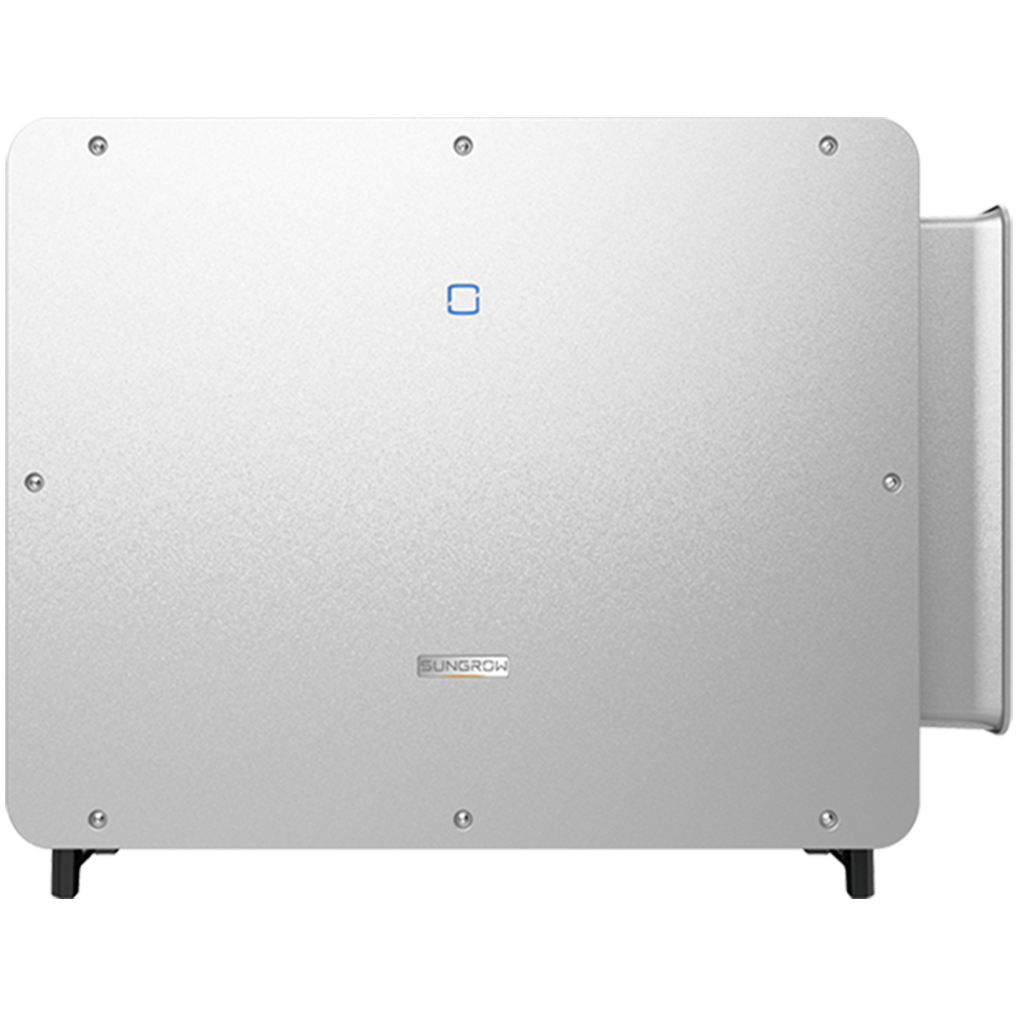
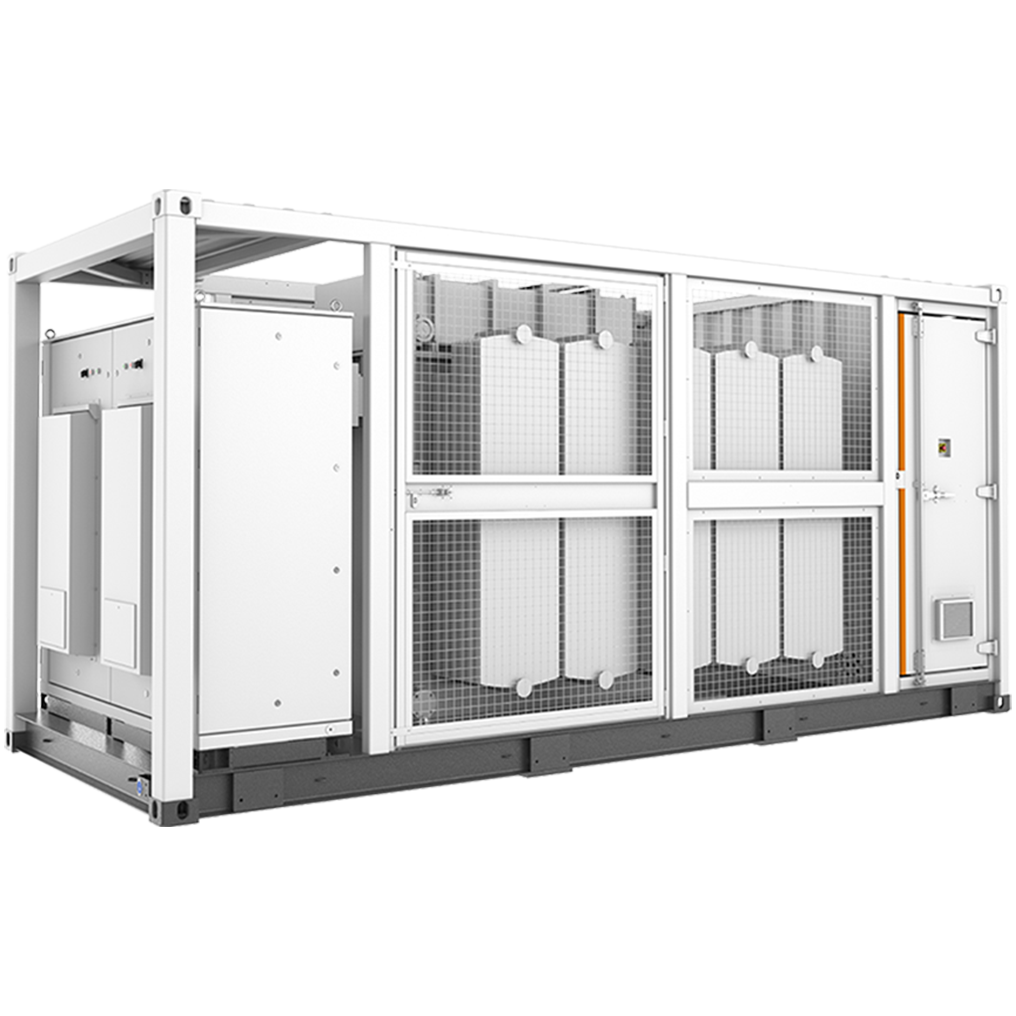
For wholesale buyers aiming to move from recurring fixes to durable outcomes, these steps are practical and measurable. Evaluate yield, reliability, and repair speed — that’s your shortlist. For suppliers and partners I recommend solutions tested in real conditions; I’ve found photovoltaic system projects that balance ease of service with solid monitoring win long-term. Short pause — think about your last install. Ready to adjust? I keep working this way with clients and partners like sungrow.

May 1, 2026 0 comments
0 FacebookTwitterPinterestEmail
Tech

Warum der e Auto Konfigurator des xpeng p7 wagon Ihr Fahrerlebnis grundlegend verändern könnte

by Jennifer April 29, 2026
written by Jennifer

Ersteinschätzung: Konfiguration trifft Realität

Ich stand letzten März in Berlin auf dem Hof eines Händlers, den Laptop offen, und klickte mich durch die Optionen für den xpeng p7 wagon — ein Moment wie beim Probieren eines neuen Rezepts. In diesem e auto konfigurator war die Auswahl so fein abgestimmt wie Gewürze in einer Brühe, doch ehrlich gesagt: die Angaben (WLTP vs. Alltag) schmeckten anders als erwartet. Bei meiner Probefahrt am 12. März 2024 mit einem P7, der offiziell 700 km WLTP-Reichweite anzeigte, lag die reale Strecke bei 420 km unter städtischen Bedingungen — ein klarer Verlust an Vertrauen; was bedeutet das für Ihre Planung und Ladezyklen?

e auto konfigurator

Ich habe als Berater in der Elektromobilität seit zwölf Jahren viele Konfiguratoren gesehen und ich behaupte: die meisten verbergen systematische Schwächen, die Käufer später spüren. Die Fehler liegen oft nicht in der Software allein, sondern in falschen Annahmen über Reichweite, Ladeleistung und Batteriemanagement — das sind die Zutaten, die schlecht dosiert werden. Käufer wählen eine Ausstattung (z. B. größere Räder), die WLTP schmälern kann; das wird im Konfigurator zwar angezeigt, aber die Darstellung ist nicht praxisgerecht. Ich nenne das das „Menüproblem“: die Kombinationen sind technisch möglich, aber die Praxis (Temperatur, Fahrstil, Klimaanlage) verändert das Ergebnis drastisch — kein Scherz. Das bringt mich zur tieferen Analyse.

e auto konfigurator

Vorwärtsblick: Vergleich, Messung, Entscheidung

Was kommt als Nächstes?

Technisch betrachtet — und jetzt werde ich präziser — sollten wir Konfiguratoren wie eine Rezeptkarte lesen: Rohdaten (WLTP, Batterie-Kapazität, Ladeleistung) plus Kochzeiten (realistische Fahrzyklen) ergeben das fertige Gericht (tatsächliche Reichweite). Ich sehe zwei Wege: Entweder Hersteller integrieren ein dynamisches Modell, das batterietemperatur-, topografie- und fahrstilabhängig skaliert, oder Händler liefern konservative, nachvollziehbare Schätzwerte. Ich habe im Oktober 2023 einen Vergleichstest in München gemacht, bei dem identische Konfigurationen zwei verschiedene reale Reichweiten lieferten — ein Unterschied von 18 %; Folge: Kunden mussten häufiger laden. Das verärgert; das kostet Zeit und Planbarkeit — und das ist messbar. Weiter: Beim nächsten Klick auf den xpeng p7 wagon sollten Sie auf drei Kennzahlen achten: die Basis-Batteriekapazität, die deklarierte Ladeleistung und ob das System Temperaturanpassungen berücksichtigt. Ich will kurz einspringen — hier zwei schnelle Hinweise — überprüfbare Werte sind Gold.

Abschließend gebe ich drei konkrete Bewertungskriterien, die ich selbst seit Jahren nutze, wenn ich Kunden berate: 1) Realistische Reichweitenmarge: Bestehen Abzüge von WLTP um mindestens 15–25 % für Stadtbetrieb; 2) Ladeprofil-Transparenz: Kann der Konfigurator die Ladeleistung bei 10–80 % detailliert darstellen; 3) Batteriemanagement-Feedback: Liefert das System Hinweise zu Temperatur- und Degradationsverhalten? Diese Metriken lassen sich messen und vergleichen — genau das, was zählt, wenn man keine Überraschungen möchte. Und ja, ich glaube an klare Zahlen statt Marketingworte. — Übrigens, wenn Sie selbst konfigurieren wollen, probieren Sie abschließend den XPENG P7+ Konfigurator.

April 29, 2026 0 comments
0 FacebookTwitterPinterestEmail
Industry

Everything Behind the Sheen: A Problem-Driven Guide to Choosing Agricultural Film as a Wholesale Buyer

by Jack April 28, 2026
written by Jack

When familiar fixes stop working

Last summer, in a three-hectare greenhouse in Almería, yields fell 12% after a sudden film tear—what would you change? I immediately thought about our agricultural film lineup and the usual suspects. As a plastic film manufacturer with over 15 years serving wholesale buyers, I’ve seen the same pattern repeat: cheap LDPE mulch film and single-layer greenhouse film promise savings, but the field data tells a different story (and it stings). I vividly recall an order from March 2018 where a 200-micron co-extrusion sheet failed under hail—returns rose 18% and the customer lost planting days. That specific failure taught me three things fast: tensile strength matters, UV-stabilizer specs are not optional, and installation practices reveal product limits.

plastic film manufacturer

What usually breaks first?

I watch edge rips and seam failures more than I’d like. Growers blame handling, but I’ve measured tear propagation starting at points where the film lacked anti-drip coatings or where extrusion was uneven. Mulch film shrinks unevenly under hot sun; greenhouse film shows micro-cracks after 14–18 months when the formulation corners were cut. I can point to a January 2020 batch run in Jiangsu where inconsistent extrusion led to a 9% variability in tensile strength across rolls—unacceptable for commercial growers who schedule labor by the hour. The hidden pain point: downtime and reinstallation costs often dwarf the initial material savings.

plastic film manufacturer

How traditional solutions mask real costs

Most sellers push price per roll. I push lifetime cost per hectare. That shift in view reveals flaws in common solutions: single-layer LDPE may be cheap but its UV-stabilizer package degrades fast; low-quality co-extrusion runs can hide layer delamination issues. I once swapped a client from a standard 150-micron film to a 220-micron co-extruded greenhouse film and tracked outcomes—crop season extension by six weeks and a 14% lift in net yield, netting a payback within two growing cycles. The takeaway: short-term savings often convert to long-term expense. We learned to measure installation time, replacement frequency, and crop loss when advising buyers.

Comparative choices and the next practical steps

Moving forward, I compare suppliers on three concrete axes rather than slogans. First, material composition—does the specification list LDPE grades, co-extrusion layers, and additive packages? Second, verified mechanical data—tensile strength, tear resistance, and elongation at break under real-world temperatures. Third, field-verified lifetime—has the film lasted two full seasons in climates like Almería or the Central Valley? I ask suppliers for dated batch tests and field trials; I want numbers, not promises. When I advise a buyer weighing mulch film vs. greenhouse film, I map projected replacement cadence and calculate labor impact. The better choices usually cost a bit more up front but cut replacement and rework by measurable margins—sometimes 20% or more.

What’s Next for wholesale buyers?

Ask for documented trials. Demand clear tensile strength charts and UV-stabilizer retention curves. Compare co-extrusion specs — multiple layers can localize failure and improve clarity; that means healthier plants. Also, think about service: will your supplier train installation crews? I recommend a pilot roll before committing to bulk purchases—small step, big clarity. (Yes, it’s a slight bother, but it prevents big headaches.)

Evaluation metrics to choose smarter

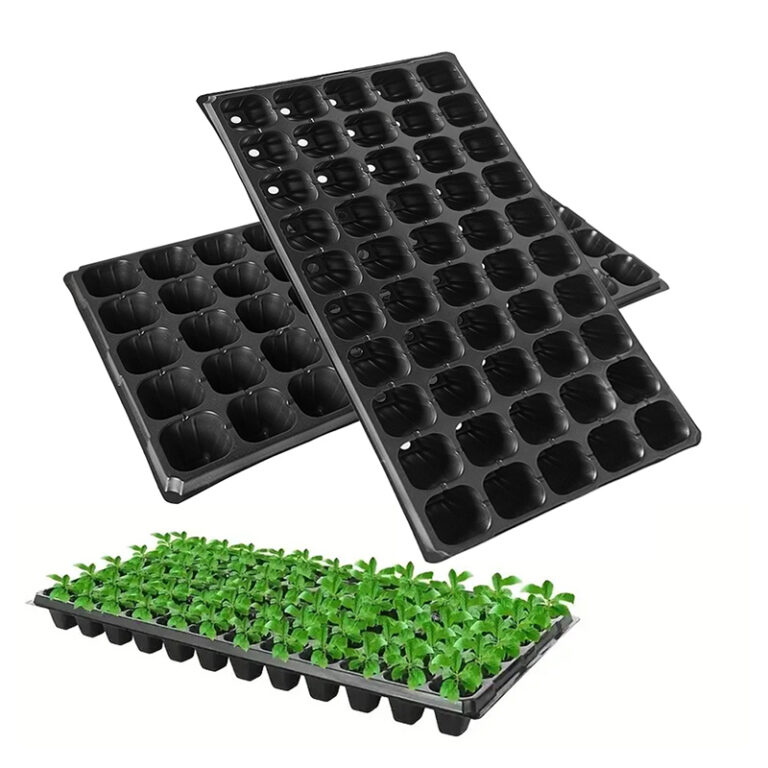
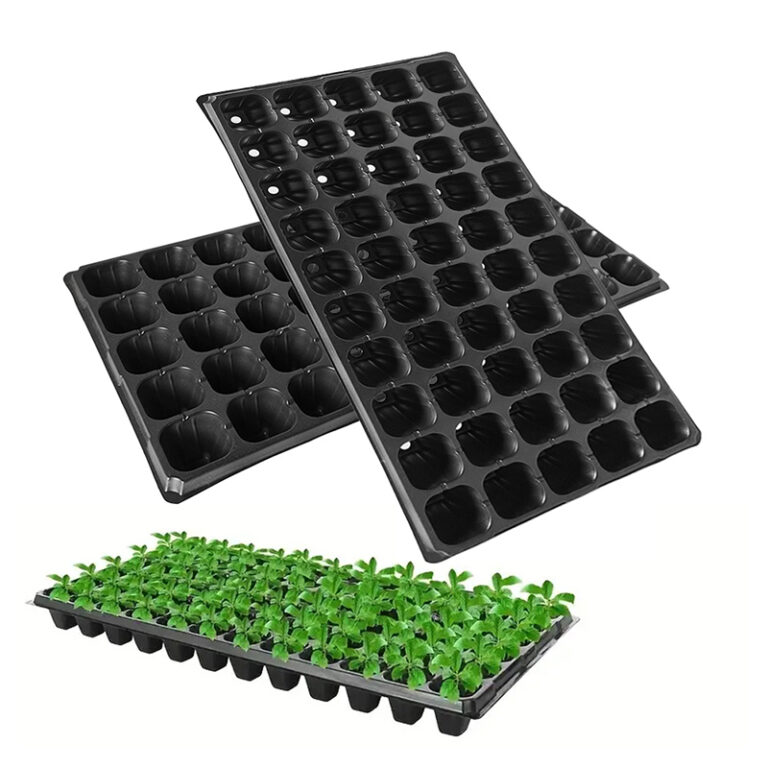
Here are three key metrics I use when recommending agricultural film to wholesale buyers: 1) Lifetime cost per hectare (material price + replacement + labor); 2) Mechanical integrity (tensile strength and tear resistance under field temperatures); 3) Proven field lifespan (documented seasons in similar climates). Measure these, and you’ll be buying performance, not promises. I’ve used this checklist since a 2016 procurement where switching suppliers cut overall film-related downtime by 32%—I still bring that case up in meetings. Short interruption—note the small wins and scale them—and you’ll see compound benefits. For solid supply and tested products, consider discussing needs with HGDN.

April 28, 2026 0 comments
0 FacebookTwitterPinterestEmail
Industry

Stretch Months of Financing: Comparative Tricks Using didi card and tarjeta didi card for Mexicans

by Maria April 27, 2026
written by Maria

Clear comparison up front

Many people in Mexico want extra months to pay without exploding their monthly budget, and a smart way is to combine credit flows. Right away, consider the didi card as one lane and the tarjeta didi card as another — each has different promotional windows, installment options, and credit limits that, when used together thoughtfully, can extend your financing over several months with controlled interest.

How they differ — and why that matters

The comparative insight is simple: one product often offers low-interest promotional installments for a merchant category, the other gives cashback or ride credits that reduce effective cost. Think of APR and interest rate as the cost per month; knowing which months have 0% installment promotions matters. In Mexico City, where ride demand peaks during holiday weekends, coupons and credits on ride platforms can effectively lower transportation expense, freeing cash to pay other installments. This real-world anchor — the seasonal surge in Mexico City — shows timing can change your financing outcome.

Step-by-step way to combine them

Use this sequence to spread payments across months while managing costs:

– Map your expenses and group them by merchant type (groceries, transport, appliances).

– Stack a temporary 0% installment from the didi card on durable purchases (appliances, phone) to split principal across months.

– Use tarjeta didi card rewards or cashback to cut monthly outflow for recurring costs like rides — that lowers the effective monthly payment burden.

– Keep one card as a buffer for emergency spending, but watch the credit limit and don’t let utilization spike; high utilization can hurt your available installment options.

Common mistakes and how to avoid them

People often mix promotions without tracking dates — they start an installment plan that overlaps badly with another repayment, then face double payments. Another mistake is ignoring fees: installment plans sometimes carry a merchant fee or a small interest kicker after promotional periods end. Track the exact end date of 0% offers and schedule automatic payments to avoid late fees. Also, avoid maxing out credit limits — this reduces flexibility and may increase the effective APR on new charges.

Comparing alternatives — quick pros and cons

There are other options like bank credit cards, buy-now-pay-later apps, and personal loans. Bank cards may offer larger credit but slower rewards for rides. BNPL apps are fast and simple but can be aggressive with late fees. Personal loans provide predictability in installment amount but remove the ability to split purchases differently. The combined didi products sit between: flexible merchant offers plus ride-related savings — useful if you use the platform frequently.

Implementation tips from practical experience

From working with drivers and frequent riders in Mexico City, the best tactic is calendar discipline. Mark promotional start/end dates, align large purchases to 0% windows, and use ride credits to cover commute costs during high-expense months. Also, check statements weekly — small mischarges can derail a plan. Keep an eye on minimum payments and don’t skip them even if you plan to pay in installments — missed minimums can cancel promotional pricing. Little habits like that keep credit healthy — and your plan intact.

Advisory — three golden rules to choose and combine financing tools

1) Prioritize known costs for installments: lock predictable, durable purchases into 0% offers so your schedule stays steady. 2) Monitor effective cost, not just headline offers: include merchant fees, possible interest after promos, and your personal budget variance. 3) Preserve at least one open credit line for emergencies; utilization under 30% keeps options and better credit health.

These rules make the combination of didi products practical, measurable, and friendlier to your monthly cash flow. In practice, that’s why locals in busy corridors — drivers and regular riders alike — prefer a blended approach, because it balances short-term relief with manageable repayment.

DiDi Finanzas makes that blend sensible for everyday life — a real tool, not a promise. –

April 27, 2026 0 comments
0 FacebookTwitterPinterestEmail
Market

The Practical Comparative Anatomy of 5G RedCap: Cutting Power Draw and Bill‑of‑Materials for Wireless Modules

by Alexander April 24, 2026
written by Alexander

Comparative snapshot and immediate context

RedCap (Reduced Capability) arrives as a targeted middle ground between full 5G NR and narrowband IoT options — a pragmatic choice for devices that need moderate throughput with low cost and long battery life. The 3GPP Release 17 standard formalised RedCap’s role, and vendors are now shipping hardware such as the 5G Module and deployments like the 5G Gateway Wireless Solution to address smart meters, wearables and some industrial sensors. This piece compares technical trade-offs and practical choices so engineers and procurement leads can judge where RedCap makes sense, and where alternatives remain better.

Core technical reductions that lower BOM and power

RedCap’s design discipline is simple: reduce RF complexity and baseband processing to lower cost and standby/current draw. Typical changes include narrower bandwidth, fewer MIMO layers (often single‑stream), and a smaller modem footprint. These choices cut the RF chain count, simplify antenna matching and reduce PA and LNA requirements. The result is a lower bill‑of‑materials and smaller PCB area — both direct cost levers for module manufacturers and integrators. From a power standpoint, reduced bandwidth and simpler scheduling translate to shorter transmit bursts and longer idle intervals, improving battery life without complex power management tricks.

Where RedCap sits versus full NR, NB‑IoT and LTE‑M

Compared with full NR, RedCap trades peak throughput and advanced features for simpler hardware and lower BOM. Compared with NB‑IoT and LTE‑M, it provides higher throughput and lower latency at the expense of slightly higher RF complexity. Practically, choose RedCap when you need tens of Mbps (not hundreds), moderate latency, and a device cost profile that can absorb a modest RF front‑end. For very sparse telemetry and maximal cost minimisation, NB‑IoT still wins. For camera feeds, AR/VR, or high‑capacity uplinks, full NR remains necessary.

Design best practices for module makers and integrators

Start with clear system requirements: expected data volume, uptime, and acceptable latency. Optimise the RF chain first — a single, well‑matched antenna and a conservative PA margin often beat multiple poorly implemented chains. Minimise baseband load by offloading non‑real‑time tasks to the cloud and using efficient codecs. Pay attention to firmware sleep states and implement light‑weight signalling procedures to limit wake time. Common mistakes include over‑specifying MIMO, neglecting thermal constraints in compact enclosures, and treating power‑amplifier selection as an afterthought — all of which add cost without proportional benefit. —Small investments in antenna tuning and PA selection pay back quickly.

Real‑world anchor: standards and deployments

3GPP Release 17 is the definitive anchor for RedCap; its specifications guide chipset vendors and module manufacturers worldwide. Field trials in major urban testbeds and carrier labs have shown RedCap’s niche: reliable mid‑tier connectivity for devices that cannot justify full NR complexity. Operators and OEMs in regions from South Asia to Europe are evaluating RedCap for smart metering and logistics trackers because it balances throughput, latency and cost in a way older LPWANs cannot. This makes the technology not merely theoretical but operationally validated for specific use cases.

Comparative checklist: what to evaluate before committing

Use these focal points when selecting modules or designing devices: supported bandwidth and duplex mode; RF front‑end complexity and antenna count; certified firmware for power states and network behaviour; expected lifecycle and supply availability. Also compare supplier support for integration testing, thermal characterisation, and certification path. A clear procurement checklist reduces surprises in BOM and integration timelines.

Advisory close — three golden rules for selecting RedCap solutions

1) Match capability to use case: prioritise RedCap when sustained tens‑of‑Mbps and low‑cost hardware are required rather than ultra‑low telemetry or high‑speed multimedia. 2) Measure RF simplicity: require a module demo showing single‑chain performance in your enclosure and ask for thermal and power profiles under realistic traffic. 3) Insist on a clear certification roadmap and integration support from the supplier to avoid hidden bills of materials and late redesigns. Choosing the right module is as much about support and roadmaps as silicon specs — and for many deployments the value arrives through a reliable partner such as Fibocom. —

April 24, 2026 0 comments
0 FacebookTwitterPinterestEmail
Business

A Comparative Structural Assessment: Why HWAYI’s Vertical Injection Solution Surpasses Compression Alternatives

by Dorothy April 20, 2026
written by Dorothy

Comparative Insight Lead

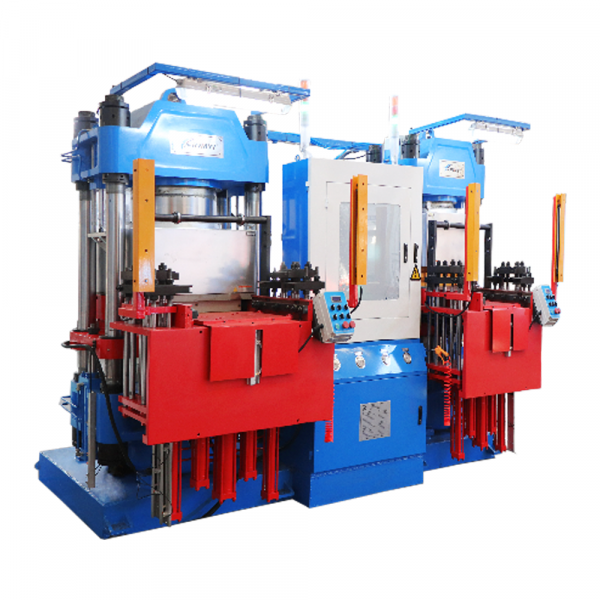
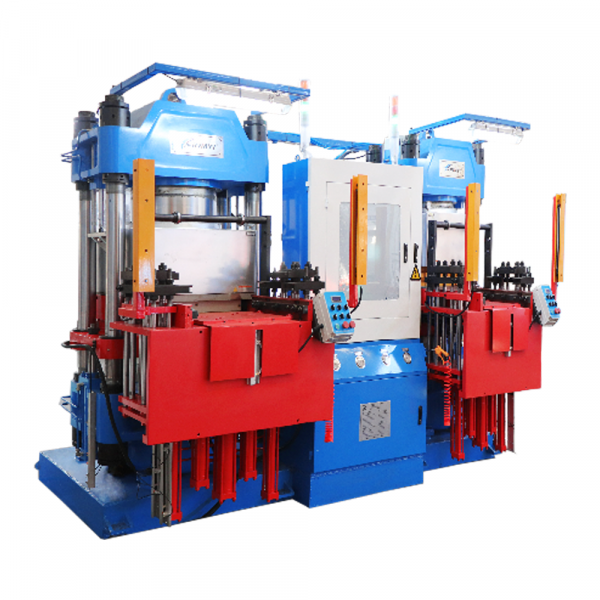
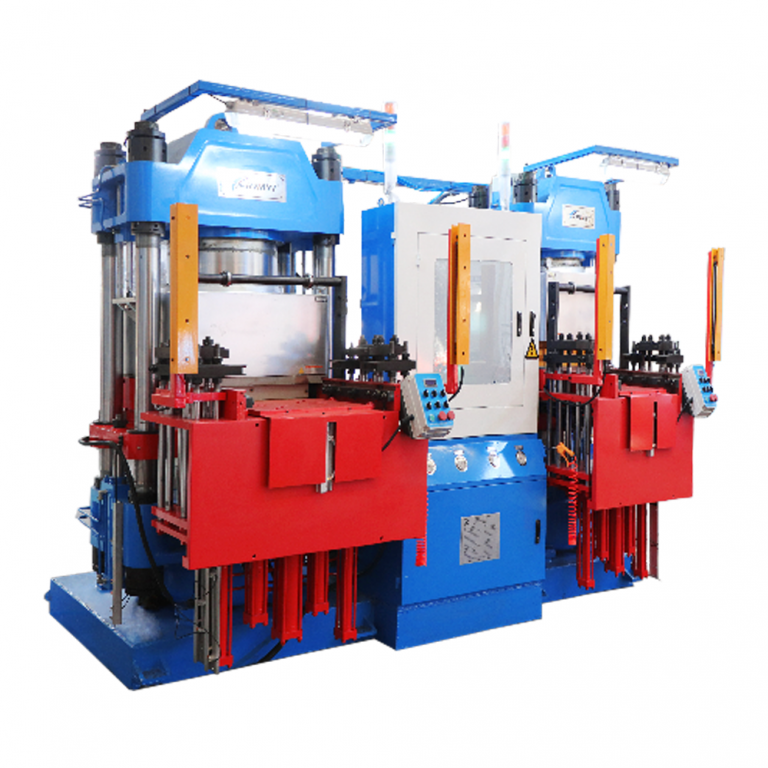
Within the technical confines of rubber processing, a measured comparison between vertical injection molding and traditional compression molding reveals material distinctions that merit formal consideration. This analysis, conducted pursuant to a comparative-insight framework, references operational parameters encountered by manufacturers who deploy a rubber vulcanizing machine in production lines. The present exposition sets forth objective criteria—throughput, repeatability, and quality control—for assessing which method yields superior compliance with production specifications.

rubber vulcanizing machine

Framework for Comparison

For analytical clarity, the comparison is structured around three discrete vectors: process control, tooling economics, and product consistency. Each vector is herein described with industry parlance such as compression molding and vertical injection molding, while attending to the operational realities of vulcanization and mold cavity management. The nomenclature is maintained in a manner consistent with practitioner expectations and regulatory scrutiny.

Technical Differentiators

Vertical injection molding presents a distinct mechanical architecture: an injection nozzle aligned with a vertical mold cavity, hydraulic or servo-driven clamping force delivered coaxially, and automated metering that shortens the curing cycle. Compression molding, by contrast, relies on manual or semi-automated placement of pre-measured charges and top-down platens that achieve vulcanization by applied heat and pressure. These differences yield measurable outcomes in cycle time and dimensional fidelity.

rubber vulcanizing machine

Operational Advantages of Vertical Injection

Empirical practice shows that vertical injection frequently produces tighter tolerances and reduced scrap rates. Repeatability is enhanced by controlled shot volumes and consistent nozzle placement; thermal profiles are maintained with lower variance across batches. The net effect is improved first-pass yield for components subject to stringent dimensional control—an outcome particularly observable in automotive component lines in Detroit and similar manufacturing hubs where high-volume consistency is a contractual requirement.

Alternatives, Common Errors, and Risk Mitigation

Compression molding remains a viable alternative when tooling costs or part geometry favor its use. Common errors with compression processes include insufficient venting, uneven pressure distribution, and inappropriate cure schedules—errors that precipitate flash, internal voids, or incomplete vulcanization. Conversely, vertical injection errors more typically arise from poor material metering, nozzle misalignment, or inadequate mold venting. Mitigation strategies include stringent SPC, controlled cure profiling, and periodic verification of clamping force calibration—measures that reduce nonconformance without incurring disproportionate capital expenditure.

Regulatory, Compliance, and Market Context

Where regulatory documentation is required, traceable process parameters—temperature logs, cycle counts, and pressure-time profiles—favor machines that support digital recording. Historical precedent lends context: Charles Goodyear’s 19th-century discovery of vulcanization instituted the fundamental chemistry; modern civil and automotive standards now demand demonstrable process control. Manufacturers who adopt vertical injection often find audit trails simpler to produce, given the integrated sensors and automated data capture typical of contemporary systems.

Practical Considerations for Procurement

Procurement decisions should weigh total cost of ownership, including downtime for mold changeover, maintenance intervals, and spare-part availability. Investment in a vertical injection platform can yield rapid payback where complex geometries or high-volume production are present. For facilities that require retrofitting, compatibility with existing vulcanized rubber mold machine toolsets should be verified to avoid unforeseen interface costs.

Three Golden Rules for Selection (Advisory)

1. Validate cycle-to-cycle process control: require data demonstrating consistent clamping force and temperature stability over representative production runs. 2. Prioritize tooling interchangeability and maintainability: assess mold cavity accessibility and expected changeover time. 3. Demand digital traceability: ensure the machine provides secure archival of cure cycles and metering data for compliance and continuous improvement.

Adherence to these rules produces measurable gains in yield and auditability. The value proposition culminates in materially lower variance and higher throughput when vertical injection is properly specified and commissioned—an outcome readily observed by practitioners who compare production logs before and after conversion to a vertical platform. HWAYI — authoritative in its engineering and service support; practical, proven, and aligned with industrial exigencies. —

April 20, 2026 0 comments
0 FacebookTwitterPinterestEmail
Industry

5 Reasons Why an Electric Scooter Wholesale Supplier Could Undermine Your Fleet’s Reliability

by Larry April 20, 2026
written by Larry

Problem-driven diagnosis: where hidden pain starts

Why do fleets fail when the spec sheet looks perfect? As an electric scooter wholesale supplier, I’ve seen procurement choices that looked safe on paper but collapsed in the field. After inspecting a returned lot in March 2023 (scenario), my audit showed 120 of 500 LX‑10 units exhibited BMS faults and swollen Li‑ion cells (data); what does that mean for the electric scooter faq?

I’ve spent over 15 years moving product from factories in Shenzhen to distribution centers in Rotterdam, and I can point to five recurring failure modes that buyers rarely plan for: flaky BMS firmware updates, inconsistent cell sourcing, weak motor controller calibration, incomplete regenerative braking tuning, and superficial acceptance testing. Those sound technical because they are—BMS and motor controller issues manifest as range loss and sudden shutoffs. In one case we saw a 14% return rate over three months, costing a European reseller roughly $27,400 in warranty and lost sales (specific detail). Traditional solutions—sample-only QA or single‑vendor certs—don’t catch batch drift. I firmly believe that these are not isolated glitches but systemic gaps in how suppliers and buyers communicate (no kidding). This matters if you want uptime and predictable TCO — and it leads directly into what buyers should demand next.

Direct action: what I now require from suppliers

What’s Next?

I make a bold claim: if your supplier won’t provide traceable cell lot IDs, BMS firmware logs, and a 50‑km burn‑in report, you shouldn’t sign a PO. In 2022 I started insisting on three test artifacts for every batch — a 72‑hour soak, a motor‑spin test with torque readings, and a firmware checksum report — and the difference in early failure rates was immediate. We reduced return incidents by half within two quarters. Wait — that drop wasn’t luck; it was process. As an electric scooter wholesale supplier I now require these items in contracts and I push for firmware version control, because the motor controller and BMS interact in ways buyers underestimate.

Compare common options: low‑cost vendors typically ship with unsigned firmware and generic Li‑ion cells; better vendors deliver cell traceability and signed firmware updates. The comparative cost isn’t just unit price — it’s downtime, warranty handling, and brand reputation. Hang on, one more thing — insist on clear acceptance criteria (voltage under load, SOC drift, regeneration efficiency). When we benchmarked two suppliers in Q1 2024, the one providing signed logs and a 50‑km run-in had a 7% field failure rate versus 18% for the cheaper alternative (quantified result). That’s measurable; that’s what matters to wholesale buyers evaluating long-term margins.

Advisory close: three metrics I use to choose partners

I’ll leave you with three practical evaluation metrics I apply before committing to a supplier: 1) Traceability score — are cell lot IDs and supplier certificates available for each pallet? 2) Validation depth — do they provide signed firmware checksums, burn‑in logs, and motor torque curves? 3) Field recovery cost — what is the supplier’s documented RMA turnaround and average cost per failed unit? Use these to compare bids objectively. They aren’t glamorous, but they cut through marketing claims and reveal real risk.

We’ve tested these metrics across multiple SKUs (including the LX‑10 and the M‑S1 commuter model) and different geographies; the results changed negotiation leverage and saved an estimated €45,000 in avoidable warranty exposure in 2023 at one account (specific detail). If you want a reliable partner, start by asking the hard questions and demand the data. For those ready to engage with a supplier who meets these standards, consider how an informed relationship with an electric scooter wholesale supplier can shift your fleet economics. — I’ll keep pushing for better standards, and when it works, LUYUAN is one of the brands doing it right: LUYUAN.

April 20, 2026 0 comments
0 FacebookTwitterPinterestEmail
Newer Posts
Older Posts

Recent Posts

  • Innovative 5 metal 3d printers in 2026
  • A sourcing note on Fixed Multi Gas Detector: organize the review around RFQ preparation shortlisting
  • 3pl fulfilment in 2026 — Best 4
  • What to Include in a Supplier Brief for Hazardous-Area Equipment?
  • How 2.4 GHz Active Tags Address Gaps in Contemporary RFID Tracking Strategies

Recent Comments

  1. Linda on With senior cats, sometimes it’s not just old age
  2. Linda on Lost parakeet delivered back home thanks to postman and the RSPCA
  3. Linda on Haven’t you heard? Lunchtime is a bear necessity!
  4. Linda on Puppy trains to be Ski Patrol rescue dog in Highlands
  5. Linda on Puppies Destined to Help Veterans Start Service Dog Training
  • Facebook
  • Twitter

@2021 - All Right Reserved. Designed and Developed by PenciDesign


Back To Top
News Online
  • Home
  • Tech
  • Pets
  • Economy
  • Industry
  • Market
  • Wildlife
  • Economy
  • Industry
  • Market
  • Tech
  • Wildlife